“βCD”, “cyclodextrin”, “host–guest”, “materials”, “sensing”, “environment”, “nanomedicine”]
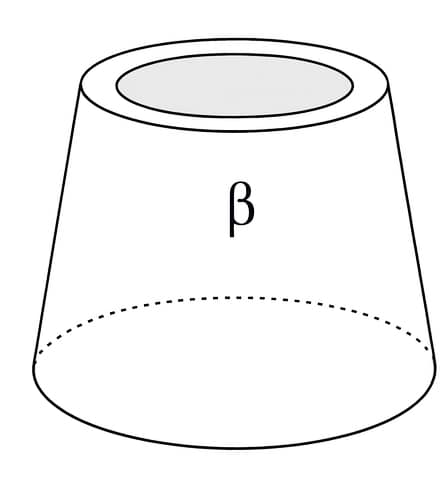
β-シクロデキストリン(βCD)は、リング状の分子で、“分子を内側に取り込む(包接する)”性質を持ちます。
この「分子をつかまえる」特性が、汚れ(色素)を吸着して除去する材料、薬を狙った場所へ届ける材料設計、薬を高感度に測るセンサーなど、多分野での応用につながっています。
このページでは、3本の論文だけに基づいて、一般の方にもわかる言葉で要点をまとめます。
論文ハイライト(3本)
1) βCDを組み込んだ“磁石で回収できる吸着材”で、色素汚染(+重金属)に対応
何をした?
層状複水酸化物(LDH)に、イタコン酸(IA)とβCDからなる共重合体(PCA)を層間に取り込ませ、さらに磁性粒子(Fe₃O₄)を組み合わせた吸着材 Fe₃O₄@LDHs/PCA を作製。
水中の代表的な色素(Congo red、methylene blue)を高容量で吸着し、条件最適化(応答曲面法)や実水試験、再利用、カラム試験も実施しています。さらに、色素+金属イオンが混在する系でも処理可能性を検討しています。
ここがポイント(かみくだき)
– βCD由来の官能基を持つ層間構造が、色素分子と相互作用しやすい
– 磁性があるので、処理後に「磁石で集めて回収」できる方向性
– 実際の水(実水)や混合汚染へ踏み込んでいる点が実装に近い
文献
Li, KR, Luo, H, Wu, J, Ouyang, DH, Tang, JL. Preparation of novel magnetic hydrotalcite-based adsorbents and their synergistic adsorption of dye molecules and heavy metal ions: Response surface methodology analysis and adsorption mechanisms investigation. Colloids and Surfaces A: Physicochemical and Engineering Aspects (2026), 728, Article 138519 DOI: 10.1016/j.colsurfa.2025.138519
2) 動脈硬化治療で注目される「二重ターゲット型ナノ粒子」を整理したレビュー
何をした?
動脈硬化に対して、薬を病変(プラーク)へ効率よく届けるためのターゲティング型ナノ粒子研究を、病態・設計思想から整理。
特に、ターゲットを1つに絞る“単一ターゲット”の限界を踏まえ、複数のターゲット機構を組み合わせる「デュアルターゲット(dual-targeting)」の考え方を、分類と原理に分けて解説しています。刺激応答(stimulus-responsive)や生体模倣(nanobiomimetic)も含めて俯瞰します。
ここがポイント(かみくだき)
– 「どこに」「どうやって」薬を届けるかを、2段階・多段階で設計する発想
– 研究分野全体の“地図”として役立つ(どんな設計があり、何が課題か)
– βCDは薬物搭載や機能付与の材料候補として議論されることが多く、本レビューのキーワードにも含まれています(本文は総説として設計論を中心に整理)
文献
Yang, C, Mo, LQ, Zhang, GZ, Dai, YX, Li, BX, Tan, ZH, Guo, YJ, Lu, S, Hong, Y, He, HL, Yang, H, He, JH. Advancements in dual-targeting nanoparticle strategies for enhanced atherosclerosis therapy: Overcoming limitations of single-targeting approaches. Bioactive Materials (2026), 55, 302–333 DOI: 10.1016/j.bioactmat.2025.09.023
3) 2HP-βCD×磁性ナノ粒子で、抗パーキンソン薬を測る“持続可能な電極センサー”
何をした?
memantine(MEM)と pramipexole(PDM)を、製剤やヒト血漿中で迅速・高感度に測定するため、2-hydroxypropyl-β-cyclodextrin(2HP-βCD)で機能化した磁性酸化鉄ナノ粒子(約5 nm)を電極内部溶液へ導入したポテンショメトリック(電位差)センサーを提案。
IUPAC基準に沿って評価し、検量線の直線性、長期安定性、妨害物質やpHなどの条件最適化も行っています。さらに「白い化学(white chemistry)」の観点で総合的な持続可能性にも言及しています。
ここがポイント(かみくだき)
– βCD(誘導体)で“分子を捕まえる”性質を使い、センサー応答の選択性・感度を底上げ
– 血漿など実サンプルを意識した評価
– 性能だけでなく、環境・コスト面の指標も見ている
文献
Helmy, MI, Obaydo, RH, Nashed, D, Nessim, CK. A novel turn-off functionalized potentiometric probe for antiparkinsonian drugs: advancing sustainability and white chemistry. Green Chemistry Letters and Reviews (2026), 19(1), Article 2607208 DOI: 10.1080/17518253.2025.2607208
3本から見える共通メッセージ
- βCDの強み=分子を包み込み、相互作用を設計できること
- その結果、
- 「汚れを取る(吸着)」
- 「薬を運ぶ(DDS設計)」
- 「薬を測る(分析・センサー)」
といった“入口の違う課題”に同じ分子設計の考え方でアプローチできる
用語ミニ解説
- βCD(β-シクロデキストリン):リング状分子。内側に分子を取り込みやすい(包接)。
- LDH(層状複水酸化物):層状構造を持つ材料。層間に分子を取り込める。
- デュアルターゲット:標的を1つに絞らず、複数の“狙い”を組み合わせて到達精度を上げる発想。
- ポテンショメトリックセンサー:電位差(電圧)の変化から濃度を読む方法。
English (for website)
Take-home message: βCD is a “molecular catcher” enabling solutions from water cleanup to nanomedicine and sensing
β-Cyclodextrin (βCD) is a ring-shaped molecule well known for hosting (including) guest molecules.
This “molecular catching” capability supports diverse applications—adsorbents for pollutant removal, nanoparticle design for targeted drug delivery, and electrochemical sensing.
Below, we summarize only the three papers included in the attached file (βCD_Frontier.txt) in plain language.
Paper highlights (3 papers)
1) A magnetically recoverable βCD-containing adsorbent for dye wastewater (and mixed contaminants)
What did they do?
The authors prepared a magnetic layered double hydroxide (LDH)-based adsorbent, Fe₃O₄@LDHs/PCA, where a copolymer (PCA) made from itaconic acid (IA) and βCD was intercalated into LDH interlayers.
They studied adsorption of typical dyes (Congo red and methylene blue), optimized conditions (response surface methodology), and tested real-water samples, reusability, and column performance. Mixed systems involving dyes plus metal ions were also explored.
Why it matters (plain words)
– βCD-derived functional groups and interlayer structure help capture dye molecules
– Magnetic recovery points toward easier separation after treatment
– Practical tests (real water, mixed systems, columns) move closer to implementation
Reference
Li, KR, Luo, H, Wu, J, Ouyang, DH, Tang, JL. Preparation of novel magnetic hydrotalcite-based adsorbents and their synergistic adsorption of dye molecules and heavy metal ions: Response surface methodology analysis and adsorption mechanisms investigation. Colloids and Surfaces A: Physicochemical and Engineering Aspects (2026), 728, Article 138519 DOI: 10.1016/j.colsurfa.2025.138519
2) A review mapping the field of dual-targeting nanoparticles for atherosclerosis therapy
What did they do?
This review summarizes how targeted nanoformulations have been designed for atherosclerosis, and why single-targeting often falls short.
It introduces the principles and classification of dual-targeting nanoparticles, including designs combining targeting ligands with stimulus-responsive functions or nanobiomimetic techniques.
Why it matters (plain words)
– Dual-targeting is a “multi-step navigation” idea for getting drugs to plaques more precisely
– The paper serves as a field map: what strategies exist and where the bottlenecks are
– βCD appears among the review’s keywords, reflecting its relevance as a functional material option in nanoformulation design
Reference
Yang, C, Mo, LQ, Zhang, GZ, Dai, YX, Li, BX, Tan, ZH, Guo, YJ, Lu, S, Hong, Y, He, HL, Yang, H, He, JH. Advancements in dual-targeting nanoparticle strategies for enhanced atherosclerosis therapy: Overcoming limitations of single-targeting approaches. Bioactive Materials (2026), 55, 302–333 DOI: 10.1016/j.bioactmat.2025.09.023
3) A sustainable potentiometric sensor using 2HP-βCD-functionalized magnetic nanoparticles
What did they do?
To detect memantine (MEM) and pramipexole (PDM) in formulations and spiked human plasma, the authors proposed a potentiometric strategy using 2-hydroxypropyl-β-cyclodextrin (2HP-βCD) functionalized magnetic iron oxide nanoparticles (~5 nm) placed in the internal solution of the sensor electrode.
They evaluated performance per IUPAC standards, optimized conditions (pH, plasticizer, interferents, temperature, nanoparticle concentration), and discussed sustainability/“white chemistry” aspects.
Why it matters (plain words)
– βCD (as a derivative) helps improve selectivity and sensitivity via host–guest interactions
– The method is evaluated with practical matrices (plasma) and stability tests
– Sustainability is assessed alongside analytical performance
Reference
Helmy, MI, Obaydo, RH, Nashed, D, Nessim, CK. A novel turn-off functionalized potentiometric probe for antiparkinsonian drugs: advancing sustainability and white chemistry. Green Chemistry Letters and Reviews (2026), 19(1), Article 2607208 DOI: 10.1080/17518253.2025.2607208
One connecting idea across all three papers
βCD enables designable molecular interactions. That same molecular design concept can be used to:
– remove pollutants (adsorption),
– guide therapeutics (delivery design),
– and improve measurement (sensing).
Mini glossary
- βCD: β-cyclodextrin; a ring-shaped host molecule for inclusion complexes.
- LDH: layered double hydroxide; a layered material that can intercalate guest species.
- Dual-targeting: combining multiple targeting mechanisms to improve delivery precision.
- Potentiometric sensor: measures concentration via potential (voltage) changes.