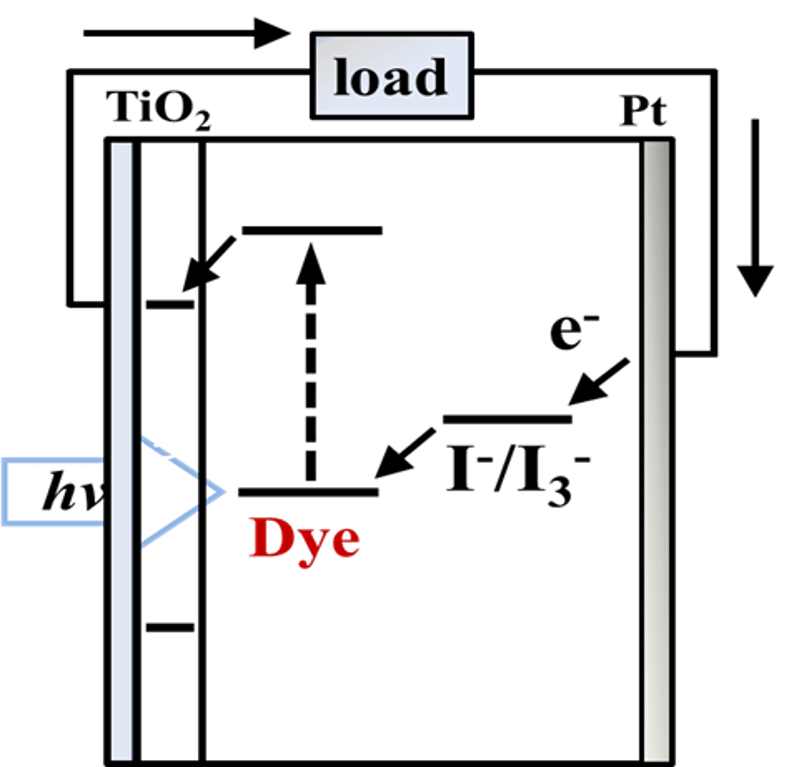
Dye-sensicied solar cell and Photochromic
| Authors | Author Full Names | Article Title | Source Title | Author Keywords | Keywords Plus | Abstract | Addresses | Affiliations | Reprint Addresses | Email Addresses | Researcher Ids | ORCIDs | Funding Orgs | Funding Name Preferred | Funding Text | Cited References | Cited Reference Count | Times Cited, WoS Core | Times Cited, All Databases | 180 Day Usage Count | Since 2013 Usage Count | Publisher | Publisher City | Publisher Address | ISSN | eISSN | ISBN | Journal Abbreviation | Journal ISO Abbreviation | Publication Date | Publication Year | Volume | Issue | Part Number | Supplement | Special Issue | Meeting Abstract | Start Page | End Page | Article Number | DOI | DOI Link | Number of Pages |
|---|---|---|---|---|---|---|---|---|---|---|---|---|---|---|---|---|---|---|---|---|---|---|---|---|---|---|---|---|---|---|---|---|---|---|---|---|---|---|---|---|---|---|---|
| Hocevar, M; Bogati, S; Georg, A; Krasovec, UO | Hocevar, Mateja; Bogati, Shankar; Georg, Andreas; Krasovec, Ursa Opara | A photoactive layer in photochromic glazing | SOLAR ENERGY MATERIALS AND SOLAR CELLS | Sol-gel chemistry; Nanostructured TiO2 layer; TiCl4-THF treatment; Electrochromic layer; Photochromic device; Smart window | SENSITIZED SOLAR-CELLS; TIO2 FILMS; PHOTOELECTROCHROMIC DEVICES; TUNGSTEN-OXIDE; WO3; PERFORMANCE; ELECTRODES; WINDOWS; TICL4 | Different approaches have been studied to evaluate the efficiency of the photoactive layer in a photochromic (PC) device. The studied device combines materials typically used in dye-sensitized solar cell (DSSC) and an electrochromic (EC) layer of WO3. First, We examine if the dye could be attached directly to the EC layer forming an efficient photoactive layer to colour the PC device. Further, different TiO2 layers have been coated on the EC layer to enhance dye loading and two different sol-gel TiO2 layers and the post-treatment of the EC layer with a titanium(IV) chloride tetrahydrofuran complex have been studied. The dye loading of different photoactive layers and their efficiencies in DSSC have been evaluated and discussed with regard to the performance of the PC devices. The results confirmed that the dye could be attached to the WO3 layer, but that the voltage of the DSSC is too low to colour the device. To realize a functioning PC device, the addition of TiO2 is necessary. The best performance (deep and fast colouration) is obtained for a PC device with a TiO2 sol-gel layer; the solar transmittance of the PC device decreases from 57% to 7.5% in under three minutes. According to our knowledge, this is the first study of the impact of the photoactive layer on the photochromic glazing's response. | [Hocevar, Mateja; Krasovec, Ursa Opara] Univ Ljubljana, Fac Elect Engn, Trzaska Cesta 25, Ljubljana 1000, Slovenia; [Bogati, Shankar; Georg, Andreas] Fraunhofer Inst Solar Energy Syst ISE, Heidenhofstr 2, D-79110 Freiburg, Germany | University of Ljubljana; Fraunhofer Gesellschaft; Fraunhofer Germany; Fraunhofer Institute of Solar Energy Systems | Hocevar, M i˜A—’˜ŽÒjAUniv Ljubljana, Fac Elect Engn, Trzaska Cesta 25, Ljubljana 1000, Slovenia. | mateja.hocevar@fe.uni-lj.si | ; Opara Kra?ovec, Ur?a/GZG-5098-2022 | Opara Krasovec, Ursa/0000-0003-1061-6784; | EU FP7 project WINSMART [314407]; Slovenian Research Agency [P2-0244] | EU FP7 project WINSMART; Slovenian Research Agency(Slovenian Research Agency - Slovenia) | The authors gratefully acknowledge the support from the EU FP7 project WINSMART under Grant No. 314407. Andrej Campa from Laboratory of Photovoltaic and Optoelectronic, Faculty of Electrical Engineering, University of Ljubljana (Slovenia) for the UV-vis spectra measurements. David Heath is gratefully acknowledged for English proofreading and improvements of the text. Mateja Hocevar and Urga Opera Kragovec thank the Slovenian Research Agency (program P2-0244). | 28 | 24 | 28 | 0 | 90 | ELSEVIER SCIENCE BV | AMSTERDAM | PO BOX 211, 1000 AE AMSTERDAM, NETHERLANDS | 0927-0248 | 1879-3398 | SOL ENERG MAT SOL C | Sol. Energy Mater. Sol. Cells | NOV | 2017 | 171 | 85 | 90 | 10.1016/j.solmat.2017.06.043 | http://dx.doi.org/10.1016/j.solmat.2017.06.043 | 6 | ||||||||
| Almakrami, H; Wei, Z; Lin, GZ; Jin, XF; Agar, E; Liu, FQ | Almakrami, Husain; Wei, Zi; Lin, Guanzhou; Jin, Xinfang; Agar, Ertan; Liu, Fuqiang | An integrated solar cell with built-in energy storage capability | ELECTROCHIMICA ACTA | Solar energy; Photoelectrochemical; Vanadium redox; Dye-sensitized solar cell; Storage | VANADIUM REDOX; WO3 NANOPARTICLES; TIO2; PERFORMANCE; CARBON; RECONSTRUCTION; PHOTOANODES; CONVERSION; OXIDE; FILM | Due to inherent intermittency nature of light, solar energy must be stored within external batteries in photovoltaic systems, resulting in systems that are fragile and expensive. Internal storage integration can offer highly robust systems at substantially low cost if external batteries are replaced by internal ones. Despite excellent photovoltaic power conversion efficiencies of dye-sensitized solar cells, they are short of storage capability. In this work, we demonstrate an integrated solar storage cell that can potentially deliver solar power even in darkness owing to its integrated energy storage capability. The cell was built upon the dye-sensitized solar cell platform using a photochromic WO3 electrode and had the ability to simultaneously generate and store charges during the day and discharge the stored charges during night. Specifically, three different batches of WO3 nanoparticles, each of unique particle size, were investigated in terms of their compatibility with the solar storage cell and built-in storage capacity. Our results revealed that the solar storage cell with the largest WO3 particle size (similar to 100 nm) exhibited the best transient voltage-current characteristics. On the other hand, intermediate WO3 particle size (60-95 nm) displayed the best storage capacity when undergoing a prolonged photocharging. These comparative investigations shed light on the morphological difference in electrode, active surface area, porosity-dependent electron transport, and redox diffusion coefficient that have a significant impact on the photo/electrochemical properties of the electrodes. (c) 2020 Elsevier Ltd. All rights reserved. | [Almakrami, Husain; Wei, Zi; Lin, Guanzhou; Jin, Xinfang; Agar, Ertan; Liu, Fuqiang] Univ Massachusetts Lowell, Dept Mech Engn, Lowell, MA 01854 USA | University of Massachusetts System; University of Massachusetts Lowell | Liu, FQ i˜A—’˜ŽÒjAUniv Massachusetts Lowell, Dept Mech Engn, Lowell, MA 01854 USA. | Fuqiang_liu@uml.edu | wei, zi/A-4475-2018; Liu, Fuqiang/V-6266-2019; Agar, Ertan/D-7156-2013 | Liu, Fuqiang/0000-0003-2488-259X; Agar, Ertan/0000-0002-4823-4717 | Massachusetts Clean Energy Center [S53000000036086]; National Science Foundation [ECCS-1739137, IIP-1918979] | Massachusetts Clean Energy Center; National Science Foundation(National Science Foundation (NSF)) | This workwas supported by Massachusetts Clean Energy Center (Award #S53000000036086). It is also partially supported by the National Science Foundation under Grant Number ECCS-1739137 and IIP-1918979. H.A. and F.L also acknowledge the constructive comments received at the Energy Materials Conference 2018, Newton, MA, Aug. 27-28 when the paper reporting this work was presented. | 43 | 4 | 4 | 0 | 29 | PERGAMON-ELSEVIER SCIENCE LTD | OXFORD | THE BOULEVARD, LANGFORD LANE, KIDLINGTON, OXFORD OX5 1GB, ENGLAND | 0013-4686 | 1873-3859 | ELECTROCHIM ACTA | Electrochim. Acta | JUL 20 | 2020 | 349 | 136368 | 10.1016/j.electacta.2020.136368 | http://dx.doi.org/10.1016/j.electacta.2020.136368 | 9 | |||||||||
| Riquelme, AJ; Mwalukuku, VM; S?nchez-Fern?ndez, P; Liotier, J; Escalante, R; Oskam, G; Demadrille, R; Anta, JA | Riquelme, Antonio J.; Mwalukuku, Valid Mwatati; Sanchez-Fernandez, Patricia; Liotier, Johan; Escalante, Renan; Oskam, Gerko; Demadrille, Renaud; Anta, Juan A. | Characterization of Photochromic Dye Solar Cells Using Small-Signal Perturbation Techniques | ACS APPLIED ENERGY MATERIALS | photochromic; electrochemistry; impedance; dye-sensitized solar cell; IMPS; small-signal perturbation | MODULATED PHOTOCURRENT SPECTROSCOPY; ELECTRON-TRANSPORT; IMPEDANCE SPECTROSCOPY; CHARGE-TRANSPORT; BACK-REACTION; RECOMBINATION; EFFICIENCY; DIFFUSION; SEMICONDUCTORS; COLLECTION | Photochromic dye-sensitized solar cells (DSSCs) are novel semi-transparent photovoltaic devices that self-adjust their optical properties to the irradiation conditions, a feature that makes them especially suitable for building integrated photovoltaics. These novel solar cells have already achieved efficiencies above 4%, and there are multiple pathways to improve the performance. In this work, we conduct a full characterization of DSSCs with the photochromic dye NPI, combining electrical impedance spectroscopy (EIS) and intensity-modulated photocurrent spectroscopy (IMPS). We argue that the inherent properties of the photochromic dye, which result in a modification of the functioning of the solar cell by the optical excitation that also acts as a probe, pose unique challenges to the interpretation of the results using conventional models. Absorption of light in the visible range significantly increases when the NPI dye is in the activated state; however, the recombination rate also increases, thus limiting the efficiency. We identify and quantify the mechanism of enhanced recombination when the photochromic dye is activated using a combination of EIS and IMPS. From the comparison to a state-of-the-art reference dye (RK1), we were able to detect a new feature in the IMPS spectrum that is associated with the optical activation of the photochromic dye, providing a useful tool for assessing the electronic behavior of the device under different conditions of light excitation. This study provides guidelines to adequate characterization protocols of photochromic solar cells and essential insights on the interfacial electronic processes. | [Riquelme, Antonio J.; Sanchez-Fernandez, Patricia; Escalante, Renan; Oskam, Gerko; Anta, Juan A.] Univ Pablo Olavide, Area Quim Fis, E-41013 Seville, Spain; [Mwalukuku, Valid Mwatati; Liotier, Johan; Demadrille, Renaud] Univ Grenoble Alpes, CEA, Mol Syst & NanoMat Energy & Hlth SyMMES, Interdisciplinary Res Inst Grenoble IRIG,CNRS, F-38000 Grenoble, France; [Oskam, Gerko] CINVESTAV, IPN, Dept Appl Phys, Merida 97310, Yucatan, Mexico | Universidad Pablo de Olavide; CEA; Centre National de la Recherche Scientifique (CNRS); Communaute Universite Grenoble Alpes; Universite Grenoble Alpes (UGA); Instituto Politecnico Nacional - Mexico; CINVESTAV - Centro de Investigacion y de Estudios Avanzados del Instituto Politecnico Nacional | Anta, JA i˜A—’˜ŽÒjAUniv Pablo Olavide, Area Quim Fis, E-41013 Seville, Spain.;Demadrille, R i˜A—’˜ŽÒjAUniv Grenoble Alpes, CEA, Mol Syst & NanoMat Energy & Hlth SyMMES, Interdisciplinary Res Inst Grenoble IRIG,CNRS, F-38000 Grenoble, France. | renaud.demadrille@cea.fr; anta@upo.es | Demadrille, Renaud/J-6088-2018; Oskam, Gerko/AAH-1315-2020; Riquelme, Antonio J/JLN-0309-2023; Anta, Juan/I-8561-2012; Liotier, Johan/GLS-3189-2022 | Demadrille, Renaud/0000-0002-7455-5709; Liotier, Johan/0000-0003-1747-693X; Oskam, Gerko/0000-0002-2105-5874; Anta, Juan/0000-0002-8002-0313; Riquelme, Antonio/0000-0003-2445-3664; Escalante, Renan/0000-0002-5100-5448; | Ministerio de Ciencia e Innovacion of Spain; Agencia Estatal de Investigacion (AEI); EU (FEDER) [PID2019-110430GB-C22, PCI2019-111839-2]; Junta de Andalucia [UPO-1259175]; Ministerio de Universidades; Universidad Pablo de Olavide through the Beatriz Galindo program [18/00077, BGP s18/00060]; Spanish Ministry of Education, Culture and Sports [FPU2017-03684]; ANR [ANR14-OHRI-0003-01]; European Research Council; French Embassy in Kenya through Campus France; European Union Horizon 2020 research and innovation program [832606]; CONACYT. Mexico [CB-A1-S-21018]; European Research Council (ERC) [832606] Funding Source: European Research Council (ERC) | Ministerio de Ciencia e Innovacion of Spain(Spanish GovernmentMinistry of Science & Innovation, Spain (MICINN)); Agencia Estatal de Investigacion (AEI); EU (FEDER)(European Union (EU)); Junta de Andalucia(Junta de Andalucia); Ministerio de Universidades; Universidad Pablo de Olavide through the Beatriz Galindo program; Spanish Ministry of Education, Culture and Sports(Spanish Government); ANR(Agence Nationale de la Recherche (ANR)); European Research Council(European Research Council (ERC)); French Embassy in Kenya through Campus France; European Union Horizon 2020 research and innovation program(Horizon 2020); CONACYT. Mexico(Consejo Nacional de Ciencia y Tecnologia (CONACyT)); European Research Council (ERC)(European Research Council (ERC)) | This work was funded by the Ministerio de Ciencia e Innovacion of Spain, Agencia Estatal de Investigacion (AEI) and EU (FEDER) under grants PID2019-110430GB-C22 and PCI2019-111839-2 (SCALEUP) and Junta de Andalucia under grant SOLARFORCE (UPO-1259175). The authors gratefully acknowledge support from the Ministerio de Universidades and Universidad Pablo de Olavide through the Beatriz Galindo program under project BEAGAL 18/00077 and grant BGP s18/00060. A.J.R. thanks the Spanish Ministry of Education, Culture and Sports for its supports via a PhD grant (FPU2017-03684). R.D. acknowledges ANR for funding through the ODYCE project (grant agreement number ANR14-OHRI-0003-01) and the European Research Council. V.M.M. thanks the French Embassy in Kenya through Campus France for a scholarship grant. This project has received funding under the European Union Horizon 2020 research and innovation program (grant agreement number 832606; project PISCO). G.O. acknowledges funding from CONACYT. Mexico under Basic Sciences grant CB-A1-S-21018. | 58 | 13 | 14 | 1 | 28 | AMER CHEMICAL SOC | WASHINGTON | 1155 16TH ST, NW, WASHINGTON, DC 20036 USA | 2574-0962 | ACS APPL ENERG MATER | ACS Appl. Energ. Mater. | SEP 27 | 2021 | 4 | 9 | 8941 | 8952 | 10.1021/acsaem.1c01204 | http://dx.doi.org/10.1021/acsaem.1c01204 | 12 | ||||||||
| Pausescu, I; Todea, A; Dreava, DM; Boboescu, T; Patcan, B; Patcan, L; Albulescu, D; Badea, V; Peter, F; Totos, R; Ursu, D; Szolga, L; Medeleanu, M | Pausescu, Iulia; Todea, Anamaria; Dreava, Diana-Maria; Boboescu, Tania; Patcan, Bianca; Patcan, Larisa; Albulescu, Daiana; Badea, Valentin; Peter, Francisc; Totos, Robert; Ursu, Daniel; Szolga, Lorant; Medeleanu, Mihai | Experimental and Computational Studies on Bio-Inspired Flavylium Salts as Sensitizers for Dye-Sensitized Solar Cells | MATERIALS | flavylium dyes; photochromism; density functional theory; DSSC; photovoltaic parameters | NATURAL PIGMENTS; CHARGE-TRANSFER; ANTHOCYANINS; PERFORMANCE; EFFICIENCY; ENERGY; LIGHT; DFT; TRIPHENYLAMINE; CONVERSION | Six new bio-inspired flavylium salts were synthesized and investigated by a combined computational and experimental study for dye-sensitized solar cell applications. The compounds were characterized by FT-IR, UV-Vis, NMR spectroscopy, and LC-MS spectrometry techniques. The pH-dependent photochromic properties of the flavylium dyes were investigated through a UV-Vis spectroscopy study and revealed that they follow the same network of chemical reactions as anthocyanins upon pH changes. The structural and electronic properties of the dyes were investigated using density functional theory (DFT) and time-dependent density functional theory (TD-DFT). Geometry optimization calculation revealed that all dyes, regardless of the specie, flavylium cations or quinoidal bases, present a planar geometry. The photovoltaic performances of the dyes, in both flavylium and quinoidal base forms, were evaluated by the HOMO and LUMO energies and by calculating the light-harvesting efficiencies, the free energy change of electron injection, and the free energy change regeneration. The MO analysis showed that all dyes can inject electrons into the conduction band of the TiO2 upon excitation and that the redox couple can regenerate the oxidized dyes. The results obtained for the free energy change of electron injection suggest that the quinoidal bases should inject electrons into the semiconductor more efficiently than the flavylium cations. The values for the free energy change regeneration showed that the redox electrolyte can easily regenerate all dyes. Dipole moment analysis was also performed. DSSCs based on the dyes, in both flavylium and quinoidal base forms, were assembled, and their photovoltaic performances were evaluated by measuring the open-circuit voltage, the short circuit current density, the fill factor, and the energy conversion efficiency. Results obtained by both experimental and computational studies showed that the overall performances of the DSSCs with the quinoidal forms were better than those obtained with the flavylium cations dyes. | [Pausescu, Iulia; Todea, Anamaria; Dreava, Diana-Maria; Boboescu, Tania; Patcan, Bianca; Patcan, Larisa; Albulescu, Daiana; Badea, Valentin; Peter, Francisc; Medeleanu, Mihai] Politehn Univ Timisoara, Fac Ind Chem & Environm Engn, Carol Telbisz 6, Timisoara 300001, Romania; [Albulescu, Daiana; Ursu, Daniel] Natl Inst Res & Dev Electrochem & Condensed Matte, Dr A Paunescu Podeanu 144, Timisoara 300569, Romania; [Totos, Robert] Babes Bolyai Univ, Fac Chem & Chem Engn, Arany Janos 11, Cluj Napoca 400028, Romania; [Szolga, Lorant] Tech Univ Cluj Napoca, ETTI, Base Elect Dept, Optoelect Grp, 28 Memorandumului Str, Cluj Napoca 400114, Romania | Universitatea Politehnica Timisoara; Babes Bolyai University from Cluj; Technical University of Cluj Napoca | Medeleanu, M i˜A—’˜ŽÒjAPolitehn Univ Timisoara, Fac Ind Chem & Environm Engn, Carol Telbisz 6, Timisoara 300001, Romania.;Szolga, L i˜A—’˜ŽÒjATech Univ Cluj Napoca, ETTI, Base Elect Dept, Optoelect Grp, 28 Memorandumului Str, Cluj Napoca 400114, Romania. | lorant.szolga@bel.utcluj.ro; mihai.medeleanu@upt.ro | ; Szolga, Lorant/AAC-4482-2021; P?u?escu, Iulia/AAY-4637-2021; Badea, Valentin/NBX-2826-2025; T?t?s, R?bert/ABB-1042-2020; TODEA, Anamaria/H-5375-2016; Daiana, Albulescu/IAN-9812-2023; Todea, Anamaria/H-5375-2016; Medeleanu, Mihai/AHB-9177-2022; Ursu, Daniel/AAS-9265-2021; Peter, Francisc/C-9851-2011 | Badea, Valentin/0000-0002-6123-9774; Szolga, Lorant/0000-0002-9342-7403; Ursu, Daniel/0000-0002-5422-059X; Daiana, Albulescu/0000-0001-6154-2434; TODEA, Anamaria/0000-0001-7744-103X; Peter, Francisc/0000-0001-7248-2641 | Romanian Ministry of Education and Research, CCCDI-UEFISCDI, within PNCDI III [PN-III-P2-2.1-PED-2019-3037, 385PED, PN-III-P1-1.1-TE-2019-1573, TE 101] | Romanian Ministry of Education and Research, CCCDI-UEFISCDI, within PNCDI III(Consiliul National al Cercetarii Stiintifice (CNCS)Unitatea Executiva pentru Finantarea Invatamantului Superior, a Cercetarii, Dezvoltarii si Inovarii (UEFISCDI)) | This work was partially supported by a grant of the Romanian Ministry of Education and Research, CCCDI-UEFISCDI, project number PN-III-P2-2.1-PED-2019-3037, within PNCDI III, contract number 385PED, and partially supported by a grant of the Romanian Ministry of Education and Research, CCCDI-UEFISCDI, project number PN-III-P1-1.1-TE-2019-1573, within PNCDI III, contract number TE 101. | 65 | 6 | 6 | 3 | 25 | MDPI | BASEL | ST ALBAN-ANLAGE 66, CH-4052 BASEL, SWITZERLAND | 1996-1944 | MATERIALS | Materials | OCT | 2022 | 15 | 19 | 6985 | 10.3390/ma15196985 | http://dx.doi.org/10.3390/ma15196985 | 21 | |||||||||
| Patil, MK; Shaikh, S; Ganesh, I | Patil, Meghshyam K.; Shaikh, Sharekh; Ganesh, Ibram | Recent Advances on TiO2 Thin Film Based Photocatalytic Applications (A Review) | CURRENT NANOSCIENCE | Degradation of organic pollutants; dye-sensitized solar cell; TiO2 thin film; water splitting | CHEMICAL-VAPOR-DEPOSITION; SENSITIZED SOLAR-CELLS; SEMICONDUCTOR PARTICULATE SYSTEMS; HYDROGEN-PRODUCTION; PHASE DEPOSITION; METHYLENE-BLUE; HYDROTHERMAL SYNTHESIS; SPUTTERING DEPOSITION; ANNEALING TEMPERATURE; STRUCTURAL-PROPERTIES | Titanium dioxide (TiO2) is one of the most important materials to be employed as a photocatalyst for environmental protection and other applications. Owing to its certain important combination of properties, TiO2 in the form of thin film has been found to be more attractive for a great variety of applications including photocatalytic degradation of organic pollutants in water as well as in air, dye sensitized solar cells (DSSCs), anti-fogging, superhydrophilic, photochromic, and optical applications. Although, a great number of techniques have been employed so far to fabricate TiO2 thin films, the cost of these thin films has not only been found to be dictated by the sophistication of the preparation method involved but also by the quick recombination of photo-generated electron/hole pairs, backward reactions involved, and the poor response of TiO2 to the visible light. Even though, metal loading, metal ion doping, anion doping, dye sensitization, composite semiconducting phenomenon, metal ion-implantation, addition of sacrificial reagents and carbonate salts to the reaction mixtures, etc., have been employed to improve the efficiency of the photocatalytic applications of TiO2 thin films, a clear-cut relationship between the properties of TiO2 thin films and their performance in a given application is yet to be established. In this article, some of the latest developments accomplished in the fabrication techniques, in the characterization and in the understandings of property and performance relationship of TiO2 thin film have been presented and discussed while citing certain of important references. | [Patil, Meghshyam K.; Shaikh, Sharekh] Dr Babasaheb Ambedkar Marathwada Univ, Dept Chem, Aurangabad 413501, Maharashtra, India; [Ganesh, Ibram] Int Adv Res Ctr Powder Met & New Mat ARCI, Lab Photoelectrochem PEC Cells, Hyderabad 500005, Andhra Pradesh, India | Dr. Babasaheb Ambedkar Marathwada University (BAMU); Department of Science & Technology (India); International Advanced Research Centre for Powder Metallurgy & New Materials (ARCI) | Patil, MK i˜A—’˜ŽÒjADr Babasaheb Ambedkar Marathwada Univ, Dept Chem, Subcampus Osmanabad, Aurangabad 413501, Maharashtra, India. | meghshyam_patil@yahoo.com | Patil, Meghshyam/H-2326-2018; Patil, Meghshyam Keshvarao/H-2326-2018 | Ganesh, Ibram/0000-0002-2976-5184; Patil, Meghshyam Keshvarao/0000-0002-3144-5016 | Department of Science and Technology, New Delhi under SERC FAST Track Scheme [SR/FT/CS-55/2010] | Department of Science and Technology, New Delhi under SERC FAST Track Scheme(Department of Science & Technology (India)Department of Science & Technology (DOST), Philippines) | MKP is thankful to the Department of Science and Technology, New Delhi for financial support from, under SERC FAST Track Scheme (SR/FT/CS-55/2010). IG wishes to thank Dr. G. Sundararajan, Director, ARCI, Hyderabad, for his kind encouragement to work on this review article. | 209 | 44 | 48 | 2 | 323 | BENTHAM SCIENCE PUBL LTD | SHARJAH | EXECUTIVE STE Y-2, PO BOX 7917, SAIF ZONE, 1200 BR SHARJAH, U ARAB EMIRATES | 1573-4137 | 1875-6786 | CURR NANOSCI | Curr. Nanosci. | 2015 | 11 | 3 | 271 | 285 | 10.2174/1573413711666150212235054 | http://dx.doi.org/10.2174/1573413711666150212235054 | 15 | ||||||||
| Mwalukuku, VM; Liotier, J; Riquelme, AJ; Kervella, Y; Huaulme, Q; Haurez, A; Narbey, S; Anta, JA; Demadrille, R | Mwalukuku, Valid M.; Liotier, Johan; Riquelme, Antonio J.; Kervella, Yann; Huaulme, Quentin; Haurez, Alix; Narbey, Stephanie; Anta, Juan Antonio; Demadrille, Renaud | Strategies to Improve the Photochromic Properties and Photovoltaic Performances of Naphthopyran Dyes in Dye-Sensitized Solar Cells | ADVANCED ENERGY MATERIALS | dye-sensitized solar cells; photochromic; photovoltaics; semi-transparent solar cells | ELECTRON-TRANSPORT; HIGH-EFFICIENCY; RECOMBINATION; IMPEDANCE; DIFFUSION; TRANSPARENT; INTERFACES; ORIGIN; SERIES | Semi-transparent solar cells are emerging as promising devices for building integrated photovoltaics. However, regardless of the technology considered, the optical transmission of semi-transparent solar cells is fixed during the fabrication process, and hence, cannot adjust to variations in daylight or weather conditions. This becomes an issue when applications such as photovoltaic windows are envisioned. Previously, it has been reported that the use of photochromic naphthopyran dyes in dye-sensitized solar cells (DSSC) allows for the fabrication of semi-transparent devices capable of modulating their light transmission and energy production depending on light intensity. Herein, a series of naphthopyran dyes with an identical pi-conjugated backbone and varying alkyl substituents is reported. Using this molecular engineering strategy, the control of the discoloration kinetics of the photochromic dyes and the reduction of undesirable recombination processes when utilised in solar cells is demonstrated. The clear photochromic-photovoltaic structure-property relationships for these new photosensitizers is established and they are shown to demonstrate improved photovoltaic performances and photochromic responses in DSSC with notably faster discoloration than previously reported. For the first time with photochromic molecules, the co-sensitization of the electrodes is explored and the highest power conversion efficiency for a photochromic DSSC is reported, reaching up to 4.34% under standard conditions. | [Mwalukuku, Valid M.; Liotier, Johan; Kervella, Yann; Huaulme, Quentin; Haurez, Alix; Demadrille, Renaud] Univ Grenoble Alpes, CNRS, CEA, SyMMES, 17 Rue Martyrs, F-38000 Grenoble, France; [Riquelme, Antonio J.; Anta, Juan Antonio] Univ Pablo de Olavide, Area Quim Fis, Seville 41013, Spain; [Narbey, Stephanie] Solaronix SA, Rue Ouriette 129, CH-1170 Aubonne, Switzerland | Centre National de la Recherche Scientifique (CNRS); CEA; Communaute Universite Grenoble Alpes; Universite Grenoble Alpes (UGA); Universidad Pablo de Olavide | Demadrille, R i˜A—’˜ŽÒjAUniv Grenoble Alpes, CNRS, CEA, SyMMES, 17 Rue Martyrs, F-38000 Grenoble, France. | renaud.demadrille@cea.fr | Anta, Juan/I-8561-2012; Liotier, Johan/GLS-3189-2022; Riquelme, Antonio J/JLN-0309-2023; Demadrille, Renaud/J-6088-2018 | Anta, Juan/0000-0002-8002-0313; MWALUKUKU, Valid Mwatati/0000-0002-8149-5652; KERVELLA, Yann/0000-0001-5003-8320; Riquelme, Antonio/0000-0003-2445-3664; Liotier, Johan/0000-0003-1747-693X; Demadrille, Renaud/0000-0002-7455-5709 | CEA; European Research Council (ERC); European Union's Horizon 2020 research and innovation programme [832606]; EU (FEDER) [PID2019-110430GB-C22, PCI2019-111839-2]; Spanish Ministry of Education, Culture and Sports [FPU2017-03684]; European Research Council (ERC) [832606] Funding Source: European Research Council (ERC) | CEA(CEA); European Research Council (ERC)(European Research Council (ERC)); European Union's Horizon 2020 research and innovation programme(Horizon 2020); EU (FEDER)(European Union (EU)); Spanish Ministry of Education, Culture and Sports(Spanish Government); European Research Council (ERC)(European Research Council (ERC)) | J.L. acknowledges CEA for funding through a CFR PhD grant. R.D., V.M.M., and A.J.R.E. acknowledge the European Research Council (ERC) for funding. This work was funded under the European Union's Horizon 2020 research and innovation programme (grant agreement number 832606; project PISCO). J.A.A acknowledges the Ministerio de Ciencia e Innovacion of Spain, Agencia Estatal de Investigacion (AEI) and EU (FEDER) under grants PID2019-110430GB-C22 and PCI2019-111839-2 (SCALEUP). A.J.R.E. thanks the Spanish Ministry of Education, Culture and Sports for its supports via a PhD grant (FPU2017-03684) and Estancias Breves FPU 2021. R.D. thanks Dr. P. Maldivi and Dr. C. Aumaitre for helpful discussions and O El-Dahshan for his help in the editing the final text. | 73 | 31 | 33 | 8 | 108 | WILEY-V C H VERLAG GMBH | WEINHEIM | POSTFACH 101161, 69451 WEINHEIM, GERMANY | 1614-6832 | 1614-6840 | ADV ENERGY MATER | Adv. Energy Mater. | FEB | 2023 | 13 | 8 | 10.1002/aenm.202203651 | http://dx.doi.org/10.1002/aenm.202203651 | 13 | |||||||||
| Pugachev, AD; Rostovtseva, IA; Makarova, NI; Ievlev, MY; Dmitriev, VS; Ozhogin, IV; Tkachev, VV; Utenyshev, AN; Borodkina, IG; Metelitsa, AV; Aldoshin, SM; Minkin, VI; Luk'yanov, BS | Pugachev, A. D.; Rostovtseva, I. A.; Makarova, N. I.; Ievlev, M. Yu.; Dmitriev, V. S.; Ozhogin, I. V.; Tkachev, V. V.; Utenyshev, A. N.; Borodkina, I. G.; Metelitsa, A. V.; Aldoshin, S. M.; Minkin, V. I.; Luk'yanov, B. S. | Synthesis and study of new photochromic halogen-substituted spiropyrans of the indoline series | RUSSIAN CHEMICAL BULLETIN | spiropyran; photochromism; synthesis; CrystalExplorer; NMR; photovoltaics; DSSC | New indoline spiropyrans containing chlorine and bromine atoms in position 5 of the indoline moiety of the molecule as a substituent were synthesized and studied. The structures of the synthesized compounds were confirmed by NMR and IR spectroscopy. The molecular structure of the chlorine-substituted derivative was determined by X-ray diffraction analysis, and intermolecular interactions in the crystal were studied using the CrystalExplorer21.5 software package. The spectral kinetic studies revealed photochromic properties of novel spiropyrans in an acetonitrile solution. The photoelectrochemical characteristics of dye-sensitized solar cells (DSSC) made from the synthesized compounds before and after UV irradiation were studied in comparison. | [Pugachev, A. D.; Rostovtseva, I. A.; Makarova, N. I.; Dmitriev, V. S.; Ozhogin, I. V.; Borodkina, I. G.; Metelitsa, A. V.; Minkin, V. I.; Luk'yanov, B. S.] Southern Fed Univ, Res Inst Phys & Organ Chem, 194-2 Prosp Stachki, Rostov Na Donu 344090, Russia; [Ievlev, M. Yu.] Chuvash State Univ, 15 Moskovskii Prosp, Cheboksary 428015, Russia; [Tkachev, V. V.; Utenyshev, A. N.; Aldoshin, S. M.] Russian Acad Sci, Fed Res Ctr Problems Chem Phys & Med Chem, 1 Prosp Akad Semenova, Chernogolovka 142432, Moscow Region, Russia | Southern Federal University; Russian Academy of Sciences | Pugachev, AD i˜A—’˜ŽÒjASouthern Fed Univ, Res Inst Phys & Organ Chem, 194-2 Prosp Stachki, Rostov Na Donu 344090, Russia. | artem_d_pugachev@mail.ru | Minkin, Vladimir/C-9433-2013; Ozhogin, Ilya/L-8756-2016; Makarova, Nadezhda/B-1960-2017; Borodkina, Inna/R-6464-2016; Dmitriev, Vitaliy/JUF-0763-2023; Ievlev, Mikhail/E-7151-2016; Rostovtseva, Irina/LZF-0067-2025; Lukianov, Boris/H-3305-2013; Tkachev, Valery/AAC-1433-2021; Pugachev, Artem/F-9090-2017 | Ievlev, Mikhail/0000-0003-0741-2254; Dmitriev, Vitaliy/0000-0002-5519-4418 | Ministry of Science and Higher Education of the Russian Federation [FENW-2023-0020] | Ministry of Science and Higher Education of the Russian Federation | This work was financially supported by the Ministry of Science and Higher Education of the Russian Federation in the framework of the state assignment in the area of scientific activities (Southern Federal University, registration No. FENW-2023-0020). The XRD study was performed in the framework of the state assignment (state registration No. AAAA-A19-119092390076-7). | 47 | 8 | 8 | 2 | 7 | SPRINGER | NEW YORK | ONE NEW YORK PLAZA, SUITE 4600, NEW YORK, NY, UNITED STATES | 1066-5285 | 1573-9171 | RUSS CHEM B+ | Russ. Chem. Bull. | NOV | 2023 | 72 | 11 | 2637 | 2648 | 10.1007/s11172-023-4068-7 | http://dx.doi.org/10.1007/s11172-023-4068-7 | 12 | ||||||||
| Johnson, NM; Smolin, YY; Hagaman, D; Soroush, M; Lau, KKS; Ji, HF | Johnson, Noah M.; Smolin, Yuriy Y.; Hagaman, Daniel; Soroush, Masoud; Lau, Kenneth K. S.; Ji, Hai-Feng | Suitability of N-propanoic acid spiropyrans and spirooxazines for use as sensitizing dyes in dye-sensitized solar cells | PHYSICAL CHEMISTRY CHEMICAL PHYSICS | INFRARED SPECTROSCOPIC ANALYSIS; POLYMER-ELECTROLYTE; AQUEOUS-SOLUTIONS; CARBOXYLIC-ACIDS; TIO2; PHOTOCHROMISM; ADSORPTION; EFFICIENCY; CONVERSION; AL2O3 | This work deals with the fabrication and evaluation of color-changing dye-sensitized solar cells (DSSCs) that include N-propanoic acid-functionalized spiropyrans and spirooxazines as sensitizing dyes. We investigated the photophysical properties of these compounds in various solvents and pH conditions using UV-Vis spectroscopy, and their behavior on TiO2 photoanode surfaces using a combination of UV-Vis and FT-IR. Their performance as sensitizing dyes for DSSCs was also analyzed. This study revealed a number of unique properties for this class of compounds that affect their performance as both photochromic compounds and DSSC sensitizers, which allow for future creation of efficient photochromic DSSCs. | [Johnson, Noah M.; Hagaman, Daniel; Ji, Hai-Feng] Drexel Univ, Dept Chem, Philadelphia, PA 19104 USA; [Smolin, Yuriy Y.; Soroush, Masoud; Lau, Kenneth K. S.] Drexel Univ, Dept Chem & Biol Engn, Philadelphia, PA 19104 USA | Drexel University; Drexel University | Ji, HF i˜A—’˜ŽÒjADrexel Univ, Dept Chem, Philadelphia, PA 19104 USA. | hj56@drexel.edu | Johnson, Noah/0000-0002-0383-0785; Soroush, Masoud/0000-0002-4879-5098; Smolin, Yuriy Y./0000-0001-5908-9829 | Div Of Chem, Bioeng, Env, & Transp Sys; Directorate For Engineering [1236180] Funding Source: National Science Foundation | Div Of Chem, Bioeng, Env, & Transp Sys; Directorate For Engineering(National Science Foundation (NSF)NSF - Directorate for Engineering (ENG)) | 34 | 10 | 10 | 3 | 42 | ROYAL SOC CHEMISTRY | CAMBRIDGE | THOMAS GRAHAM HOUSE, SCIENCE PARK, MILTON RD, CAMBRIDGE CB4 0WF, CAMBS, ENGLAND | 1463-9076 | 1463-9084 | PHYS CHEM CHEM PHYS | Phys. Chem. Chem. Phys. | JAN 28 | 2017 | 19 | 4 | 2981 | 2989 | 10.1039/c6cp07853b | http://dx.doi.org/10.1039/c6cp07853b | 9 | ||||||||||
| Mavazzan, A; Mendhe, AC; Bayannavar, PK; Sankapal, BR; Kamble, RR; Madar, SF; Pasha, KMM; Bheemayya, L | Mavazzan, Ahmedraza; Mendhe, Avinash C.; Bayannavar, Praveen K.; Sankapal, Babasaheb R.; Kamble, Ravindra R.; Madar, Suresh F.; Pasha, K. M. Mussuvir; Bheemayya, Lokesh | Design of Metal Free Fluorescent Pyridine Dyes Anchored on Cadmium Sulfide Nanowires: Optical, Electrochemical and Photovoltaic Applications | JOURNAL OF FLUORESCENCE | Chalcone; DSSC; J-V study; EQE; CdS-NW study | HETEROCYCLIC CHALCONE ANALOGS; PHOTOCHROMIC BEHAVIOR; THIN-FILMS; TRIPHENYLAMINE; DERIVATIVES; EFFICIENCY; SPIROPYRAN; STABILITY; DSSC | Through a facile two-step synthetic procedure, three metal-free organic dyes having D-pi-A kind of structure, belonging to chalcone family have been designed, produced and anchored on one dimensional cadmium sulfide nanowires (1D CdS NWs) to serve as a light energy harvester through dye-sensitized solar cells (DSSC) assembly. In order to anchor dye on CdS NWs nano-network, solution chemistry has been used in an easy and effective manner. The sensitizing capability of synthesized materials has been evaluated using optical and electrochemical studies, density functional theory (DFT) simulations, and photovoltaic performances. In line with a detailed analysis of fabricated Dye sensitized solar cells containing T4PC a photovoltaic efficiency yields 4.35 times (0.487%) more than that of bare CdS NWs (0.112%), while the other devices having T3PC and T2PC have shown 3.0 (0.338%) and 2.40 (0.273%) times greater photovoltaic efficiencies, respectively under standard light illumination. The obtained results offer solid evidence in favour of boosting external quantum efficiency (EQE) and reflect good agreement with the optical studies. | [Mavazzan, Ahmedraza; Bayannavar, Praveen K.; Kamble, Ravindra R.; Madar, Suresh F.; Bheemayya, Lokesh] Karnatak Univ, Dept Studies Chem, Dharwad 580003, Karnataka, India; [Mendhe, Avinash C.] Hanyang Univ, Dept Civil & Environm Engn, ERICA, Ansan 15588, South Korea; [Mendhe, Avinash C.; Sankapal, Babasaheb R.] Visvesvaraya Natl Inst Technol, Dept Phys, Nanomat & Device Lab, South Ambazari Rd, Nagpur 440010, MS, India; [Pasha, K. M. Mussuvir] Karnatak Sci Coll, Dept Chem, Dharwad 580003, Karnataka, India | Karnatak University; Hanyang University; National Institute of Technology (NIT System); Visvesvaraya National Institute of Technology, Nagpur; Karnatak University | Kamble, RR i˜A—’˜ŽÒjAKarnatak Univ, Dept Studies Chem, Dharwad 580003, Karnataka, India. | ravichem@kud.ac.in | ; Sankapal, Babasaheb R./M-4759-2015; KAMBLE, RAVINDRA/AAH-7335-2021; Sankapal, Babasaheb/M-4759-2015 | Mendhe, Avinash/0000-0003-4513-1066; Sankapal, Babasaheb R./0000-0002-7464-9633; | We are grateful to DST, the Government of India, New Delhi and the University Scientific Instrumentation Centre (USIC), Karnatak University, Dharwad, India, for providing instrumentation facility viz., NMR, UV-Visible, Fluorescence, Powder X-ray and EDX-SE; Government of India, New Delhi; Government of Karnatak; University Grants Commission (UGC) | We are grateful to DST, the Government of India, New Delhi and the University Scientific Instrumentation Centre (USIC), Karnatak University, Dharwad, India, for providing instrumentation facility viz., NMR, UV-Visible, Fluorescence, Powder X-ray and EDX-SE; Government of India, New Delhi; Government of Karnatak; University Grants Commission (UGC)(University Grants Commission, India) | We are grateful to DST, the Government of India, New Delhi and the University Scientific Instrumentation Centre (USIC), Karnatak University, Dharwad, India, for providing instrumentation facility viz., NMR, UV-Visible, Fluorescence, Powder X-ray and EDX-SEM data under SAIF programme, and to Nanomaterials and Device Laboratory, Department of Physics, Visvesvaraya National Institute of Technology, Nagpur, India, for Solar cell Fabrication and analysis. One of the authors Ahmedraza Mavazzan (AM) thanks the Government of Karnatak for providing the GOKDOM Fellowship and University Grants Commission (UGC), Delhi for providing Maulana Azad National Fellowship (MANF). | 50 | 2 | 2 | 0 | 5 | SPRINGER/PLENUM PUBLISHERS | NEW YORK | 233 SPRING ST, NEW YORK, NY 10013 USA | 1053-0509 | 1573-4994 | J FLUORESC | J. Fluoresc. | SEP | 2024 | 34 | 5 | 2405 | 2414 | 10.1007/s10895-023-03457-z | http://dx.doi.org/10.1007/s10895-023-03457-z | 10 | |||||||
| Sonkaria, S; Lee, TW; Kumar, A; Hwang, SK; Jablonski, PG; Khare, V | Sonkaria, Sanjiv; Lee, Tae Woo; Kumar, Aniket; Hwang, Soo-Kyung; Jablonski, Piotr G.; Khare, Varsha | Conduction band photonic trapping via band gap reversal of brookite quantum dots using controlled graphitization for tuning a multi-exciton photoswitchable high-performance semiconductor | NANOSCALE | FACILE SYNTHESIS; TIO2 NANORODS; GRAPHENE; ANATASE; PHASE; RUTILE; PHOTOLUMINESCENCE; NANOCOMPOSITE; NANOSHEETS; REDUCTION | Brookite exists as the metastable phase of titania and often mediates the transformation of anatase to rutile. The photocatalytic competence of brookite relative to polymorphs anatase and rutile has generally been considered structurally and energetically unfavourable for reasons that remain largely unknown and unchallenged. However, the process of phase transformation and performance related cooperativity among all three polymorphs has recently unlocked alternative directions for exploring brookite photovoltaics. Here, we demonstrate the programmable re-configuration of anatase to quantum confined reduced graphene (rGO)-brookite and show it is entirely modulated by surface-driven effects. Key components to this mechanism suggest that the self-assembly of rGO-brookite quantum dots is defect driven through pathways that favour a direct-to-indirect band gap reversal resulting from the graphitization of brookite. The accompaniment of new bandgap characteristics under quantum confinement introduce new hybridized energy states at the graphitic carbon-brookite juncture by modulation of the intrinsic sp2 character to extrinsic sp3 clusters intermediate to graphene quantum dots (GQDs) and graphene oxide quantum dots (GOQDs). Evidenced by the intercalation of photochromic/fluorescent carbazole and anthracene moieties within the rGO framework by self-assembly, we show that the acquired fluorescence and luminescence properties of rGO-brookite are multi-emissive and reversibly quenchable under light excitation and from solvent polarity differences. Further, tuning the excitonic response of rGO-brookite by modulation of the photoluminescence (PL) signal intensity signifies coordinated interaction between localised carbazole and benz(a)anthracene moities which can undergo further structural refinement to adapt more optimally to both internal and external energy waves. Distinguishable by a large red-shift in the photoluminescent emission peak at lambda 479 nm in the NIR region, we infer that a photoelectron sink driven by the quantum confinement of a narrow band gap of 0.78 eV formed from the orbital overlap of unoccupied interfacial sites promotes strong e-h+ coupling in the hybridized defect structure imposing a high charge separation by hindering e-h+ recombination. Modulation of interlayer spacing between rGO sheets and the synergy of complexation between intercalated carbazole/benz(a)nthracene can be adapted to achieve rapid photodegradation characteristics for DSSC applications. | [Sonkaria, Sanjiv; Khare, Varsha] Seoul Natl Univ, Soft Foundry Inst, Coll Engn, Seoul, South Korea; [Lee, Tae Woo] Seoul Natl Univ, Dept Mat Sci & Engn, Seoul, South Korea; [Kumar, Aniket] Innovoja Sustainable Solut, White Rock, BC, Canada; [Hwang, Soo-Kyung] Seoul Natl Univ, Lab Adhes & Biocomposites, Major Environm Mat Sci, Seoul, South Korea; [Jablonski, Piotr G.] Seoul Natl Univ, Sch Biol Sci, Lab Behav Ecol, Seoul, South Korea; [Jablonski, Piotr G.] Museum & Inst Zool, Warsaw, Poland | Seoul National University (SNU); Seoul National University (SNU); Seoul National University (SNU); Seoul National University (SNU) | Sonkaria, S; Khare, V i˜A—’˜ŽÒjASeoul Natl Univ, Soft Foundry Inst, Coll Engn, Seoul, South Korea. | ssonkaria64@snu.ac.kr; khare@snu.ac.kr | Jablonski, Piotr/AAD-6768-2022; Lee, Tae-Woo/AAE-7298-2019 | Sonkaria, Sanjiv/0009-0002-8336-5509; | Ministry of Science, ICT and Future Planning [2022R1A2C1006090, 2017R1A2B4008801]; Basic Science Research Program through the National Research Foundation of Korea (NRF) - Ministry of Science, ICT & Future Planning [2017R1D1A1B03036226]; NRF Basic Research Program in Science and Engineering by the Ministry of Education [2021M3F7A1017476]; National Convergence Research of Scientific Challenges through the National Research Foundation of Korea (NRF) - Ministry of Science and ICT; Soft Foundry Institute | Ministry of Science, ICT and Future Planning(Ministry of Science, ICT & Future Planning, Republic of Korea); Basic Science Research Program through the National Research Foundation of Korea (NRF) - Ministry of Science, ICT & Future Planning(National Research Foundation of KoreaMinistry of Science, ICT & Future Planning, Republic of Korea); NRF Basic Research Program in Science and Engineering by the Ministry of Education; National Convergence Research of Scientific Challenges through the National Research Foundation of Korea (NRF) - Ministry of Science and ICT(National Research Foundation of Korea); Soft Foundry Institute | This work acknowledges support from the Basic Science Research Program through the National Research Foundation of Korea (NRF), funded by the Ministry of Science, ICT & Future Planning (No. 2022R1A2C1006090, 2017R1A2B4008801), and NRF Basic Research Program in Science and Engineering by the Ministry of Education (No. 2017R1D1A1B03036226). P. G. J. and V. K. also thankfully acknowledge the support from the National Convergence Research of Scientific Challenges through the National Research Foundation of Korea (NRF), funded by Ministry of Science and ICT (No. 2021M3F7A1017476). S. S. and V. K. gratefully acknowledge the Soft Foundry Institute for support. | 54 | 2 | 2 | 3 | 6 | ROYAL SOC CHEMISTRY | CAMBRIDGE | THOMAS GRAHAM HOUSE, SCIENCE PARK, MILTON RD, CAMBRIDGE CB4 0WF, CAMBS, ENGLAND | 2040-3364 | 2040-3372 | NANOSCALE | Nanoscale | DEC 19 | 2024 | 17 | 1 | 474 | 494 | 10.1039/d4nr03616f | http://dx.doi.org/10.1039/d4nr03616f | 21 |
以下は、ご提示のCSV(DSSC/フォトクロミック関連、10件)をもとに作成したHP掲載用ドラフトです。まずはMarkdown版でお出しします(WPにそのまま貼り付け可能)。不足データは “N/A” と表記しました。
フォトクロミックDSSCとスマートウィンドウ:材料設計と計測の最前線(CD×SPの応用可能性も含めて)
概要
半透明発電や視覚的な情報提示を両立するため、フォトクロミック色素を用いたDSSCやフォトクロミック・エレクトロクロミック窓が注目されています。本セットでは、スピロピラン(SP)/スピロオキサジン、ナフトピラン、フラビリウムなどの色素設計、TiO₂相・構造制御(ブルッカイトやフォトニック捕捉)、およびIMPS/IMVSなど小信号計測による動作解析を整理しました。また、蓄電一体型セルの概念や、視覚応答と発電性能のトレードオフ最適化も俯瞰します。補足として、シクロデキストリン(CD)とSPを組み合わせた“書いて消せる”表示、光誘起相転移(VPTT)やカスケードエネルギー移動(FRET)の活用可能性にも言及します。
ここがポイント
- 色素設計:SP/スピロオキサジン、ナフトピラン、フラビリウムなど多様な光応答骨格が検討され、アンカー基(例:カルボン酸)でTiO₂へ固定。
- 動作解析:IMPS/IMVS等の小信号法で、フォトクロミックDSSCの輸送・再結合時定数を可視化。
- 光学構造:ブルッカイトTiO₂やバンドギャップ反転を利用した“光子捕捉”で、スペクトル応答の拡張を模索。
- 機能複合化:蓄電一体型セルなど、発電+蓄電や色調変化の多機能化が進展。
- CD×SPの強み:デュアル架橋やVPTT制御、カスケードFRETにより、**“書いて消せる”**表示・光応答ゲーティングの設計余地が広がる(本セットは可能性の整理であり、各論文にCD要素が必ず含まれるわけではありません)。
論文別ハイライト
- A photoactive layer in photochromic glazing(2017)
- 設計/材料:ソル–ゲル由来のナノ構造TiO₂層、TiCl₄処理、EC層と組合せたフォトクロミック窓。
- 機能/現象:光照射で透過率/色調が変化し、窓としての応答を最適化。
- 数値的特長:詳細N/A(設計指針・工程最適化が中心)。
- 用途像:スマートウィンドウ、建材一体型の受動的遮光。
- Integrated solar cell with built-in energy storage(2020)
- 設計/材料:DSSCとバナジウム系レドックス蓄電を統合。
- 機能/現象:光発電と同時にレドックス対でエネルギーを一時蓄積。
- 数値的特長:N/A(概念実証)。
- 用途像:発電・蓄電一体型“窓”や自律デバイス。
- Photochromic DSSCの小信号解析(2021)
- 設計/材料:フォトクロミック色素(例:NPI)を用いた半透明DSSC。
- 機能/現象:IMPS/IMVS等で輸送・再結合ダイナミクスを定量。
- 数値的特長:時定数や拡散長などの抽出指針を提示(具体値はN/A)。
- 用途像:表示性と発電性能の設計最適化。
- フラビリウム塩の実験・計算(2022)
- 設計/材料:生体由来モチーフのフラビリウム6種を合成、DFT評価。
- 機能/現象:pH依存の発色変化(フォトクロミズム)とDSSC適用性。
- 数値的特長:N/A(設計原理の提示)。
- 用途像:生体模倣型の色調スイッチング/教育展示。
- TiO₂薄膜の光触媒応用レビュー(2015)
- 設計/材料:TiO₂薄膜の成膜・相制御・表面改質の俯瞰。
- 機能/現象:光触媒/親水化/フォトクロミック等の表面機能。
- 数値的特長:N/A(レビュー)。
- 用途像:セル周辺部材・窓材の機能化基盤。
- ナフトピラン系の特性・発電性能向上戦略(2023)
- 設計/材料:置換・マトリクス・共感受などで色変化とPCEの両立を模索。
- 機能/現象:半透明化と発電のトレードオフ最適化。
- 数値的特長:N/A(戦略論の整理)。
- 用途像:意匠性重視の窓一体型発電。
- ハロゲン化インドリンSPの合成・解析(2023)
- 設計/材料:Cl/Br導入SPの合成、結晶相互作用・分光動態の評価。
- 機能/現象:SP⇄MCの可逆変換、吸収/蛍光応答のチューニング。
- 数値的特長:N/A(キネティクス・安定性の比較)。
- 用途像:色調スイッチ表示、DSSC色素候補。
- N-プロピオン酸SP/スピロオキサジンのDSSC適合性(2017)
- 設計/材料:カルボン酸アンカーでTiO₂へ化学固定。
- 機能/現象:色が変わるDSSCの実証(感光–退色の可逆)。
- 数値的特長:N/A(系統比較の知見)。
- 用途像:情報表示と発電を兼ねるラベル・窓。
- CdSナノワイヤに蛍光ピリジン色素(2024)
- 設計/材料:金属フリー蛍光色素+CdSナノワイヤ、光電・電気化学特性評価。
- 機能/現象:感光能とJ–V/EQE特性を検証。
- 数値的特長:N/A(本件はフォトクロミックではなく参考)。
- 用途像:発光/発電ハイブリッド素子の基礎。
- ブルッカイトTiO₂の“光子捕捉”とバンドギャップ反転(2024)
- 設計/材料:ブルッカイト相での多励起・可逆特性に着目。
- 機能/現象:伝導帯側のフォトニック捕捉による応答拡張を検討。
- 数値的特長:N/A。
- 用途像:高機能半導体フォトスイッチ、窓材との組合せ。
用語ミニ解説
- スピロピラン(SP)/メロシアニン(MC):紫外線等でSP→MCに開環し可視吸収が増す可逆系。
- シクロデキストリン(CD, α/β/γ)/CDポリマー(CDP):包接と多点架橋が可能な多糖環。SPを包接・固定化しやすい。
- ポリロタキサン:環状分子(CD)を軸分子に通し末端を塞いだ構造。動的・デュアル架橋設計に有用。
- IMPS/IMVS:小信号光強度変調で輸送・再結合を解析する電気化学分光法。
- カスケードエネルギー移動(FRET):ドナー→アクセプターへ無輻射的にエネルギーが移動。SP→有機色素への移動設計に有効。
- 体積相転移温度(VPTT):温度でゲルの体積が急変する転移温度。CD×SPゲルの光–熱連成で“光誘起相転移”が設計可能。
想定アプリケーション
- 半透明・**“書いて消せる”**表示一体型のDSSCウィンドウ
- BIPV(建材一体型)での遮光・意匠制御
- 屋内IoT向けの自律電源+状態表示
- 光応答ゲルを用いた流路バルブ/化学センサー
- 局所照射でパターニングする教育・展示デバイス
関連キーワード
DSSC/フォトクロミック、スピロピラン、スピロオキサジン、ナフトピラン、フラビリウム、TiO₂(ブルッカイト)、IMPS/IMVS、FRET、メロシアニン、シクロデキストリン、ポリロタキサン、スマートウィンドウ
Photochromic DSSCs & Smart Windows: Materials, Optics, and Measurement (with notes on CD×SP potential)
Overview
To co-optimize semi-transparent power generation and visual functions, researchers explore photochromic dyes in DSSCs and chromogenic glazing. This set highlights dye families (spiropyrans/spirooxazines, naphthopyrans, flavylium salts), TiO₂ phase/structure engineering (e.g., brookite, photonic trapping), and small-signal diagnostics (IMPS/IMVS). We also note integrated PV-storage concepts and the inherent trade-off between optical modulation and PCE. As context, cyclodextrin (CD) × spiropyran (SP) architectures promise “write-and-erase” displays, VPTT-driven phase control, and cascade FRET—potentially synergistic with photochromic windows/DSSCs.
Why it matters / Key points
- Dye design: SP/spirooxazine, naphthopyran, and flavylium motifs; carboxylate anchoring to TiO₂.
- Diagnostics: IMPS/IMVS quantify transport and recombination in photochromic DSSCs.
- Optical structuring: Brookite TiO₂ and band-gap reversal enable photonic trapping and spectral extension.
- Function integration: Toward PV + storage and reversible color switching in one platform.
- CD×SP advantages: Dual cross-linking, VPTT gating, and cascade FRET enable write-erase patterning (not all cited papers include CD; this is contextual potential).
Highlights by study
- Photochromic glazing with photoactive/EC layers (2017)
- Design: Sol–gel nanostructured TiO₂; TiCl₄ treatment; EC coupling.
- Function: Light-driven transmittance/color tuning of window panes.
- Metrics: N/A.
- Use: Smart windows.
- PV with built-in redox storage (2020)
- Design: DSSC integrated with vanadium redox couple.
- Function: Simultaneous power generation and short-term storage.
- Metrics: N/A.
- Use: Self-powered glazing/sensors.
- Small-signal analysis of photochromic DSSCs (2021)
- Design: Photochromic dye (e.g., NPI) in semi-transparent DSSC.
- Function: IMPS/IMVS reveal transport/recombination time constants.
- Metrics: Methodological guidance (values N/A).
- Use: Design optimization of color-tunable PV.
- Flavylium salts: experiments and DFT (2022)
- Design: Six bio-inspired flavylium dyes, computed and tested.
- Function: pH-dependent color/photochromism; DSSC feasibility.
- Metrics: N/A.
- Use: Bio-mimetic chromic dyes.
- Review: TiO₂ thin films (2015)
- Design: Deposition, phase, and surface engineering overview.
- Function: Photocatalysis/superhydrophilicity/photochromism.
- Metrics: N/A.
- Use: Functional coatings around PV/glazing.
- Strategies for naphthopyran dyes in DSSCs (2023)
- Design: Substitution, matrix, co-sensitization tactics.
- Function: Balance transparency vs. PCE.
- Metrics: N/A.
- Use: Aesthetic PV windows.
- Halogenated indoline SPs (2023)
- Design: Cl/Br-substituted SPs; crystal and kinetic studies.
- Function: Reversible SP↔MC switching; tunable spectra.
- Metrics: N/A.
- Use: Color-switchable labels/DSSC candidates.
- N-propanoic SPs/spirooxazines for DSSCs (2017)
- Design: Carboxylate anchoring to TiO₂.
- Function: DSSCs with reversible color change demonstrated.
- Metrics: N/A.
- Use: Display-capable PV windows.
- Fluorescent pyridine dyes on CdS nanowires (2024)
- Design: Metal-free dyes + CdS NWs; optical/electrochemical tests.
- Function: J–V/EQE characterization.
- Metrics: N/A (not photochromic; for context).
- Use: Hybrid light-emission/harvesting.
- Brookite TiO₂ photonic trapping & band-gap reversal (2024)
- Design: Brookite-based photoswitchable semiconductor.
- Function: Conduction-band photonic trapping; multi-exciton behavior.
- Metrics: N/A.
- Use: High-performance photonic/photochemical switches.
Mini-glossary
- Spiropyran (SP) / Merocyanine (MC): Reversible UV-induced ring opening with visible absorption.
- Cyclodextrin (CD, α/β/γ) / CD polymer (CDP): Inclusion hosts enabling multi-point/dual cross-linking of SP.
- Polyrotaxane: Threaded CD on polymer axle; dynamic/dual-crosslink matrices.
- IMPS/IMVS: Small-signal photo-electrochemical probing of transport/recombination.
- Cascade FRET: Non-radiative energy transfer chain (e.g., SP→dye).
- VPTT: Volume phase transition temperature; enables light-induced phase gating with SP-heating.
Potential applications
- Semi-transparent write-erase PV windows
- BIPV façades with adaptive shading
- Self-powered IoT with visual status indicators
- Light-responsive microfluidic valves/sensors
- Educational/demo kits for chromic PV
Suggested tags
DSSC, photochromic, spiropyran, spirooxazine, naphthopyran, flavylium, TiO2 (brookite), IMPS, FRET, merocyanine, cyclodextrin, polyrotaxane, smart window
参考文献(入力順)
- Hocevar, M.; Bogati, S.; Georg, A.; Krasovec, U.O.. A photoactive layer in photochromic glazing. Solar Energy Materials and Solar Cells 2017, 171, 85–90. https://doi.org/10.1016/j.solmat.2017.06.043
- Almakrami, H.; Wei, Z.; Lin, G.Z.; Jin, X.F.; Agar, E.; Liu, F.Q.. An integrated solar cell with built-in energy storage capability. Electrochimica Acta 2020, 349, N/A. https://doi.org/10.1016/j.electacta.2020.136368
- Riquelme, A.J.; Mwalukuku, V.M.; S?nchez-Fern?ndez, P.; Liotier, J.; Escalante, R.; Oskam, G.; et al. Characterization of Photochromic Dye Solar Cells Using Small-Signal Perturbation Techniques. ACS Applied Energy Materials 2021, 4(9), 8941–8952. https://doi.org/10.1021/acsaem.1c01204
- Pausescu, I.; Todea, A.; Dreava, D.M.; Boboescu, T.; Patcan, B.; Vlad, S.; et al. Experimental and Computational Studies on Bio-Inspired Flavylium Salts as Sensitizers for Dye-Sensitized Solar Cells. Materials 2022, 15(19), N/A. https://doi.org/10.3390/ma15196985
- Patil, M.K.; Shaikh, S.; Ganesh, I.. Recent Advances on TiO₂ Thin Film Based Photocatalytic Applications (A Review). Current Nanoscience 2015, 11(3), 271–285. https://doi.org/10.2174/1573413711666150212235054
- Mwalukuku, V.M.; Liotier, J.; Riquelme, A.J.; Kervella, Y.; Huau, C.; Vanel, J.C.; et al. Strategies to Improve the Photochromic Properties and Photovoltaic Performances of Naphthopyran Dyes in Dye-Sensitized Solar Cells. Advanced Energy Materials 2023, 13(8), N/A. https://doi.org/10.1002/aenm.202203651
- Pugachev, A.D.; Rostovtseva, I.A.; Makarova, N.I.; Ievlev, M.Y.; Usoltsev, D.A.; Morozova, N.B.. Synthesis and study of new photochromic halogen-substituted spiropyrans of the indoline series. Russian Chemical Bulletin 2023, 72(11), 2637–2648. https://doi.org/10.1007/s11172-023-4068-7
- Johnson, N.M.; Smolin, Y.Y.; Hagaman, D.; Soroush, M.; Lau, K.K.S.; Kamat, P.V.. Suitability of N-propanoic acid spiropyrans and spirooxazines for use as sensitizing dyes in dye-sensitized solar cells. Physical Chemistry Chemical Physics 2017, 19(4), 2981–2989. https://doi.org/10.1039/c6cp07853b
- Mavazzan, A.; Mendhe, A.C.; Bayannavar, P.K.; Sankapal, B.R.; Kamble, R.R.; Madar, S.F.; et al. Design of Metal Free Fluorescent Pyridine Dyes Anchored on Cadmium Nanowires: Optical, Electrochemical and Photovoltaic Applications. Journal of Fluorescence 2024, 34(5), 2405–2414. https://doi.org/10.1007/s10895-023-03457-z
- Sonkaria, S.; Lee, T.W.; Kumar, A.; Hwang, S.K.; Jablonski, P.G.; Khare, V.. Conduction band photonic trapping via band gap reversal of brookite titania enabling a multi-exciton photoswitchable high-performance semiconductor. Nanoscale 2024, 17(1), 474–494. https://doi.org/10.1039/d4nr03616f