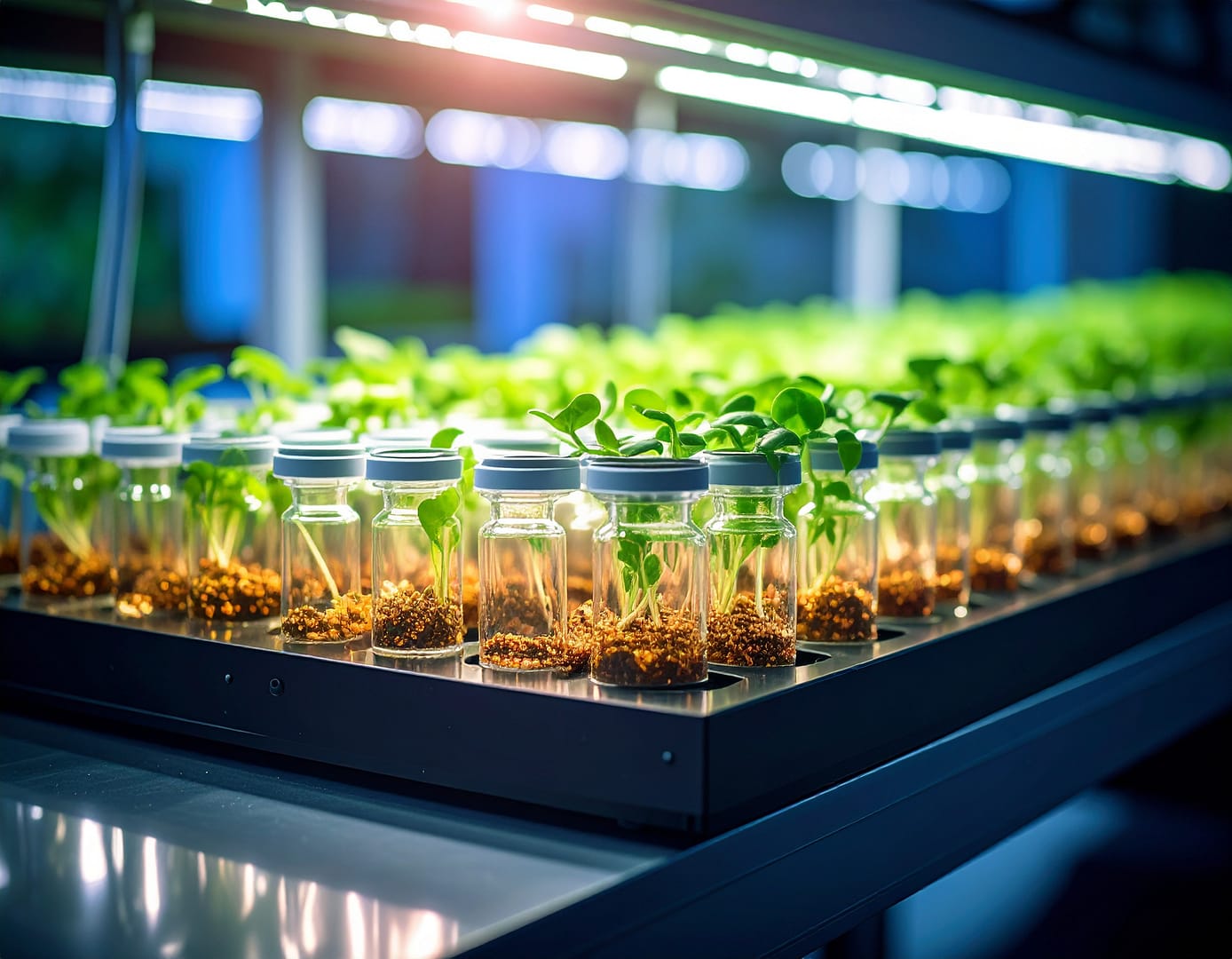
Laser irradiation and soybean
| Publication Type | Authors | Book Authors | Book Editors | Book Group Authors | Author Full Names | Book Author Full Names | Group Authors | Article Title | Source Title | Book Series Title | Book Series Subtitle | Language | Document Type | Conference Title | Conference Date | Conference Location | Conference Sponsor | Conference Host | Author Keywords | Keywords Plus | Abstract | Addresses | Affiliations | Reprint Addresses | Email Addresses | Researcher Ids | ORCIDs | Funding Orgs | Funding Name Preferred | Funding Text | Cited References | Cited Reference Count | Times Cited, WoS Core | Times Cited, All Databases | 180 Day Usage Count | Since 2013 Usage Count | Publisher | Publisher City | Publisher Address | ISSN | eISSN | ISBN | Journal Abbreviation | Journal ISO Abbreviation | Publication Date | Publication Year | Volume | Issue | Part Number | Supplement | Special Issue | Meeting Abstract | Start Page | End Page | Article Number | DOI | DOI Link | Book DOI | Early Access Date | Number of Pages | WoS Categories | Web of Science Index | Research Areas | IDS Number | Pubmed Id | Open Access Designations | Highly Cited Status | Hot Paper Status | Date of Export | UT (Unique WOS ID) | Web of Science Record |
|---|---|---|---|---|---|---|---|---|---|---|---|---|---|---|---|---|---|---|---|---|---|---|---|---|---|---|---|---|---|---|---|---|---|---|---|---|---|---|---|---|---|---|---|---|---|---|---|---|---|---|---|---|---|---|---|---|---|---|---|---|---|---|---|---|---|---|---|---|---|---|---|
| J | Klimek-Kopyra, A; Dluzniewska, J; Slizowska, A; Dobrowolski, JW | Klimek-Kopyra, Agnieszka; Dluzniewska, Joanna; Slizowska, Anna; Dobrowolski, Jan Wincenty | Impact of Coherent Laser Irradiation on Germination and Mycoflora of Soybean Seeds-Innovative and Prospective Seed Quality Management | AGRICULTURE-BASEL | English | Article | sustainable crop production; laser radiation; fungi; soybean | HE-NE-LASER; IDENTIFICATION; JAPONICUM; GROWTH; PLANTS; FUNGI | Laser irradiation is considered a new technology in agriculture; however, the success of irradiation depends on the selection of precise parameters for the light source and exposure. In this study, the impact of laser stimulation on germination and the occurrence of mycoflora in soybean seeds was assessed. The following factors were considered: (1) irradiation using blue and red coherent lights, (2) irradiation of seeds only (a), use of Bradyrhzobium japonicum vaccine only (b), and irradiation of the seeds plus the Bradyrhzobium japonicum vaccine (c). The germination index, seedling weight and seeds infected by fungus were determined. It was found that the laser treatment of seeds increased germination and seedling weight. Laser irradiation affected the abundance of species Phoma glomerata, Botrytis cinerea, Rhizopus nigricans and Gliocladium roseum. The use of blue laser (LB-514 nm) reduced the number of the non-pathogenic species, R. nigricans and G. roseum. | [Klimek-Kopyra, Agnieszka; Slizowska, Anna] Agr Univ Krakow, Dept Agroecol & Plant Prod, Al Mickiewicza 21, PL-31120 Krakow, Poland; [Dluzniewska, Joanna] Agr Univ Krakow, Dept Microbiol & Biomonitoring, Al Mickiewicza 21, PL-31120 Krakow, Poland; [Dobrowolski, Jan Wincenty] AGH Univ Sci & Technol, Dept Photogrammetry Remote Sensing Environm & Spa, Al Mickiewicza 30, PL-30059 Krakow, Poland | University of Agriculture in Krakow; University of Agriculture in Krakow; AGH University of Krakow | Klimek-Kopyra, A i˜A—’˜ŽÒjAAgr Univ Krakow, Dept Agroecol & Plant Prod, Al Mickiewicza 21, PL-31120 Krakow, Poland. | agnieszka.klimek@urk.edu.pl; joanna.dluzniewska@urk.edu.pl; anslizowska@gmail.com; dobrowol@agh.edu.pl | ; Klimek-Kopyra, Agnieszka/GWM-4114-2022 | Klimek-Kopyra, Agnieszka/0000-0002-7426-2420; Dluzniewska, Joanna/0000-0002-2617-9139 | Ministry of Education | Ministry of Education | This research was funded by the Ministry of Education. | 44 | 15 | 17 | 1 | 20 | MDPI | BASEL | ST ALBAN-ANLAGE 66, CH-4052 BASEL, SWITZERLAND | 2077-0472 | AGRICULTURE-BASEL | Agriculture-Basel | AUG | 2020 | 10 | 8 | 314 | 10.3390/agriculture10080314 | http://dx.doi.org/10.3390/agriculture10080314 | 14 | Agronomy | Science Citation Index Expanded (SCI-EXPANDED) | Agriculture | OC2GB | Green Published, gold | 2025-09-12 | WOS:000578977500001 | View Full Record in Web of Science | ||||||||||||||||||||||||||
| J | Dluzniewska, J; Klimek-Kopyra, A; Czech, T; Dobrowolski, JW; Dacewicz, E | Dluzniewska, Joanna; Klimek-Kopyra, Agnieszka; Czech, Tomasz; Dobrowolski, Jan Wincenty; Dacewicz, Ewa | The Use of Coherent Laser Stimulation of Seeds and a Fungal Inoculum to Increase the Productivity and Health of Soybean Plants | AGRONOMY-BASEL | English | Article | mycorrhizal inoculum; soybean; laser stimulation | MYCORRHIZAL FUNGUS; GROWTH; PROTECTION; RESISTANCE; SEEDLINGS; PATHOGEN | The laser stimulation of seeds is regarded as a modern method of seed enhancement. Our study evaluated the productivity and health of soybean plants resulting from the coherent irradiation of seeds and irradiation of an arbuscular mycorrhizal fungi (AMF) inoculum. The two-factor pot experiment took into account (1) the type of irradiated biological material (seeds, AMF inoculum, and seeds and inoculum) and (2) the means of irradiation (red laser-LR, blue laser-LB, red and blue laser-LR + LB, and control). Seed weight per plant, pod number per plant, root weight, the Fv/Fm fluorescence parameters, and the health status of the aboveground and underground parts of the plants were assessed. Stimulation with a laser light was shown to have a positive effect on the productivity and health of soybean plants. Significantly better effects can be obtained by stimulating the seeds alone. The stimulation of seeds treated with AMF inoculum slightly reduced the productivity of the plants. However, with regards to the conditions of plants, the treatment of seeds with AMF inoculum and laser irradiation was shown to reduce the incidence of Septoria brown spots. | [Dluzniewska, Joanna] Agr Univ Krakow, Dept Microbiol & Biomonitoring, Al Mickiewicza 21, PL-31120 Krakow, Poland; [Klimek-Kopyra, Agnieszka] Agr Univ Krakow, Dept Agroecol & Plant Prod, Al Mickiewicza 21, PL-31120 Krakow, Poland; [Czech, Tomasz] Agr Univ Krakow, Dept Agr & Environm Chem, Al Mickiewicza 21, PL-31120 Krakow, Poland; [Dobrowolski, Jan Wincenty] AGH Univ Sci & Technol, Dept Photogrammetry Remote Sensing Environm & Spa, Al Mickiewicza 30, PL-30059 Krakow, Poland; [Dacewicz, Ewa] Agr Univ Krakow, Dept Sanit Engn & Water Econ, Al Mickiewicza 24-28, PL-30059 Krakow, Poland | University of Agriculture in Krakow; University of Agriculture in Krakow; University of Agriculture in Krakow; AGH University of Krakow; University of Agriculture in Krakow | Klimek-Kopyra, A i˜A—’˜ŽÒjAAgr Univ Krakow, Dept Agroecol & Plant Prod, Al Mickiewicza 21, PL-31120 Krakow, Poland. | joanna.dluzniewska@urk.edu.pl; agnieszka.klimek@urk.edu.pl; tomasz.czech@urk.edu.pl; dobrowol@agh.edu.pl; ewa.wasik@ur.krakow.pl | Dacewicz, Ewa/AAL-5376-2020; Klimek-Kopyra, Agnieszka/GWM-4114-2022; Czech, Tomasz/AAG-7834-2021 | Klimek-Kopyra, Agnieszka/0000-0002-7426-2420; | Ministry of Education | Ministry of Education | This research was funded by the Ministry of Education. | 36 | 7 | 7 | 1 | 8 | MDPI | BASEL | ST ALBAN-ANLAGE 66, CH-4052 BASEL, SWITZERLAND | 2073-4395 | AGRONOMY-BASEL | Agronomy-Basel | OCT | 2021 | 11 | 10 | 1923 | 10.3390/agronomy11101923 | http://dx.doi.org/10.3390/agronomy11101923 | 15 | Agronomy; Plant Sciences | Science Citation Index Expanded (SCI-EXPANDED) | Agriculture; Plant Sciences | WV4NJ | gold | 2025-09-12 | WOS:000717214400001 | View Full Record in Web of Science | ||||||||||||||||||||||||||
| J | Breloy, L; Brezov?, V; Barbierikov?, Z; Ito, Y; Akimoto, J; Chiappone, A; Abbad-Andaloussi, S; Malval, JP; Versace, DL | Breloy, Louise; Brezova, Vlasta; Barbierikova, Zuzana; Ito, Yoshihiro; Akimoto, Jun; Chiappone, Annalisa; Abbad-Andaloussi, Samir; Malval, Jean-Pierre; Versace, Davy-Louis | Methacrylated Quinizarin Derivatives for Visible-Light Mediated Photopolymerization: Promising Applications in 3D-Printing Biosourced Materials under LED@405 nm | ACS APPLIED POLYMER MATERIALS | English | Article | radical photopolymerization; quinizarin; 3D-photoprinting; visible-light irradiation; LED irradiation; antiadhesion properties | FREE-RADICAL POLYMERIZATION; ELECTRON-SPIN-RESONANCE; LIGNIN MODEL COMPOUNDS; SOYBEAN-OIL; CATIONIC PHOTOPOLYMERIZATIONS; ANTHRAQUINONE DERIVATIVES; PHENOTHIAZINE-DERIVATIVES; PHOTOINITIATORS; IODONIUM; PHOTOLYSIS | The high initiating properties of mono- (Q-1Ac) and dimethacrylated (Q-2Ac) quinizarin derivatives under visible-light irradiation are reported here. Associated with various co-initiators, such as iodonium salt (electron acceptor), an amine derivative (electron donor), or thiol cross-linker (H-donor), the quinizarin-derived photosensitizers lead to high conversions by radical photopolymerization in laminate or under air. Mechanisms of photoinitiation were deeply investigated by fluorescence, laser flash photolysis (LFP) and electron paramagnetic resonance (EPR) experiments. The use of soybean oil acrylate (SOA) as biobased monomer leads to highly cross-linked materials under visible-light, with comparable mechanical properties than UV-induced ones previously described in literature. Copolymerization of the photosensitizer (PS) with the polymer matrix not only prevents leakage, but also ensures antiadhesion properties of SOA materials against Staphylococcus aureus (S. aureus) under visible-light activation. Finally, complex 3D biobased structures are successfully obtained by 3D-printing under visible-light irradiation (LED@405 nm), opening opportunities to design photoinduced biosourced materials. | [Breloy, Louise; Versace, Davy-Louis] UMR CNRS 7182, Inst Chim & Mat Paris Est ICMPE, Equipe Syst Polymeres Complexes SPC, F-94320 Thiais, France; [Brezova, Vlasta; Barbierikova, Zuzana] Slovak Univ Technol Bratislava, Fac Chem & Food Technol, Inst Phys Chem & Chem Phys, Dept Phys Chem, SK-81237 Bratislava, Slovakia; [Ito, Yoshihiro; Akimoto, Jun] RIKEN Cluster Pioneering Res, Nano Med Engn Lab, Wako, Saitama 3510198, Japan; [Chiappone, Annalisa] Politechn Torino, Dipartimento Sci Applicata & Tecnol, I-10129 Turin, Italy; [Abbad-Andaloussi, Samir] Univ Paris Est Creteil UPEC, Lab Eau Environm Syst Urbains LEESU, UMR MA 102, F-94010 Creteil, France; [Malval, Jean-Pierre] Inst Chim & Mat Mulhouse IS2M, UMR 7361, F-68057 Mulhouse, France | Universite Paris-Est-Creteil-Val-de-Marne (UPEC); Slovak University of Technology Bratislava; RIKEN; Polytechnic University of Turin; Universite Paris-Est-Creteil-Val-de-Marne (UPEC); Universites de Strasbourg Etablissements Associes; Universite de Haute-Alsace (UHA); Centre National de la Recherche Scientifique (CNRS); CNRS - Institute of Chemistry (INC) | Versace, DL i˜A—’˜ŽÒjAUMR CNRS 7182, Inst Chim & Mat Paris Est ICMPE, Equipe Syst Polymeres Complexes SPC, F-94320 Thiais, France. | versace@icmpe.cnrs.fr | Ito, Yoshihiro/T-1095-2019; Versace, Davy-Louis/D-8124-2016; Chiappone, Annalisa/ODL-0613-2025 | Mahmoud, Abdelfattah/0000-0002-4899-859X; ABBAD ANDALOUSSI, Samir/0000-0003-2806-6477; | French National Research Agency (ANR, sPECTRAL project), UPEC, Ministry of Education, Science, Research and Sport of the Slovak Republic; Scientific Grant Agency of the Slovak Republic [1/0064/21] | French National Research Agency (ANR, sPECTRAL project), UPEC, Ministry of Education, Science, Research and Sport of the Slovak Republic; Scientific Grant Agency of the Slovak Republic | Dr. D.-L.V. and Prof. V.B. would like to thank the French National Research Agency (ANR, sPECTRAL project), UPEC, Ministry of Education, Science, Research and Sport of the Slovak Republic, for funding within the scheme Excellent research teams and the Scientific Grant Agency of the Slovak Republic (VEGA Project 1/0064/21) for financial support. | 76 | 22 | 26 | 1 | 33 | AMER CHEMICAL SOC | WASHINGTON | 1155 16TH ST, NW, WASHINGTON, DC 20036 USA | 2637-6105 | ACS APPL POLYM MATER | ACS Appl. Polym. Mater. | JAN 14 | 2022 | 4 | 1 | 210 | 228 | 10.1021/acsapm.1c01210 | http://dx.doi.org/10.1021/acsapm.1c01210 | DEC 2021 | 19 | Materials Science, Multidisciplinary; Polymer Science | Science Citation Index Expanded (SCI-EXPANDED) | Materials Science; Polymer Science | ZX6TF | 2025-09-12 | WOS:000734468600001 | View Full Record in Web of Science | |||||||||||||||||||||||||
| J | Yang, YH; Tu, YY; Lou, ZY; Gui, XF; Kong, JL; Huang, ZZ | Yang, Yihao; Tu, Yuanyuan; Lou, Zhuoyao; Gui, Xuefeng; Kong, Jiali; Huang, Zhenzhu | Rapid UV-curable preparation of durable soybean oil-based superhydrophobic anti-icing surfaces with excellent photothermal deicing property | APPLIED SURFACE SCIENCE | English | Article | Superhydrophobic coating; Environmentally friendly; Bio -based; Dopamine; Photothermal capability; Anti-icing/deicing | PERFORMANCE; FABRICATION; ICE | Photothermal superhydrophobic coatings are promising for anti-icing/deicing. However, preparing such coatings from environmentally friendly and sustainable strategies is challenging. Herein, a bio-based and durable photothermal superhydrophobic coating is prepared via layer-by-layer strategy. Bio-based methacrylic acid epoxidized soybean oil oligomers are synthesized as an alternative to petroleum-based binders. Meanwhile, efficient photothermal conversion of hydrophobic particles are enabled by oxidative self-polymerization of dopamine to decorate hydrophobic silica particles grafted with hydrophobic long-chain alkanes and photo-curable methacrylic acid moieties. Ultimately, the superhydrophobic coating is achieved by spraying photothermal hydrophobic particles onto an oxygen-inhibited layer of pre-cured bio-based binder followed by thorough photocuring treatment. The coating exhibits powerful water repellency (WCA of 158.2 +/- 1.6 degrees, SA of 4.6 +/- 0.8 degrees), good robustness, chemical and UV irradiation resistance. Moreover, under NIR laser irradiation (808 nm, 1 W/cm(2)), the coating features excellent photothermal conversion efficiency (Delta T of 41.0 degrees C at 30 s) and stable photothermal conversion performance. And in frigid conditions (-15 degrees C, similar to 73 +/- 5 % RH), the coating delivers rapid defrosting (few seconds) and deicing (20 mu L water droplet melts in 42 s) performance under NIR irradiation of 1 W/cm(2). Therefore, the as-prepared coating provides valuable insight into global anti-icing/deicing action. | [Yang, Yihao; Tu, Yuanyuan; Lou, Zhuoyao; Gui, Xuefeng; Kong, Jiali; Huang, Zhenzhu] Chinese Acad Sci, Guangzhou Inst Chem, Guangzhou 510650, Peoples R China; [Yang, Yihao; Tu, Yuanyuan; Lou, Zhuoyao; Gui, Xuefeng; Kong, Jiali] Univ Chinese Acad Sci, Beijing 100049, Peoples R China; [Tu, Yuanyuan; Gui, Xuefeng; Huang, Zhenzhu] CAS Engn Lab Special Fine Chem, Guangzhou 510650, Peoples R China; [Tu, Yuanyuan; Gui, Xuefeng] CASH GCC Shaoguan Res Inst Adv Mat, Nanxiong 512400, Peoples R China; [Tu, Yuanyuan; Gui, Xuefeng] CASH GCC Nanxiong Res Inst Adv Mat Co Ltd, Nanxiong 512400, Peoples R China | Chinese Academy of Sciences; Chinese Academy of Sciences; University of Chinese Academy of Sciences, CAS | Tu, YY i˜A—’˜ŽÒjAChinese Acad Sci, Guangzhou Inst Chem, Guangzhou 510650, Peoples R China.;Tu, YY i˜A—’˜ŽÒjAUniv Chinese Acad Sci, Beijing 100049, Peoples R China.;Tu, YY i˜A—’˜ŽÒjACAS Engn Lab Special Fine Chem, Guangzhou 510650, Peoples R China.;Tu, YY i˜A—’˜ŽÒjACASH GCC Shaoguan Res Inst Adv Mat, Nanxiong 512400, Peoples R China.;Tu, YY i˜A—’˜ŽÒjACASH GCC Nanxiong Res Inst Adv Mat Co Ltd, Nanxiong 512400, Peoples R China. | tuyy@gic.ac.cn | Yang, Yihao/AAH-9713-2021; ?, ??/AGE-3991-2022 | Tu, Yuanyuan/0009-0007-1161-3442 | Qingyuan Science and Technology Project [2022YFJH004]; Guangzhou Science and Technology Project [202102021194]; Special Fund for Science and Technology of Guangdong Province [201909146221089] | Qingyuan Science and Technology Project; Guangzhou Science and Technology Project; Special Fund for Science and Technology of Guangdong Province | The authors wish to thank the Qingyuan Science and Technology Project (2022YFJH004) , the Guangzhou Science and Technology Project (202102021194) , and the Special Fund for Science and Technology of Guangdong Province (201909146221089) for providing financial support. | 47 | 14 | 15 | 21 | 107 | ELSEVIER | AMSTERDAM | RADARWEG 29, 1043 NX AMSTERDAM, NETHERLANDS | 0169-4332 | 1873-5584 | APPL SURF SCI | Appl. Surf. Sci. | APR 30 | 2024 | 653 | 159423 | 10.1016/j.apsusc.2024.159423 | http://dx.doi.org/10.1016/j.apsusc.2024.159423 | JAN 2024 | 13 | Chemistry, Physical; Materials Science, Coatings & Films; Physics, Applied; Physics, Condensed Matter | Science Citation Index Expanded (SCI-EXPANDED) | Chemistry; Materials Science; Physics | IT8O2 | 2025-09-12 | WOS:001168680600001 | View Full Record in Web of Science | ||||||||||||||||||||||||||
| J | Wang, YY; Zhang, AQ; Wang, XB; Xu, N; Jiang, LZ | Wang, Yuying; Zhang, Anqi; Wang, Xibo; Xu, Ning; Jiang, Lianzhou | The radiation assisted-Maillard reaction comprehensively improves the freeze-thaw stability of soy protein-stabilized oil-in-water emulsions | FOOD HYDROCOLLOIDS | English | Article | Soy protein isolate; Irradiation; Maillard reaction; Emulsion; Freeze-thaw stability | REACTION-PRODUCTS; PHYSICOCHEMICAL PROPERTIES; RHEOLOGICAL PROPERTIES; ANTIOXIDANT ACTIVITY; DEXTRAN; ISOLATE; TEMPERATURE; LYSINE; LAYERS; PH | For the first time, the irradiation technology combined with Maillard reaction were used to improve the freeze thaw stability of soybean protein emulsion. The freeze-thaw stability of emulsions prepared with soy protein isolate (SPI), soy protein isolate and maltose mixture (SPI + M) or glycosylated soy protein isolate with maltose formed by irradiation of 7.5 kGy and 12.5 kGy (named SPI-M-7,M-5 and SPI-M-12.5, respectively) was compared. Fourier transform infrared spectroscopy, fluorescence spectroscopy and ultraviolet spectroscopy confirmed the change of the structure of soy protein isolate, indicating that maltose was covalently linked to soybean protein isolate. Scanning electron microscopy showed that the modified protein particles were more loose, uniform in size, and significantly reduced in molecular aggregation than untreated protein. The freeze-thaw stability of SPI, SPI + M, and SPI-M-7.5 and SPI-M-12.5 emulsions was evaluated. It was found that after three freeze-thaw cycles, the creaming index, oiling off, particle size, coalescence degree and flocculation degree of emulsions prepared with irradiated SPI samples were all lower than those prepared with SPI and SPI + M. Zeta potential, laser confocal and optical microscopy showed that the emulsion was still in a relatively stable state, and the SPI-M-7.5 emulsion after freeze-thaw treatment was more stable than the SPI-M-12.5 emulsion. | [Wang, Yuying; Zhang, Anqi; Wang, Xibo; Xu, Ning; Jiang, Lianzhou] Northeast Agr Univ, Coll Food Sci, Harbin 150030, Peoples R China | Northeast Agricultural University - China | Wang, XB; Xu, N i˜A—’˜ŽÒjANortheast Agr Univ, Coll Food Sci, Harbin 150030, Peoples R China. | 18724632030@163.com; 18800463284@163.com; wangxibo@neau.edu.cn; xuningneau@163.com; jlzname@163.com | Jiang, Lianzhou/JOZ-2351-2023 | National Key RAMP;D Program of China [2018YFD0400600]; Heilongjiang Province Key ST Program [2019ZX08B01]; National Soybean Industrial Technology System of China [CARS-04-PS28] | National Key RAMP;D Program of China; Heilongjiang Province Key ST Program; National Soybean Industrial Technology System of China | This paper was founded by the National Key R&D Program of China (2018YFD0400600), Heilongjiang Province Key S&T Program (2019ZX08B01) and National Soybean Industrial Technology System of China (CARS-04-PS28). The authors are grateful to the editors and anonymous reviewers for their valuable comments and suggestions. | 43 | 78 | 88 | 14 | 133 | ELSEVIER SCI LTD | OXFORD | THE BOULEVARD, LANGFORD LANE, KIDLINGTON, OXFORD OX5 1GB, OXON, ENGLAND | 0268-005X | 1873-7137 | FOOD HYDROCOLLOID | Food Hydrocolloids | JUN | 2020 | 103 | 105684 | 10.1016/j.foodhyd.2020.105684 | http://dx.doi.org/10.1016/j.foodhyd.2020.105684 | 9 | Chemistry, Applied; Food Science & Technology | Science Citation Index Expanded (SCI-EXPANDED) | Chemistry; Food Science & Technology | KS3ND | 2025-09-12 | WOS:000518218000059 | View Full Record in Web of Science | ||||||||||||||||||||||||||||
| J | Asghar, T; Jamil, Y; Iqbal, M; Zia-ul-Haq; Abbas, M | Asghar, Tehseen; Jamil, Yasir; Iqbal, Munawar; Zia-ul-Haq; Abbas, Mazhar | Laser light and magnetic field stimulation effect on biochemical, enzymes activities and chlorophyll contents in soybean seeds and seedlings during early growth stages | JOURNAL OF PHOTOCHEMISTRY AND PHOTOBIOLOGY B-BIOLOGY | English | Article | Soybean seeds; Laser; Magnetic field; Stimulation; Biomolecules; Enzymes activity; Chlorophyll contents | WASTE BIOMASS; GERMINATION; YIELD; IRRADIATION; RADIATION; GAMMA; MUTAGENICITY; CYTOTOXICITY; BIOSTIMULATION; PRETREATMENT | Laser and magnetic field bio-stimulation attracted the keen interest of scientific community in view of their potential to enhance seed germination, seedling growth, physiological, biochemical and yield attributes of plants, cereal crops and vegetables. Present study was conducted to appraise the laser and magnetic field pre-sowing seed treatment effects on soybean sugar, protein, nitrogen, hydrogen peroxide (H2O2) ascorbic acid (AsA), pro line, phenolic and malondialdehyde (MDA) along with chlorophyll contents (Chl a b and total chlorophyll contents). Specific activities of enzymes such as protease (PRT), amylase (AMY), catalyst (CAT), superoxide dismutase (SOD) and peroxides (POD) were also assayed. The specific activity of enzymes (during germination and early growth), biochemical and chlorophyll contents were enhanced significantly under the effect of both laser and magnetic pre-sowing treatments. Magnetic field treatment effect was slightly higher than laser treatment except PRT, AMY and ascorbic acid contents. However, both treatments (laser and magnetic field) effects were significantly higher versus control (un-treated seeds). Results revealed that laser and magnetic field pre-sowing seed treatments have potential to enhance soybean biological moieties, chlorophyll contents and metabolically important enzymes (degrade stored food and scavenge reactive oxygen species). Future study should be focused on growth characteristics at later stages and yield attributes. (C) 2016 Elsevier B.V. All rights reserved. | [Asghar, Tehseen; Jamil, Yasir] Univ Agr Faisalabad, Dept Phys, Bioelectromagnet & Laser Lab, Faisalabad, Pakistan; [Iqbal, Munawar] Univ Lahore, Dept Chem, Lahore, Pakistan; [Zia-ul-Haq] Univ Agr Faisalabad, Dept Phys, Faisalabad, Pakistan; [Abbas, Mazhar] Univ Lahore, Inst Mol Biol & Biotechnol, Lahore, Pakistan | University of Agriculture Faisalabad; University of Lahore; University of Agriculture Faisalabad; University of Lahore | Jamil, Y i˜A—’˜ŽÒjAUniv Agr Faisalabad, Dept Phys, Bioelectromagnet & Laser Lab, Faisalabad, Pakistan.;Iqbal, M i˜A—’˜ŽÒjAUniv Lahore, Dept Chem, Lahore, Pakistan. | yasirjamil@yahoo.com; bosalvee@yahoo.com | Iqbal, Munawar/C-5512-2013; Haq, Zia/KIG-4199-2024; Munawar, Iqbal/C-5512-2013; Jamil, Yasir/D-6506-2013 | Iqbal, Munawar/0000-0001-7393-8065; | 93 | 82 | 91 | 3 | 81 | ELSEVIER SCIENCE SA | LAUSANNE | PO BOX 564, 1001 LAUSANNE, SWITZERLAND | 1011-1344 | J PHOTOCH PHOTOBIO B | J. Photochem. Photobiol. B-Biol. | DEC | 2016 | 165 | 283 | 290 | 10.1016/j.jphotobiol.2016.10.022 | http://dx.doi.org/10.1016/j.jphotobiol.2016.10.022 | 8 | Biochemistry & Molecular Biology; Biophysics | Science Citation Index Expanded (SCI-EXPANDED) | Biochemistry & Molecular Biology; Biophysics | EG1WO | 27835746 | 2025-09-12 | WOS:000390824700031 | View Full Record in Web of Science | |||||||||||||||||||||||||||||
| J | Altuna, FI; Antonacci, J; Arenas, GF; Pettarin, V; Hoppe, CE; Williams, RJJ | Altuna, F. I.; Antonacci, J.; Arenas, G. F.; Pettarin, V.; Hoppe, C. E.; Williams, R. J. J. | Photothermal triggering of self-healing processes applied to the reparation of bio-based polymer networks | MATERIALS RESEARCH EXPRESS | English | Article | polymeric nanocomposite; photothermal effect; self-healing | SHAPE-MEMORY; GOLD NANOPARTICLES; CROSS-LINKERS; LINKING; DAMAGE; HEAT | Green laser irradiation successfully activated self-healing processes in epoxy-acid networks modified with low amounts of gold nanoparticles (NPs). A bio-based polymer matrix, obtained by crosslinking epoxidized soybean oil (ESO) with an aqueous citric acid (CA) solution, was self-healed through molecular rearrangements produced by transesterification reactions of beta-hydroxyester groups generated in the polymerization reaction. The temperature increase required for the triggering of these thermally activated reactions was attained by green light irradiation of the damaged area. Compression force needed to assure a good contact between crack faces was achieved by volume dilatation generated by the same temperature rise. Gold NPs dispersed in the polymer efficiently generated heat in the presence of electromagnetic radiation under plasmon resonance, acting as nanometric heating sources and allowing remote activation of the self-healing in the crosslinked polymer. | [Altuna, F. I.; Pettarin, V.; Hoppe, C. E.; Williams, R. J. J.] Univ Mar del Plata, Inst Mat Sci & Technol INTEMA, Av JB Justo 4302,B7608FDQ, Mar Del Plata, Buenos Aires, Argentina; [Altuna, F. I.; Pettarin, V.; Hoppe, C. E.; Williams, R. J. J.] Natl Res Council CONICET, Av JB Justo 4302,B7608FDQ, Mar Del Plata, Buenos Aires, Argentina; [Antonacci, J.; Arenas, G. F.] Univ Mar del Plata, Fac Engn, Laser Lab, Dept Phys, JB Justo 4302,B7608FDQ, Mar Del Plata, Buenos Aires, Argentina | National University of Mar del Plata; Consejo Nacional de Investigaciones Cientificas y Tecnicas (CONICET); National University of Mar del Plata | Altuna, FI i˜A—’˜ŽÒjAUniv Mar del Plata, Inst Mat Sci & Technol INTEMA, Av JB Justo 4302,B7608FDQ, Mar Del Plata, Buenos Aires, Argentina.;Altuna, FI i˜A—’˜ŽÒjANatl Res Council CONICET, Av JB Justo 4302,B7608FDQ, Mar Del Plata, Buenos Aires, Argentina. | faltuna@fi.mdp.edu.ar | ; Altuna, Facundo/I-3488-2019; Pettarin, Valeria/AAY-2380-2021; WILLIAMS, ROBERTO/A-2132-2008 | Arenas, Gustavo F./0000-0003-2691-249X; Altuna, Facundo/0000-0001-7652-786X; Antonacci, Julian/0000-0001-8893-9466; Pettarin, Valeria/0000-0001-7927-2647; | National Research Council (CONICET); National Agency of Scientific and Technological Promotion (ANPCyT); National University of Mar del Plata (UNMdP); Fundacion Bunge y Born | National Research Council (CONICET)(Consejo Nacional de Investigaciones Cientificas y Tecnicas (CONICET)); National Agency of Scientific and Technological Promotion (ANPCyT)(ANPCyT); National University of Mar del Plata (UNMdP); Fundacion Bunge y Born | Authors would like to thank the National Research Council (CONICET), the National Agency of Scientific and Technological Promotion (ANPCyT) and the National University of Mar del Plata (UNMdP) for the funding. FIA also gratefully acknowledges the financial support from the Fundacion Bunge y Born. | 43 | 37 | 40 | 2 | 135 | IOP Publishing Ltd | BRISTOL | TEMPLE CIRCUS, TEMPLE WAY, BRISTOL BS1 6BE, ENGLAND | 2053-1591 | MATER RES EXPRESS | Mater. Res. Express | APR | 2016 | 3 | 4 | 45003 | 10.1088/2053-1591/3/4/045003 | http://dx.doi.org/10.1088/2053-1591/3/4/045003 | 11 | Materials Science, Multidisciplinary | Science Citation Index Expanded (SCI-EXPANDED) | Materials Science | DO5GL | 2025-09-12 | WOS:000377811500004 | View Full Record in Web of Science | |||||||||||||||||||||||||||
| J | Yang, XJ; Leng, XB; Qi, YH; Zhang, J; Jiang, RW; Li, WD; Zhong, HY | Yang, Xiaojie; Leng, Xiebin; Qi, Yinghua; Zhang, Juan; Jiang, Ruowei; Li, Weidan; Zhong, Hongying | Monitoring of adsorption and transfer of organochlorines in soybean seeds and sprouts with mass spectrometric imaging | ANALYTICA CHIMICA ACTA | English | Article | Mass spectrometric imaging; Structural identification; Food safety; Environmental pollutants; Persistent organochlorine | SURFACE SOILS; BREAST-MILK; DDT; PESTICIDES; DICHLORODIPHENYLTRICHLOROETHANE; METABOLITES; TOXICITY; RISK; INSECTICIDES; GERMINATION | Development of analytical techniques that can monitor the adsorption, transfer and in-situ distribution of environmental pollutants in agricultural products is essential to ensure the implementation of stringent food safety standards for consumer protection. A mass spectrometric imaging approach is described herein to investigate the dynamic changes and spatial distributions of 4, 4'-DDT (dichlorodiphenyltri-chloroethane) in soybean seeds and sprouts during the growth. Soy beans seeds incubated in DDT containing water were sliced in every 20 mu m and directly blotted on the surface of a compressed thin film of (Bi2O3)(0.07)(CoO)(0.03)(ZnO)(0.9) nanoparticles. Endogenous molecules and exogenous DDT compounds in soy bean seeds were ionized and dissociated by photoelectrons that are generated on surfaces of semiconductor nanoparticles upon the irradiation of the 3rd harmonic (355 nm) of Nd3+:YAG laser. Structural identification is achieved by the interpretation of fragment ions resulting from electron-initiated specific bond cleavages or hole oxidization. Mass spectrometric images reveal increased quantities of DDT residues in soy bean seeds and sprouts during the growth. It provides an in situ way without extensive sample preparation to monitor the transfer and distribution of exogenous pollutants as well as the possible impacts on plant growth. (C) 2020 Elsevier B.V. All rights reserved. | [Yang, Xiaojie; Leng, Xiebin; Qi, Yinghua; Zhang, Juan; Jiang, Ruowei; Li, Weidan; Zhong, Hongying] Cent China Normal Univ, Coll Chem, Lab Mass Spectrometry, Wuhan 430079, Hubei, Peoples R China; [Yang, Xiaojie; Leng, Xiebin; Qi, Yinghua; Zhang, Juan; Jiang, Ruowei; Li, Weidan; Zhong, Hongying] Minist Educ, Key Lab Pesticides & Chem Biol, Wuhan, Peoples R China | Central China Normal University | Zhong, HY i˜A—’˜ŽÒjACent China Normal Univ, Coll Chem, Lab Mass Spectrometry, Wuhan 430079, Hubei, Peoples R China. | hyzhong@mail.ccnu.edu.cn | Zhong, Hongying/0000-0003-2733-7909 | National Natural Science Foundation of China (NSFC) [81761128005, 21575046]; Research Funds of Central China Normal University from the Ministry of Education; Program of Introducing Talents of Discipline to Universities of China (111 program) [B17019]; International Joint Research Center for Intelligent Biosensing Technology and Health; Hubei International Scientific and Technological Cooperation Base of Pesticide | National Natural Science Foundation of China (NSFC)(National Natural Science Foundation of China (NSFC)); Research Funds of Central China Normal University from the Ministry of Education; Program of Introducing Talents of Discipline to Universities of China (111 program); International Joint Research Center for Intelligent Biosensing Technology and Health; Hubei International Scientific and Technological Cooperation Base of Pesticide | Authors thank the financial support from National Natural Science Foundation of China (NSFC 81761128005, 21575046), Research Funds of Central China Normal University from the Ministry of Education. The Program of Introducing Talents of Discipline to Universities of China (111 program, B17019), International Joint Research Center for Intelligent Biosensing Technology and Health, Hubei International Scientific and Technological Cooperation Base of Pesticide and Green Synthesis. | 55 | 4 | 4 | 0 | 52 | ELSEVIER | AMSTERDAM | RADARWEG 29a, 1043 NX AMSTERDAM, NETHERLANDS | 0003-2670 | 1873-4324 | ANAL CHIM ACTA | Anal. Chim. Acta | SEP 15 | 2020 | 1130 | 10 | 19 | 10.1016/j.aca.2020.07.011 | http://dx.doi.org/10.1016/j.aca.2020.07.011 | 10 | Chemistry, Analytical | Science Citation Index Expanded (SCI-EXPANDED) | Chemistry | NN8TF | 32892928 | 2025-09-12 | WOS:000569059300002 | View Full Record in Web of Science | ||||||||||||||||||||||||||
| J | Park, C; Yoo, J; Lee, D; Jang, SY; Kwon, S; Koo, H | Park, Changhee; Yoo, Jihye; Lee, Donghyun; Jang, Seok-young; Kwon, Soonmin; Koo, Heebeom | Chlorin e6-Loaded PEG-PCL Nanoemulsion for Photodynamic Therapy and In Vivo Drug Delivery | INTERNATIONAL JOURNAL OF MOLECULAR SCIENCES | English | Article | nanoemulsion; nanoparticle; polycaprolactone; drug delivery; photodynamic therapy; chlorin e6 | MULTIFUNCTIONAL NANOPARTICLES | We fabricated poly (ethylene glycol)-block-polycaprolactone (PEG-b-PCL) nanoemulsion for drug delivery and photodynamic therapy. PEG-b-PCL effectively stabilized the interface between water and soybean oil, and the resulting nanoemulsion was about 220.3 nm in diameter with spherical shape. For photodynamic therapy (PDT), chlorin e6 (Ce6) was loaded into the nanoemulsion as a photosensitizer (PS). These chlorin e6-loaded PEG-PCL nanoemulsions (Ce6-PCL-NEs) showed efficient cellular uptake and, upon laser irradiation, generated singlet oxygen to kill tumor cells. Particularly, Ce6-PCL-NEs showed prolonged blood circulation and about 60% increased tumor accumulation compared to free Ce6 after intravenous injection to 4T1 tumor-bearing mice. These results demonstrate the promising potential of Ce6-PCL-NEs for efficient PDT and in vivo drug delivery to tumor tissue. | [Park, Changhee; Yoo, Jihye; Lee, Donghyun; Jang, Seok-young; Kwon, Soonmin; Koo, Heebeom] Catholic Univ Korea, Coll Med, Dept Med Life Sci, 222 Banpo Daero, Seoul 06591, South Korea; [Park, Changhee; Yoo, Jihye; Lee, Donghyun; Jang, Seok-young; Kwon, Soonmin; Koo, Heebeom] Catholic Univ Korea, Coll Med, Dept Biomed & Hlth Sci, 222 Banpo Daero, Seoul 06591, South Korea; [Koo, Heebeom] Catholic Univ Korea, Coll Med, Catholic Photomed Res Inst, 222 Banpo Daero, Seoul 06591, South Korea | Catholic University of Korea; Catholic University of Korea; Catholic University of Korea | Koo, H i˜A—’˜ŽÒjACatholic Univ Korea, Coll Med, Dept Med Life Sci, 222 Banpo Daero, Seoul 06591, South Korea.;Koo, H i˜A—’˜ŽÒjACatholic Univ Korea, Coll Med, Dept Biomed & Hlth Sci, 222 Banpo Daero, Seoul 06591, South Korea.;Koo, H i˜A—’˜ŽÒjACatholic Univ Korea, Coll Med, Catholic Photomed Res Inst, 222 Banpo Daero, Seoul 06591, South Korea. | hbkoo@catholic.ac.kr | Koo, Heebeom/AAB-3264-2019 | National Research Foundation of Korea (NRF) - Korean government (Ministry of Science, ICT, & Future Planning) [2016R1C1B3013951] | National Research Foundation of Korea (NRF) - Korean government (Ministry of Science, ICT, & Future Planning) | This work was supported by the Basic Research Program (2016R1C1B3013951) through the National Research Foundation of Korea (NRF) funded by the Korean government (Ministry of Science, ICT, & Future Planning). | 22 | 27 | 28 | 2 | 47 | MDPI | BASEL | ST ALBAN-ANLAGE 66, CH-4052 BASEL, SWITZERLAND | 1661-6596 | 1422-0067 | INT J MOL SCI | Int. J. Mol. Sci. | AUG 2 | 2019 | 20 | 16 | 3958 | 10.3390/ijms20163958 | http://dx.doi.org/10.3390/ijms20163958 | 11 | Biochemistry & Molecular Biology; Chemistry, Multidisciplinary | Science Citation Index Expanded (SCI-EXPANDED) | Biochemistry & Molecular Biology; Chemistry | IV6XM | 31416237 | Green Submitted, gold | 2025-09-12 | WOS:000484411100115 | View Full Record in Web of Science | |||||||||||||||||||||||||
| J | Li, ML; Yan, H; Li, T; Liu, Y; Zhang, HP; Han, DD; Wu, SG; Gong, JB | Li, Maolin; Yan, Hui; Li, Tong; Liu, Yin; Zhang, Haiping; Han, Dandan; Wu, Songgu; Gong, Junbo | Synergistic Nitric Oxide Therapy and Phototherapy Using a Novel Bacteria Scavenger for Treatment of Acute Rhinosinusitis | BIOMACROMOLECULES | English | Article | CHITOSAN; MANAGEMENT | Acute rhinosinusitis is one of the most prevalent diseases seriously affecting the well-being and quality of life. To address this condition, a novel intelligent liposome nanoparticle (BHL@IR780@LNP) was constructed by coloading the photosensitizer IR780 and a nitric oxide donor (l-arginine-loaded biguanide chitosan-hyaluronic acid composite nanoparticles, BHL) onto liposome nanoparticles composed of cholesterol and soybean phospholipids. Under irradiation with an 808 nm near-infrared laser, BHL@IR780@LNP was able to generate heat and reactive oxygen species, resulting in the precise release of nitric oxide, which effectively killed 97.5% of Escherichia coli and 99.2% of Staphylococcus aureus, respectively. Furthermore, in vivo findings demonstrated that BHL@IR780@LNP+L could effectively eliminate 99.5% of S. aureus at the nasal mucous membrane and significantly reduce inflammatory markers. Overall, this study demonstrates a highly effective antibacterial nanoformulation (BHL@IR780@LNP+L) that innovatively integrates the synergistic effects of heat, reactive oxygen species, and nitric oxide to combat acute rhinosinusitis. | [Li, Maolin; Yan, Hui; Li, Tong; Zhang, Haiping; Han, Dandan; Wu, Songgu; Gong, Junbo] Tianjin Univ, State Key Lab Chem Engn, Tianjin 300072, Peoples R China; [Liu, Yin] Capital Med Univ, Beijing Shijitan Hosp, Dept Oncol, Beijing 100038, Peoples R China; [Zhang, Haiping; Han, Dandan; Wu, Songgu; Gong, Junbo] Haihe Lab Sustainable Chem Transformat, Tianjin 300192, Peoples R China | Tianjin University; Capital Medical University; Nankai University; Haihe Laboratory of Sustainable Chemical Transformations | Zhang, HP; Han, DD; Wu, SG i˜A—’˜ŽÒjATianjin Univ, State Key Lab Chem Engn, Tianjin 300072, Peoples R China.;Zhang, HP; Han, DD; Wu, SG i˜A—’˜ŽÒjAHaihe Lab Sustainable Chem Transformat, Tianjin 300192, Peoples R China. | hpzhang@tju.edu.cn; handandan@tju.edu.cn; wusonggu@tju.edu.cn | Han, Dandan/0000-0001-8481-4244 | Key Research and Development Plan of Tianjin [21JCZDJC00400]; Key R&D Program of Tianjin; Haihe Laboratory of Sustainable Chemical Transformations | Key Research and Development Plan of Tianjin; Key R&D Program of Tianjin; Haihe Laboratory of Sustainable Chemical Transformations | The authors are grateful for the financial support of the Key R&D Program of Tianjin (21JCZDJC00400) and Haihe Laboratory of Sustainable Chemical Transformations. | 52 | 1 | 1 | 5 | 5 | AMER CHEMICAL SOC | WASHINGTON | 1155 16TH ST, NW, WASHINGTON, DC 20036 USA | 1525-7797 | 1526-4602 | BIOMACROMOLECULES | Biomacromolecules | JUN 24 | 2025 | 26 | 7 | 4702 | 4717 | 10.1021/acs.biomac.5c00938 | http://dx.doi.org/10.1021/acs.biomac.5c00938 | JUN 2025 | 16 | Biochemistry & Molecular Biology; Chemistry, Organic; Polymer Science | Science Citation Index Expanded (SCI-EXPANDED) | Biochemistry & Molecular Biology; Chemistry; Polymer Science | 4WU5L | 40553439 | 2025-09-12 | WOS:001517680400001 | View Full Record in Web of Science | |||||||||||||||||||||||||
| J | Sun, Y; Shi, TY; Zhou, YY; Zhou, LY; Sun, BW | Sun, Yu; Shi, Tianyi; Zhou, Yuyan; Zhou, Lingyun; Sun, Baiwang | Folate-decorated and NIR-triggered nanoparticles loaded with platinum(IV)-prodrug plus 5-fluorouracil for targeted and chemo-photothermal combination therapy | JOURNAL OF DRUG DELIVERY SCIENCE AND TECHNOLOGY | English | Article | Nanoparticles; Folate-targeting; Chemo-photothermal therapy; Platinum(IV) prodrug; Indocyanine green | POLYMER HYBRID NANOPARTICLES; DRUG-DELIVERY SYSTEM; INDOCYANINE GREEN; OVARIAN-CANCER; CISPLATIN; MECHANISMS; COMPLEXES; TOXICITY; PRODRUGS | Cisplatin, although promising in clinical use, is seriously limited by its nonspecific biodistribution and severe side effects. One of the potential strategies to improve the targeted delivery of cisplatin and prolong its circulation is to use platinum(IV) complexes as prodrugs and deliver them with nanocarriers. Here, a novel combinatorial drug delivery system loaded with Pt(IV)-prodrug plus 5-FU for targeted and chemo-photothermal therapy of folate receptor-positive ovarian cancer cells was developed. By doping with indocyanine green (ICG), the drug-loaded nanoparticles (abbreviated as Pt(IV)-FU-FINPs) had about 130 nm spherical structure which was comprised of a poly(lactide-co-glycolic acid) (PLGA) core, a composite layer of soybean lecithin mixed with PEGylated phospholipid, and a folate-targeted ligand to actively recognize tumors. Compared with free ICG and folate-absent nanoparticles, Pt(IV)-FU-FINPs with near-infrared (NIR) laser irradiation exhibited photo-responsive drug release behavior and promoted folate receptor-mediated cellular endocytosis. In addition, in vitro cytotoxicity assay demonstrated that the cytotoxic effect of Pt(IV)-FU-FINPs with NIR laser irradiation was a little lower than that of free cisplatin plus free 5-FU, but higher than that of free cisplatin or Pt(IV)-FU-FINPs without laser treatment. Hence, this co-delivery system appears to be a promising platform for targeted and chemo-photothermal therapy of ovarian cancer. | [Sun, Yu; Shi, Tianyi; Sun, Baiwang] Southeast Univ, Coll Chem & Chem Engn, Nanjing 211189, Jiangsu, Peoples R China; [Sun, Yu; Zhou, Yuyan; Zhou, Lingyun] Wannan Med Coll, Sch Pharm, Wuhu 241002, Peoples R China; [Sun, Yu] Anhui Prov Engn Technol Res Ctr Polysaccharides D, Wuhu 241002, Peoples R China | Southeast University - China; Wannan Medical College | Sun, BW i˜A—’˜ŽÒjASoutheast Univ, Coll Chem & Chem Engn, Nanjing 211189, Jiangsu, Peoples R China. | chmsunbw@seu.edu.cn | zhou, lingyun/AEL-8667-2022; shi, tianyi/MSV-8713-2025 | National Natural Science Foundation of China [21371031]; Anhui Provincial Natural Science Foundation [1708085MH207]; International S&T Cooperation Program of China [2015DFG42240]; Engineering Technology Research Center of Polysaccharides Drug of Anhui Province; Priority Academic Program Development of Jiangsu Higher Education Institutions | National Natural Science Foundation of China(National Natural Science Foundation of China (NSFC)); Anhui Provincial Natural Science Foundation(Natural Science Foundation of Anhui Province); International S&T Cooperation Program of China; Engineering Technology Research Center of Polysaccharides Drug of Anhui Province; Priority Academic Program Development of Jiangsu Higher Education Institutions | This study was supported by National Natural Science Foundation of China (No. 21371031), Anhui Provincial Natural Science Foundation (No. 1708085MH207), International S&T Cooperation Program of China (No. 2015DFG42240), Engineering Technology Research Center of Polysaccharides Drug of Anhui Province, Priority Academic Program Development of Jiangsu Higher Education Institutions. | 41 | 8 | 8 | 2 | 55 | ELSEVIER SCIENCE BV | AMSTERDAM | PO BOX 211, 1000 AE AMSTERDAM, NETHERLANDS | 1773-2247 | J DRUG DELIV SCI TEC | J. Drug Deliv. Sci. Technol. | DEC | 2018 | 48 | 40 | 48 | 10.1016/j.jddst.2018.08.021 | http://dx.doi.org/10.1016/j.jddst.2018.08.021 | 9 | Pharmacology & Pharmacy | Science Citation Index Expanded (SCI-EXPANDED) | Pharmacology & Pharmacy | HB4FI | 2025-09-12 | WOS:000451008000005 | View Full Record in Web of Science | ||||||||||||||||||||||||||||
| J | Liu, Z; Chen, W; Li, YH; Xu, Q | Liu, Zhe; Chen, Waner; Li, Yihong; Xu, Qien | Integrin ƒ¿vƒÀ3-Targeted C-Dot Nanocomposites as Multifunctional Agents for Cell Targeting and Photoacoustic Imaging of Superficial Malignant Tumors | ANALYTICAL CHEMISTRY | English | Article | CARBON NANODOTS; THERAPEUTIC TARGET; ALPHA-V-BETA-3; CANCER; PHOTOLUMINESCENCE; FLUORESCENCE; STRATEGIES; LIPOSOMES; DELIVERY; INVASION | With a cocktail formulation of soybean milk as a green carbon source and TTDDA as a capping agent, integrin alpha(v)/beta(3)-targeted C -dot nanocomposites (MB-CDs@NH-RGD) have been successfully fabricated via a facile microwaving protocol. Modification of the surface coating and RGDconjugation endow their superior biocompatibility as well as highly specific targeting profile to av,63-overexpressed cell lines of MDA-MB231 and B16 as representative superficial malignant tumors. Meanwhile, the significant photothermal effect has been generated on irradiation of these targeted C dot nanocomposites by a pulsed laser, which proved their eligibility for potential thermal ablation therapy. In vivo photoacoustic imaging using these C-dot nanocomposites as novel imaging probes verified their excellent targeting sensitivity and contrast enhancement. This exciting evidence implies a promising strategy to utilize them for multifunctional nanotheranostic purposes in combination with precision diagnosis and photothermal treatment against Photothennal effect superficial malignant tumors. | [Liu, Zhe; Chen, Waner; Li, Yihong; Xu, Qien] Wenzhou Med Univ, Wenzhou Inst Biomat & Engn, Wenzhou 325001, Zhejiang, Peoples R China; [Liu, Zhe; Chen, Waner; Li, Yihong; Xu, Qien] Chinese Acad Sci, Wenzhou Inst Biomat & Engn, Wenzhou 325011, Zhejiang, Peoples R China | Wenzhou Medical University; Chinese Academy of Sciences | Liu, Z i˜A—’˜ŽÒjAWenzhou Med Univ, Wenzhou Inst Biomat & Engn, Wenzhou 325001, Zhejiang, Peoples R China.;Liu, Z i˜A—’˜ŽÒjAChinese Acad Sci, Wenzhou Inst Biomat & Engn, Wenzhou 325011, Zhejiang, Peoples R China. | liuzhe@wibe.ac.cn | ; Liu, Zhe/R-1597-2016 | Li, Yihong/0000-0002-6746-3582; | National Natural Science Foundation of China [21575106]; Scientific Research Foundation for Returned Scholars, Ministry of Education of China; Zhejiang Qanjiang Talents Program; Wenzhou Government's Start-up Fund | National Natural Science Foundation of China(National Natural Science Foundation of China (NSFC)); Scientific Research Foundation for Returned Scholars, Ministry of Education of China(Scientific Research Foundation for the Returned Overseas Chinese ScholarsMinistry of Education of the People's Republic of China); Zhejiang Qanjiang Talents Program; Wenzhou Government's Start-up Fund | This work was financially supported by the National Natural Science Foundation of China (21575106), the Scientific Research Foundation for Returned Scholars, Ministry of Education of China, Zhejiang Qanjiang Talents Program, and Wenzhou Government's Start-up Fund. | 35 | 21 | 22 | 1 | 73 | AMER CHEMICAL SOC | WASHINGTON | 1155 16TH ST, NW, WASHINGTON, DC 20036 USA | 0003-2700 | 1520-6882 | ANAL CHEM | Anal. Chem. | DEC 6 | 2016 | 88 | 23 | 11955 | 11962 | 10.1021/acs.analchem.6b03927 | http://dx.doi.org/10.1021/acs.analchem.6b03927 | 8 | Chemistry, Analytical | Science Citation Index Expanded (SCI-EXPANDED) | Chemistry | EE4FE | 27804291 | 2025-09-12 | WOS:000389556900097 | View Full Record in Web of Science | |||||||||||||||||||||||||
| S | Klimek-Kopyra, A; Dobrowolski, JW; Czech, T; Neugschwandtner, RW; Gambus, F; Kot, D | Sparks, DL | Klimek-Kopyra, Agnieszka; Dobrowolski, Jan Wincenty; Czech, Tomasz; Neugschwandtner, Reinhard W.; Gambus, Florian; Kot, Dominika | The use of laser biotechnology in agri-environment as a significant agronomical advance increasing crop yield and quality | ADVANCES IN AGRONOMY, VOL 170 | Advances in Agronomy | English | Review; Book Chapter | HE-NE-LASER; PAECILOMYCES-FUMOSOROSEUS; SEED-GERMINATION; SOYBEAN SEEDS; IRRADIATION; STIMULATION; RESISTANCE; MYCOFLORA; LIGHT; BIOSTIMULATION | The use of laser biostimulation technology in agriculture has thus far been limited to assessment of the effect of stimulation of seeds or seedlings on crop yield, mainly due to the technical limitations of the apparatus. Advances in mechatronics will enable broader application of laser biotechnology, for stimulation of plants in field conditions in order to minimize biotic and abiotic stress throughout their growth and development. This will increase productivity and improve crop quality, while reducing the use of pesticides, minimizing mineral fertilization, and increasing nutrient utilization by crop plants. Laser biotechnology can be used not only in agriculture, but also in energy production and environmental protection. More effective reclamation of degraded areas through biostimulation of plants can significantly increase the production of biomass as an energy raw material and contribute to the development of renewable bioenergy production (with no negative effect on food production) and the entire bioeconomy. Wider use of laser biotechnology can also contribute to more effective environmental protection and better exploitation of water resources by substantially increasing the efficiency of hydrobotanical wastewater treatment plants. | [Klimek-Kopyra, Agnieszka; Kot, Dominika] Agr Univ Krakow, Dept Agroecol & Plant Prod, Krakow, Poland; [Dobrowolski, Jan Wincenty] AGH Univ Sci & Technol, Dept Photogrammetry Remote Sensing Environm & Spa, Krakow, Poland; [Czech, Tomasz; Gambus, Florian] Agr Univ Krakow, Dept Agr & Environm Chem, Krakow, Poland; [Neugschwandtner, Reinhard W.] Univ Nat Resources & Life Sci Vienna BOKU, Inst Agron, Dept Crop Sci, Tulln, Austria | University of Agriculture in Krakow; AGH University of Krakow; University of Agriculture in Krakow; BOKU University | Klimek-Kopyra, A i˜A—’˜ŽÒjAAgr Univ Krakow, Dept Agroecol & Plant Prod, Krakow, Poland. | agnieszka.klimek@urk.edu.pl | Gambus, Florian/AAC-1459-2021; Neugschwandtner, Reinhard/AAG-5150-2020; Czech, Tomasz/AAG-7834-2021 | Klimek-Kopyra, Agnieszka/0000-0002-7426-2420; | 147 | 6 | 6 | 4 | 58 | ELSEVIER ACADEMIC PRESS INC | SAN DIEGO | 525 B STREET, SUITE 1900, SAN DIEGO, CA 92101-4495 USA | 0065-2113 | 2213-6789 | 978-0-12-824591-0 | ADV AGRON | Adv. Agron. | 2021 | 170 | 1 | 33 | 10.1016/bs.agron.2021.06.001 | http://dx.doi.org/10.1016/bs.agron.2021.06.001 | 33 | Agronomy; Soil Science | Book Citation Index? Science (BKCI-S); Science Citation Index Expanded (SCI-EXPANDED) | Agriculture | BS6SI | 2025-09-12 | WOS:000752587500002 | View Full Record in Web of Science | ||||||||||||||||||||||||||||
| J | Freitas, DC; Mazali, IO; Sigoli, FA; Francischini, DD; Arruda, MAZ | Freitas, Daniel Carneiro; Mazali, Italo Odone; Sigoli, Fernando Aparecido; Francischini, Danielle da Silva; Arruda, Marco Aurelio Zezzi | The microwave-assisted synthesis of silica nanoparticles and their applications in a soy plant culture | RSC ADVANCES | English | Article | NANOTECHNOLOGY; TRANSPORTERS; MECHANISMS; TOLERANCE; SCIENCE; SIZE | A rapid and environmentally friendly synthesis of thermodynamically stable silica nanoparticles (SiO2-NPs) from heating via microwave irradiation (MW) compared to conductive heating is presented, as well as their evaluations in a soy plant culture. The parameters of time and microwave power were evaluated for the optimization of the heating program. Characterization of the produced nanomaterials was obtained from the dynamic light scattering (DLS) and zeta potential analyses, and the morphology of the SiO2-NPs was obtained by transmission electron microcopy (TEM) images. From the proposed synthesis, stable, monodisperse, and amorphous SiO2-NPs were obtained. Average sizes reported by DLS and TEM techniques were equal to 11.6 nm and 13.8 nm, respectively. The water-stable suspension of SiO2-NPs shows a zeta potential of -31.80 mV, and the homogeneously spheroidal morphology observed by TEM corroborates with the low polydispersity values (0.300). Additionally, the TEM with fast Fourier transform (FFT), demonstrates the amorphous characteristic of the nanoparticles. The MW-based synthesis is 30 times faster, utilizes 4-fold less reagents, and is ca. 18-fold cheaper than conventional synthesis through conductive heating. After the synthesis, the SiO2-NPs were added to the soil used for the cultivation of soybeans, and the homeostasis for Cu, Ni, and Zn was evaluated through the determination of their total contents by inductively coupled plasma mass spectrometry (ICP-MS) in soy leaves and also through bioimages obtained using laser ablation inductively coupled plasma mass spectrometry (LA-ICP-MS). Although the results corroborate through both techniques, they also show the influence of these nanoparticles on the elemental distribution of the leaf surface with altered homeostasis of such elements from both transgenic crops compared to the control group. A rapid and environmentally friendly synthesis of thermodynamically stable silica nanoparticles (SiO2-NPs) from heating via microwave irradiation (MW) compared to conductive heating is presented, as well as their evaluations in a soy plant culture. | [Freitas, Daniel Carneiro; Francischini, Danielle da Silva; Arruda, Marco Aurelio Zezzi] Univ Campinas Unicamp, Inst Chem, Spectrometry Sample Preparat & Mechanizat Grp, POB 6154, BR-13083970 Campinas, SP, Brazil; [Freitas, Daniel Carneiro; Francischini, Danielle da Silva; Arruda, Marco Aurelio Zezzi] Univ Campinas Unicamp, Natl Inst Sci & Technol Bioanalyt, Inst Chem, POB 6154, BR-13083970 Campinas, SP, Brazil; [Mazali, Italo Odone; Sigoli, Fernando Aparecido] Univ Estadual Campinas UNICAMP, Inst Chem, Funct Mat Lab, POB 6154, BR-13083970 Campinas, SP, Brazil | Universidade Estadual de Campinas; Universidade Estadual de Campinas; Universidade Estadual de Campinas | Arruda, MAZ i˜A—’˜ŽÒjAUniv Campinas Unicamp, Inst Chem, Spectrometry Sample Preparat & Mechanizat Grp, POB 6154, BR-13083970 Campinas, SP, Brazil.;Arruda, MAZ i˜A—’˜ŽÒjAUniv Campinas Unicamp, Natl Inst Sci & Technol Bioanalyt, Inst Chem, POB 6154, BR-13083970 Campinas, SP, Brazil. | zezzi@unicamp.br | Arruda, Marco A Z/C-3705-2015; Arruda, Marco/W-9203-2019; Sigoli, Fernando/AAA-6744-2019; Mazali, Italo/C-5217-2012 | Arruda, Marco A Z/0000-0002-7058-3390; Sigoli, Fernando A/0000-0003-1285-6765; Mazali, Italo/0000-0001-5698-5273 | FAPESP (Fundacao de Amparo a Pesquisa do Estado de Sao Paulo) [2014/50906-9, 2014/50867-3, 2018/25207-0, 2019/00018-3, 2019/24445-8, 2019/00063-9, 2020/08543-7, 2021/06326-1]; CAPES (Coordenacao de Aperfeicoamento de Pessoal de Nivel Superior - Brazil) [88887.339545/2019-00]; CNPq (Conselho Nacional de Desenvolvimento Cientifico e Tecnologico, Brasilia, Brazil) [303231/2020-3, 310131/2020-0, 405087/2021-7] | FAPESP (Fundacao de Amparo a Pesquisa do Estado de Sao Paulo)(Fundacao de Amparo a Pesquisa do Estado de Sao Paulo (FAPESP)); CAPES (Coordenacao de Aperfeicoamento de Pessoal de Nivel Superior - Brazil)(Coordenacao de Aperfeicoamento de Pessoal de Nivel Superior (CAPES)); CNPq (Conselho Nacional de Desenvolvimento Cientifico e Tecnologico, Brasilia, Brazil)(Conselho Nacional de Desenvolvimento Cientifico e Tecnologico (CNPQ)) | The authors thank the FAPESP (Fundacao de Amparo a Pesquisa do Estado de Sao Paulo) [grant numbers 2014/50906-9, 2014/50867-3, 2018/25207-0, 2019/00018-3, 2019/24445-8, 2019/00063-9, 2020/08543-7 and 2021/06326-1], and CAPES (Coordenacao de Aperfeicoamento de Pessoal de Nivel Superior - Brazil) [grant number 88887.339545/2019-00], and also the CNPq (Conselho Nacional de Desenvolvimento Cientifico e Tecnologico, Brasilia, Brazil) [grant number 303231/2020-3, 310131/2020-0, 405087/2021-7]. | 59 | 3 | 3 | 1 | 10 | ROYAL SOC CHEMISTRY | CAMBRIDGE | THOMAS GRAHAM HOUSE, SCIENCE PARK, MILTON RD, CAMBRIDGE CB4 0WF, CAMBS, ENGLAND | 2046-2069 | RSC ADV | RSC Adv. | SEP 8 | 2023 | 13 | 39 | 27648 | 27656 | 10.1039/d3ra05648a | http://dx.doi.org/10.1039/d3ra05648a | 9 | Chemistry, Multidisciplinary | Science Citation Index Expanded (SCI-EXPANDED) | Chemistry | R9YV3 | 37727588 | Green Published, gold | 2025-09-12 | WOS:001067841900001 | View Full Record in Web of Science | |||||||||||||||||||||||||
| J | Almuhayawi, SM; Almuhayawi, MS; Al Jaouni, SK; Selim, S; Hassan, AHA | Almuhayawi, Saad M.; Almuhayawi, Mohammed S.; Al Jaouni, Soad K.; Selim, Samy; Hassan, Abdelrahim H. A. | Effect of Laser Light on Growth, Physiology, Accumulation of Phytochemicals, and Biological Activities of Sprouts of Three Brassica Cultivars | JOURNAL OF AGRICULTURAL AND FOOD CHEMISTRY | English | Article | Brassica sprouts; He-Ne laser light irradiation; glucosinolates metabolism; anti-nutrient antibacterial; anticancer; antioxidant; anti-inflammatory | EPITHIOSPECIFIER PROTEIN-ACTIVITY; PHENOLIC-COMPOUNDS; BROCCOLI SPROUTS; ANTIPROLIFERATIVE ACTIVITIES; SULFORAPHANE FORMATION; ANTIOXIDANT ACTIVITY; SOYBEAN SEEDS; HPLC METHOD; ISOTHIOCYANATES; ITALICA | Brassica sprouts are known as a good source of antimicrobial bioactive compounds such as phenolics and glucosinolates (GLs). We aim at understanding how He-Ne laser light treatment (632 nm, 5 mW) improves sprout growth and physiology and stimulates the accumulation of bioactive metabolites in three Brassica spp., i.e., mustard, cauliflower, and turnip. Moreover, how these changes consequently promote their biological activities. Laser light improved growth, photosynthesis, and respiration, which induced the accumulation of primary and secondary metabolites. Laser light boosted the levels of pigments, phenolics, and indole and aromatic precursors of GLs, which resulted in increased total GLs and glucoraphanin contents. Moreover, laser light induced the myrosinase activity to provoke GLs hydrolysis to bioactive sulforaphane. Interestingly, laser light also reduced the anti-nutrient content and enhanced the overall biological activities of treated sprouts including antioxidant, antibacterial, anti-inflammatory, and anticancer activities. Accordingly, laser light is a promising approach for boosting the accumulation of beneficial metabolites in Brassica sprouts and, subsequently, their biological activities. | [Almuhayawi, Mohammed S.] King Abdulaziz Univ, Fac Med, Dept Med Microbiol & Parasitol, Jeddah 21589, Saudi Arabia; [Al Jaouni, Soad K.] King Abdulaziz Univ, Fac Med, Dept Hematol Pediat Oncol, Yousef Abdulatif Jameel Sci Chair Prophet Med App, Jeddah 21589, Saudi Arabia; [Selim, Samy] Jouf Univ, Coll Appl Med Sci, Dept Clin Lab Sci, Sakaka, Saudi Arabia; [Almuhayawi, Saad M.] King Abdulaziz Univ, Fac Med, Dept Otolaryngol Head & Neck Surg, Jeddah 21589, Saudi Arabia; [Hassan, Abdelrahim H. A.] Beni Suef Univ, Dept Food Safety & Technol, Fac Vet Med, Bani Suwayf 62511, Egypt | King Abdulaziz University; King Abdulaziz University; Al Jouf University; King Abdulaziz University; Egyptian Knowledge Bank (EKB); Beni Suef University | Almuhayawi, SM i˜A—’˜ŽÒjAKing Abdulaziz Univ, Fac Med, Dept Otolaryngol Head & Neck Surg, Jeddah 21589, Saudi Arabia.;Hassan, AHA i˜A—’˜ŽÒjABeni Suef Univ, Dept Food Safety & Technol, Fac Vet Med, Bani Suwayf 62511, Egypt. | dr.muhayawi@kau.edu.sa; abdelrahim@vet.bsu.edu.eg | selim, samy/C-4258-2015; Hassan, Abdelrahim/P-6912-2016; Almuhayawi, Mohammed/AAY-1778-2020; Jaouni, Soad/AAY-5574-2020; AL-MUHAYAWI, SAAD/AAY-1790-2020; Selim, Samy/AAZ-3438-2020 | selim, samy/0000-0003-4025-8586; Almuhayawi, Mohammed/0000-0002-4792-066X; Hassan, Abdelrahim/0000-0001-7905-6821; | Institutional Fund Projects [IFPHI-364-140-2020]; Ministry of Education and King Abdulaziz University, DSR, Jeddah, Saudi Arabia | Institutional Fund Projects; Ministry of Education and King Abdulaziz University, DSR, Jeddah, Saudi Arabia | This research work was funded by Institutional Fund Projects under grant no. (IFPHI-364-140-2020). Therefore, authors gratefully acknowledge technical and financial support from the Ministry of Education and King Abdulaziz University, DSR, Jeddah, Saudi Arabia. | 96 | 20 | 21 | 6 | 45 | AMER CHEMICAL SOC | WASHINGTON | 1155 16TH ST, NW, WASHINGTON, DC 20036 USA | 0021-8561 | 1520-5118 | J AGR FOOD CHEM | J. Agric. Food Chem. | JUN 9 | 2021 | 69 | 22 | 6240 | 6250 | 10.1021/acs.jafc.1c01550 | http://dx.doi.org/10.1021/acs.jafc.1c01550 | MAY 2021 | 11 | Agriculture, Multidisciplinary; Chemistry, Applied; Food Science & Technology | Science Citation Index Expanded (SCI-EXPANDED) | Agriculture; Chemistry; Food Science & Technology | SS9OL | 34033484 | 2025-09-12 | WOS:000662082500012 | View Full Record in Web of Science | |||||||||||||||||||||||
| J | Setien, E; Ponzio, L; Acevedo, DF; Moyano, F | Setien, Evangelina; Ponzio, Lucas; Acevedo, Diego F.; Moyano, Fernando | Synthesis of gold nanoparticles using soybean byproducts: applications in catalysis | BIOFUELS BIOPRODUCTS & BIOREFINING-BIOFPR | English | Article | byproducts; gold nanoparticles; lecithin; liposomes; photoreduction | SILVER NANOPARTICLES; THIN-LAYER; SIZE; OIL; PHOSPHORUS; SONICATION; REDUCTION; LECITHIN; ROUTES; FILMS | This study demonstrates the feasibility of extracting lecithin from oil industry byproducts in an eco-friendly manner, with minimal use of water and without harmful chemicals. Liposomes can be generated directly from this extracted lecithin, enhancing the value of these byproducts and enabling the production of catalytic gold nanoparticles (AuNPs). Thin-layer chromatography of the extracted lecithin revealed a phospholipid composition primarily consisting of phosphatidylethanolamine and phosphatidylcholine, and surface tension studies demonstrated similar behavior between the extracted and commercial lecithin. Liposome formation using sustainable lecithin (LPn) resulted in structures that were stable for at least 10 days, exhibiting a low polydispersity index (0.395) and uniform size (approximately 214 +/- 7 nm). Gold nanoparticles were synthesized successfully in LPn loaded with [HAuCl4] by using different photoreduction methods: ultraviolet (UV) lamp, pulsed laser 355 nm, and sunlight irradiation. The AuNPs exhibited characteristic sizes (ranging from 5.03 to 6.78 nm) and optical properties typical of nanoparticles, including a distinct surface plasmon resonance. As a proof of concept, we also demonstrated that the synthesized AuNPs exhibited catalytic activity in UV-induced cis-trans isomerization reactions. Overall, the study highlights the potential of sustainable soy lecithin extraction for diverse applications, including nanoparticle synthesis and catalysis. | [Setien, Evangelina; Ponzio, Lucas; Acevedo, Diego F.] Univ Nacl Rio Cuarto, Natl Univ Rio Cuarto UNRC, Fac Ingn, Res Inst Energy Technol & Adv Mat IITEMA,Dept Tecn, Rio Cuarto, Argentina; [Setien, Evangelina; Moyano, Fernando] Univ Nacl Rio Cuarto, Natl Univ Rio Cuarto, Res Inst Agroind & Hlth Dev IDAS, Fac Ciencias Exactas Fco Qco & Nat,Dept Quim,Natl, Rio Cuarto, Argentina | Universidad Nacional Rio Cuarto; Universidad Nacional Rio Cuarto | Acevedo, DF i˜A—’˜ŽÒjAUniv Nacl Rio Cuarto, Natl Univ Rio Cuarto UNRC, Fac Ingn, Res Inst Energy Technol & Adv Mat IITEMA,Dept Tecn, Rio Cuarto, Argentina.;Moyano, F i˜A—’˜ŽÒjAUniv Nacl Rio Cuarto, Natl Univ Rio Cuarto, Res Inst Agroind & Hlth Dev IDAS, Fac Ciencias Exactas Fco Qco & Nat,Dept Quim,Natl, Rio Cuarto, Argentina. | dacevedo@ing.unrc.edu.ar; fmoyano@exa.unrc.edu.ar | ; Acevedo, Diego/D-1657-2011 | Setien, Evangelina/0009-0000-0589-1138; Acevedo, Diego/0000-0003-2881-2804; Moyano, Fernando/0000-0001-7429-8637; | Consejo Nacional de Investigaciones Cientficas y Tcnicas; National Council of Scientific and Technical Research (CONICET) [PICT 0099-2021, PICT 2159-2019]; CONICET - National Foundation of Science and Technology (FONCYT) [SECYT-UNRC]; CONICET | Consejo Nacional de Investigaciones Cientficas y Tcnicas; National Council of Scientific and Technical Research (CONICET)(Consejo Nacional de Investigaciones Cientificas y Tecnicas (CONICET)); CONICET - National Foundation of Science and Technology (FONCYT); CONICET(Consejo Nacional de Investigaciones Cientificas y Tecnicas (CONICET)) | Fernando Moyano and Diego Acevedo are permanent research fellows of the National Council of Scientific and Technical Research (CONICET). Evangelina Setien thanks CONICET for postgraduate research fellowships. This work was funded by National Foundation of Science and Technology (FONCYT) (grant/award number: PICT 0099-2021 and PICT 2159-2019), CONICET, and Secretary of Science and Technology (SECYT-UNRC). | 62 | 1 | 1 | 0 | 5 | WILEY | HOBOKEN | 111 RIVER ST, HOBOKEN 07030-5774, NJ USA | 1932-104X | 1932-1031 | BIOFUEL BIOPROD BIOR | Biofuels Bioprod. Biorefining | JAN | 2025 | 19 | 1 | 55 | 67 | 10.1002/bbb.2692 | http://dx.doi.org/10.1002/bbb.2692 | OCT 2024 | 13 | Biotechnology & Applied Microbiology; Energy & Fuels | Science Citation Index Expanded (SCI-EXPANDED) | Biotechnology & Applied Microbiology; Energy & Fuels | R2F1Q | Bronze | 2025-09-12 | WOS:001337509800001 | View Full Record in Web of Science | |||||||||||||||||||||||
| J | Zhang, T; Lei, LL; Tian, ML; Ren, JJ; Lu, ZS; Liu, Y; Liu, YS | Zhang, Ting; Lei, Lingli; Tian, Meiling; Ren, Junjie; Lu, Zhisong; Liu, Yang; Liu, Yingshuai | Multifunctional Fe3O4@Au supraparticle as a promising thermal contrast for an ultrasensitive lateral flow immunoassay | TALANTA | English | Article | Lateral flow immunoassay strip; Fe3O4@Au supraparticle (Fe3O4@Au SP); Photothermal image; Quantitative analysis | OCHRATOXIN; STRIP | An ultrasensitive lateral flow immunoassay (LFIA) strip has been developed based on a multifunctional photothermal contrast Fe3O4@Au supraparticle (Fe3O4@Au SP) for quantitative Ochratoxin A (OTA) detection. The Fe3O4@Au SP composite not only shows a better photothermal effect over Fe3O4 and gold nanoparticles, but possesses magnetic property and excellent ability to directly adsorb protein (antibody). Under 808 nm irradiation, photothermal images of the test strips are recorded by a portable Infrared thermal camera. A quantitative analysis is easily achieved based on the thermal changes, which are proportional to the concentrations of analytes. Under an optimal condition, a wide linear detection range from 1 pg mL(-1) to 1 mu gmL(-1) and a limit of detection (LOD) at 0.12 pg mL(-1) have been achieved with OTA as a model analytes. The practical application potential has also been validated by detection of OTA in spiked corn, peanut, and soybean extractives with overall recoveries ranging from 98.6% to 115% and coefficient of variations (CVs) between 6.06% and 12.73%. The photothermal LFIA renders a rapid, sensitive, and quantitative bio-/chemo-sensing platform with only a portable laser source and a thermal camera. | [Zhang, Ting; Lei, Lingli; Tian, Meiling; Ren, Junjie; Lu, Zhisong; Liu, Yingshuai] Southwest Univ, Sch Mat & Energy, Lab Luminescence Anal & Mol Sensing, Minist Educ, Chongqing 400715, Peoples R China; [Liu, Yang] Foshan Univ, Sch Food Sci & Engn, Foshan 528231, Guangdong, Peoples R China | Southwest University - China; Foshan University | Liu, YS i˜A—’˜ŽÒjASouthwest Univ, Sch Mat & Energy, Lab Luminescence Anal & Mol Sensing, Minist Educ, Chongqing 400715, Peoples R China. | ysliu@swu.edu.cn | LIU, Xiangyang/AAI-4872-2020; Ting, Zhang/KGM-5479-2024; Lu, Zhisong/O-6856-2016 | LIU, Yingshuai/0000-0001-5487-3657 | National Key Research and Development Program of China [2019YFC1604500]; Fundamental Research Funds for the Central Universities [XDJK2018B004]; Chongqing Engineering Research Center for MicroNano Biomedical Materials and Devices, Southwest University, China | National Key Research and Development Program of China(National Key Research & Development Program of China); Fundamental Research Funds for the Central Universities(Fundamental Research Funds for the Central Universities); Chongqing Engineering Research Center for MicroNano Biomedical Materials and Devices, Southwest University, China | This work is financially supported by The National Key Research and Development Program of China (Grant 2019YFC1604500), the Fundamental Research Funds for the Central Universities (Grant XDJK2018B004), Chongqing Engineering Research Center for MicroNano Biomedical Materials and Devices, Southwest University, China. | 25 | 46 | 51 | 5 | 206 | ELSEVIER | AMSTERDAM | RADARWEG 29, 1043 NX AMSTERDAM, NETHERLANDS | 0039-9140 | 1873-3573 | TALANTA | Talanta | JAN 15 | 2021 | 222 | 121478 | 10.1016/j.talanta.2020.121478 | http://dx.doi.org/10.1016/j.talanta.2020.121478 | 7 | Chemistry, Analytical | Science Citation Index Expanded (SCI-EXPANDED) | Chemistry | OS1RJ | 33167204 | 2025-09-12 | WOS:000589942600004 | View Full Record in Web of Science | ||||||||||||||||||||||||||
| J | Hernandez-Aguilar, C; Dominguez-Pacheco, A; Tsonchev, RI; Cruz-Orea, A; Ordonez-Miranda, J; Hern?ndez, GS; Reyes, MCJP | Hernandez-Aguilar, Claudia; Dominguez-Pacheco, Arturo; Tsonchev, Rumen Ivanov; Cruz-Orea, Alfredo; Ordonez-Miranda, Jose; Hernandez, Gabriela Sanchez; Reyes, Maria Cristina J. Perez | Sustainable laser technology for the control of organisms and microorganisms in agri-food systems: a review | INTERNATIONAL AGROPHYSICS | English | Review | laser technology; sustainable technology; anti- bacterial; antifungal; pesticidal | OPTICAL-ABSORPTION COEFFICIENT; HE-NE-LASER; PHOTOACOUSTIC-SPECTROSCOPY; ANTIFUNGAL ACTIVITY; SOYBEAN SEEDS; LIGHT; IRRADIATION; RADIATION; GROWTH; STIMULATION | A b s t r a c t. We review the literature concerning the effects of laser light on organisms (insects) and microorganisms (bacteria, viruses, fungi) present in agri-food systems. The evidence obtained shows that 1) Laser light is a sustainable technology that can be applied as a pesticide with the ability to annihilate and control insects. Higher annihilation rates are observed for more pigmented products, as determined by their thermal and optical properties. 2) The most frequently used laser beams to eliminate bacteria harmful to human health operate with a steady intensity in the visible domain (blue, green, and red light). 3) Laser beams are applied to control fungi (the most studied microorganism), viruses, as well as to increase plant resistance to them. Lasers with red beams, such as those emitted by He-Ne lasers, followed by diode lasers are most frequently reported in fungal control. Furthermore, antibacterial, and germicidal effects are increased by using photosensitizers. Finally, 4) laser light potentiates the metabolites and antimicrobial activity of some plants thereby improving their activity. Agri-food systems treated with laser beams have the potential to improve the quality of life of society. | [Hernandez-Aguilar, Claudia; Dominguez-Pacheco, Arturo] Natl Polytech Inst, Postgrad Programme Syst Engn Biophys Syst, Av Inst Politecn Nacl, Ciudad De Mexico 07738, Mexico; [Tsonchev, Rumen Ivanov] Auton Univ Zacatecas, Phys Dept, AP 580, Zacatecas, Mexico; [Cruz-Orea, Alfredo] Cinvestav IPN, Phys Dept, AP 14-740, Mexico City 07360, Mexico; [Ordonez-Miranda, Jose] Univ Tokyo, LIMMS, CNRS IIS UMI 2820, Tokyo 1538505, Japan; [Hernandez, Gabriela Sanchez; Reyes, Maria Cristina J. Perez] Univ Nacl Autonoma Mexico, UNIGRAS, CAT, FES Cuautitlan, Av J Jimenez Cantu S-N, Mexico City, 54729, Mexico | Instituto Politecnico Nacional - Mexico; Universidad Autonoma de Zacatecas; CINVESTAV - Centro de Investigacion y de Estudios Avanzados del Instituto Politecnico Nacional; University of Tokyo; Universidad Nacional Autonoma de Mexico | Hernandez-Aguilar, C i˜A—’˜ŽÒjANatl Polytech Inst, Postgrad Programme Syst Engn Biophys Syst, Av Inst Politecn Nacl, Ciudad De Mexico 07738, Mexico. | clauhaj@yahoo.com | Cruz-Orea, Alfredo/AAU-7907-2021; Aguilar, Claudia/AAP-9827-2021; Pacheco, Arturo/AAE-7946-2020 | Dominguez Pacheco, Arturo/0000-0003-3561-7257; Cruz-Orea, Alfredo/0000-0002-4329-5449; Hernandez Aguilar, Claudia/0000-0002-0952-1510 | 159 | 1 | 1 | 8 | 29 | POLISH ACAD SCIENCES, INST AGROPHYSICS | LUBLIN | DOSWIADCZALNA 4, LUBLIN, 20-290, POLAND | 0236-8722 | 2300-8725 | INT AGROPHYS | Int. Agrophys. | 2024 | 38 | 1 | 87 | 119 | 10.31545/intagr/177513 | http://dx.doi.org/10.31545/intagr/177513 | 33 | Agronomy | Science Citation Index Expanded (SCI-EXPANDED) | Agriculture | IN5Z3 | gold | 2025-09-12 | WOS:001167032400001 | View Full Record in Web of Science | ||||||||||||||||||||||||||||
| J | Barkane, A; Platnieks, O; Jurinovs, M; Kasetaite, S; Ostrauskaite, J; Gaidukovs, S; Habibi, Y | Barkane, Anda; Platnieks, Oskars; Jurinovs, Maksims; Kasetaite, Sigita; Ostrauskaite, Jolita; Gaidukovs, Sergejs; Habibi, Youssef | UV-Light Curing of 3D Printing Inks from Vegetable Oils for Stereolithography | POLYMERS | English | Article | biopolymers; photopolymerization; kinetics; UV-light curing inks; additive manufacturing; stereolithography | Typical resins for UV-assisted additive manufacturing (AM) are prepared from petroleum-based materials and therefore do not contribute to the growing AM industry trend of converting to sustainable bio-based materials. To satisfy society and industry's demand for sustainability, renewable feedstocks must be explored; unfortunately, there are not many options that are applicable to photopolymerization. Nevertheless, some vegetable oils can be modified to be suitable for UV-assisted AM technologies. In this work, extended study, through FTIR and photorheology measurements, of the UV-curing of epoxidized acrylate from soybean oil (AESO)-based formulations has been performed to better understand the photopolymerization process. The study demonstrates that the addition of appropriate functional comonomers like trimethylolpropane triacrylate (TMPTA) and the adjusting of the concentration of photoinitiator from 1% to 7% decrease the needed UV-irradiation time by up to 25%. Under optimized conditions, the optimal curing time was about 4 s, leading to a double bond conversion rate (DBC%) up to 80% and higher crosslinking density determined by the Flory-Rehner empirical approach. Thermal and mechanical properties were also investigated via TGA and DMA measurements that showed significant improvements of mechanical performances for all formulations. The properties were improved further upon the addition of the reactive diluents. After the thorough investigations, the prepared vegetable oil-based resin ink formulations containing reactive diluents were deemed suitable inks for UV-assisted AM, giving their appropriate viscosity. The validation was done by printing different objects with complex structures using a laser based stereolithography apparatus (SLA) printer. | [Barkane, Anda; Platnieks, Oskars; Jurinovs, Maksims; Gaidukovs, Sergejs] Riga Tech Univ, Inst Polymer Mat, Fac Mat Sci & Appl Chem, P Valdena 3-7, LV-1048 Riga, Latvia; [Kasetaite, Sigita; Ostrauskaite, Jolita] Kaunas Univ Technol, Fac Chem Technol, Dept Polymer Chem & Technol, Radvilenu Rd 19, LT-50254 Kaunas, Lithuania; [Habibi, Youssef] Luxembourg Inst Sci & Technol LIST, Dept Mat Res & Technol MRT, 5 Ave Hauts Fourneaux, L-4362 Esch Sur Alzette, Luxembourg | Riga Technical University; Kaunas University of Technology; Luxembourg Institute of Science & Technology | Gaidukovs, S i˜A—’˜ŽÒjARiga Tech Univ, Inst Polymer Mat, Fac Mat Sci & Appl Chem, P Valdena 3-7, LV-1048 Riga, Latvia.;Habibi, Y i˜A—’˜ŽÒjALuxembourg Inst Sci & Technol LIST, Dept Mat Res & Technol MRT, 5 Ave Hauts Fourneaux, L-4362 Esch Sur Alzette, Luxembourg. | Anda.Barkane@rtu.lv; Oskars.Platnieks_1@rtu.lv; Maksims.Jurinovs@rtu.lv; sigita.kasetaite@ktu.lt; jolita.ostrauskaite@ktu.lt; Sergejs.Gaidukovs@rtu.lv; Youssef.Habibi@list.lu | Habibi, Youssef/F-7312-2014; Jurinovs, Maksims/HKN-6573-2023; Barkane, Anda/GRX-7228-2022; Platnieks, Oskars/GQP-4611-2022; Ostrauskaite, Jolita/KMA-1112-2024; Gaidukovs, Sergejs/S-1513-2017 | Gromova, Anda/0000-0002-8492-0095; Jurinovs, Maksims/0000-0003-4900-2798; Gaidukovs, Sergejs/0000-0001-8638-5009; Grauzeliene, Sigita/0000-0003-1953-1074; Ostrauskaite, Jolita/0000-0001-8600-7040; Platnieks, Oskars/0000-0001-5529-0912 | M-era.net 2017 project 3D Printable Innovative Biobased Materials for Wood Mimics, 3DPrintInn (State Education Development Agency Republic of Latvia (VIAA)) [1.1.1.5/ERANET/18/05, INTER/MERA/17/11757316] | M-era.net 2017 project 3D Printable Innovative Biobased Materials for Wood Mimics, 3DPrintInn (State Education Development Agency Republic of Latvia (VIAA)) | This research is funded by the M-era.net 2017 project 3D Printable Innovative Biobased Materials for Wood Mimics, 3DPrintInn; Nr.1.1.1.5/ERANET/18/05 (State Education Development Agency Republic of Latvia (VIAA), INTER/MERA/17/11757316 (The Luxembourg National Research Fund (FNR)). | 58 | 63 | 66 | 8 | 78 | MDPI | BASEL | ST ALBAN-ANLAGE 66, CH-4052 BASEL, SWITZERLAND | 2073-4360 | POLYMERS-BASEL | Polymers | APR | 2021 | 13 | 8 | 1195 | 10.3390/polym13081195 | http://dx.doi.org/10.3390/polym13081195 | 16 | Polymer Science | Science Citation Index Expanded (SCI-EXPANDED) | Polymer Science | RT6SY | 33917193 | Green Submitted, gold | 2025-09-12 | WOS:000644590200001 | View Full Record in Web of Science | ||||||||||||||||||||||||||
| J | Shi, D; Zhuang, JY; Fan, ZX; Zhao, H; Zhang, X; Su, GH; Xie, LY; Ge, DT; Hou, ZQ | Shi, Dao; Zhuang, Jiangyuan; Fan, Zhongxiong; Zhao, Hai; Zhang, Xin; Su, Guanghao; Xie, Liya; Ge, Dongtao; Hou, Zhenqing | Self-targeting nanotherapy based on functionalized graphene oxide for synergistic thermochemotherapy | JOURNAL OF COLLOID AND INTERFACE SCIENCE | English | Article | Multifunctional nanotherapy; Drug delivery; Tumor targeting; On-demand drug release; Synergistic thermochemotherapy | NANOPARTICLES; DELIVERY | Nanotherapy based on thermochemotherapy has boomed as a promising alternative for oncotherapy due to the enhanced permeability and retention (EPR) effect. However, a lack of self-targeting capacity prevents nanotherapy from efficiently accumulating in tumor tissue and internalizing into tumor cells, resulting in a suboptimal therapeutic effect. To overcome these bottlenecks, a kind of methotrexate (MTX)-soybean phospholipid (SPC) inclusion complex (MTX-SPC)-modified graphene oxide (CGO) nanotherapy (CGO-MTX-SPC) is constructed by CGO nanosheets as a supporter for MTX-SPC, thereby realizing active-targeting and synergistic thermochemotherapy. As an FDA-approved chemotherapeutic drug, MTX can be regarded as a tumor-targeting enhancer against the folate receptor on account of its similar structure to folic acid (FA). The fabricated CGO-MTX-SPC has a sheet shape with a size of ca. 109 nm and tumor microenvironment-responsive on-demand drug release. It is worth noting that the physiological stability of CGO-MTX-SPC is better than that of CGO while displaying an improved photothermal effect. In addition, CGO-MTX-SPC can specifically recognize tumor cells and then achieve on-demand drug burst release by dual stimuli of internal lysosomal acidity and an external laser. Moreover, in vivo experimental results further demonstrate that CGO-MTX-SPC displays significant enrichment at the tumor location by active targeting mechanisms due to the introduction of MTX-SPC, endowing the synergistic thermochemotherapy effect upon 808 nm laser irradiation and almost thorough tumor elimination while significantly erasing undesirable side effects. Taken together, the design idea of our nanotherapy not only provides a potential tumor-targeting therapeutic strategy but also broadens the drug payload method of two-dimensional nanomaterials. (c) 2021 Elsevier Inc. All rights reserved. | [Shi, Dao; Zhuang, Jiangyuan; Fan, Zhongxiong; Zhang, Xin; Ge, Dongtao; Hou, Zhenqing] Xiamen Univ, Coll Mat, Dept Biomat, Xiamen 361005, Peoples R China; [Zhao, Hai] Changji Univ, Dept Phys, Changji 831100, Peoples R China; [Su, Guanghao] Soochow Univ, Childrens Hosp, Inst Pediat Res, 92 Zhongnan St, Suzhou 215025, Peoples R China; [Xie, Liya] Xiamen Univ, Affiliated Hosp 1, Xiamen 361002, Peoples R China | Xiamen University; Changji University; Soochow University - China; Xiamen University | Fan, ZX; Ge, DT; Hou, ZQ i˜A—’˜ŽÒjAXiamen Univ, Coll Mat, Dept Biomat, Xiamen 361005, Peoples R China.;Xie, LY i˜A—’˜ŽÒjAXiamen Univ, Affiliated Hosp 1, Xiamen 361002, Peoples R China. | fanzhongxiong@stu.xmu.edu.cn; xly885@163.com; gedt@xmu.edu.cn; houzhenqing@xmu.edu.cn | Shi, Dao/IAO-0878-2023; Ge, Dongtao/G-3466-2010 | Ge, Dongtao/0000-0002-7892-6925 | National Natural Science Foundation of China [82073405, 32071396, 82001941]; Fundamental Research Funds for the Central Universities [20720190150]; Natural Science Foundation of Fujian Province of China [2019J01572]; Health Commission of Jiangsu Province of China [H2018070] | National Natural Science Foundation of China(National Natural Science Foundation of China (NSFC)); Fundamental Research Funds for the Central Universities(Fundamental Research Funds for the Central Universities); Natural Science Foundation of Fujian Province of China(Natural Science Foundation of Fujian Province); Health Commission of Jiangsu Province of China | We acknowledge the financial support from the National Natural Science Foundation of China (82073405, 32071396 and 82001941), Fundamental Research Funds for the Central Universities (20720190150), the Natural Science Foundation of Fujian Province of China (2019J01572) and the research projects of the Health Commission of Jiangsu Province of China (H2018070). | 38 | 11 | 13 | 2 | 92 | ACADEMIC PRESS INC ELSEVIER SCIENCE | SAN DIEGO | 525 B ST, STE 1900, SAN DIEGO, CA 92101-4495 USA | 0021-9797 | 1095-7103 | J COLLOID INTERF SCI | J. Colloid Interface Sci. | DEC | 2021 | 603 | 70 | 84 | 10.1016/j.jcis.2021.06.072 | http://dx.doi.org/10.1016/j.jcis.2021.06.072 | JUN 2021 | 15 | Chemistry, Physical | Science Citation Index Expanded (SCI-EXPANDED) | Chemistry | WB5EF | 34186412 | 2025-09-12 | WOS:000703594300008 | View Full Record in Web of Science | ||||||||||||||||||||||||
| J | Pierau, L; Andaloussi, SA; Chiappone, A; Lajnef, S; Peyrot, F; Malval, JP; Jockusch, S; Versace, DL | Pierau, Lucie; Andaloussi, Samir Abbad; Chiappone, Annalisa; Lajnef, Sonia; Peyrot, Fabienne; Malval, Jean-Pierre; Jockusch, Steffen; Versace, Davy-Louis | Eosin Y derivatives for visible light-mediated free-radical polymerization: Applications in 3D-photoprinting and bacterial photodynamic inactivation | EUROPEAN POLYMER JOURNAL | English | Article | Eosin Y; Free-radical photopolymerization; Visible light; Antibacterial activity; 3D-photoprinting | ROSE-BENGAL; PHOTOINITIATOR SYSTEMS; ESTER DERIVATIVES; ELECTRON-TRANSFER; SINGLET OXYGEN; METAL-FREE; PHOTOPOLYMERIZATION; DYE; COINITIATOR; BLUE | This study reports the design and the subsequent use of mono-allylated (EY-MA) and di-allylated (EY-DA) derivatives of eosin Y (EY) as highly efficient visible light-sensitive photosensitizers (PS) of bio-based H-donor molecules (cysteamine (Cys) or N-acetyl-L-cysteine (NAC)) and an electron donor (N-methyldiethanolamine, MDEA) for free-radical and thiol-acrylate polymerizations of a biobased monomer derived from soybean oil (SOA) upon exposure to visible light. High final acrylate conversions for SOA polymerization (up to 80 %) evidence the efficient photoinitiating properties of the eosin derivatives systems under irradiation with light emitting diodes (LEDs) centred at 405, 455 and 505 nm, and outperform those obtained with EY and other common photosensitizers such as camphorquinone or benzophenone. As described by fluorescence and phosphorescence analyses, laser flash photolysis (LFP) and electron paramagnetic resonance spin-trapping (EPR-ST) experiments, EY-MA and EY-DA can react via a proton/proton-coupled electron transfer reaction with Cys (or NAC) and MDEA respectively. The efficient singlet oxygen generation of the EY-MA-based materials upon exposure to visible light leads to excellent antibacterial properties, against both Gram-positive Staphylococcus aureus (S. aureus) and Gram-negative Escherichia coli (E. coli). A 3-log decrease of E. coli adhesion on the surface of the materials is observed and 100 % adhesion inhibition of S. aureus is also demonstrated. The co-polymerization of the eosin-derived PS with the polymer matrix ensures sustainable antibacterial properties against both bacteria strains upon visible light exposure as it prevents their leakage out of the polymer network. Finally, finely complex 3D structures are successfully obtained by a 3D-photoprinting technology with the investigated EY-MAbased formulation using LED@405 nm. | [Pierau, Lucie; Versace, Davy-Louis] Univ Paris Est Creteil, CNRS, ICMPE, UMR 7182, F-94320 Thiais, France; [Andaloussi, Samir Abbad] Univ Paris Est Creteil UPEC, Lab Eau Environm Syst Urbains LEESU, 61 Ave Gen Gaulle, F-94000 Creteil, France; [Chiappone, Annalisa] Univ Cagliari, Dipartimento Sci Chim & Geolog, Via Univ 40, I-09124 Cagliari, Italy; [Lajnef, Sonia; Peyrot, Fabienne] Univ Paris Cite, CNRS, Lab Chim & Biochim Pharmacol & Toxicol, F-75006 Paris, France; [Peyrot, Fabienne] Sorbonne Univ, Inst Natl Super Prof & Educ, Acad Paris, F-75016 Paris, France; [Malval, Jean-Pierre] Univ Haute Alsace, Inst Sci Mat Mulhouse, UMR 7361, CNRS, 15 rue Jean Starcky, F-68057 Mulhouse, France; [Jockusch, Steffen] Bowling Green State Univ, Ctr Photochem Sci, Bowling Green, OH 43403 USA | Centre National de la Recherche Scientifique (CNRS); CNRS - Institute of Chemistry (INC); Universite Paris-Est-Creteil-Val-de-Marne (UPEC); Universite Paris-Est-Creteil-Val-de-Marne (UPEC); University of Cagliari; Universite Paris Cite; Centre National de la Recherche Scientifique (CNRS); Sorbonne Universite; Universites de Strasbourg Etablissements Associes; Universite de Haute-Alsace (UHA); Centre National de la Recherche Scientifique (CNRS); CNRS - Institute of Chemistry (INC); University System of Ohio; Bowling Green State University | Versace, DL i˜A—’˜ŽÒjAUniv Paris Est Creteil, CNRS, ICMPE, UMR 7182, F-94320 Thiais, France. | davy-louis.versace@u-pec.fr | Chiappone, Annalisa/ODL-0613-2025; Versace, Davy-Louis/D-8124-2016; Peyrot, Fabienne/JJC-6820-2023 | Jockusch, Steffen/0000-0002-4592-5280; ABBAD ANDALOUSSI, Samir/0000-0003-2806-6477; Peyrot, Fabienne/0000-0002-2481-0564 | UPEC; French National Research Agency | UPEC; French National Research Agency(Agence Nationale de la Recherche (ANR)) | Prof. Versace Davy-Louis would like to thank Isabelle Lachaise for the LC-MS analyses, and UPEC and the French National Research Agency for financial support (ANR, project MIAM) . | 83 | 9 | 10 | 10 | 18 | PERGAMON-ELSEVIER SCIENCE LTD | OXFORD | THE BOULEVARD, LANGFORD LANE, KIDLINGTON, OXFORD OX5 1GB, ENGLAND | 0014-3057 | 1873-1945 | EUR POLYM J | Eur. Polym. J. | JUN 24 | 2024 | 214 | 113143 | 10.1016/j.eurpolymj.2024.113143 | http://dx.doi.org/10.1016/j.eurpolymj.2024.113143 | MAY 2024 | 17 | Polymer Science | Science Citation Index Expanded (SCI-EXPANDED) | Polymer Science | D2O1X | Green Submitted | 2025-09-12 | WOS:001294624000001 | View Full Record in Web of Science |
レーザー照射 × 大豆:発芽・病害抑制から光硬化材料まで
(21論文ダイジェスト)
レーザー照射 × 大豆:発芽・病害抑制から光硬化材料まで(21論文ダイジェスト)
概要(3–6文)
本セットは、大豆種子のコヒーレントレーザー照射による発芽改善・病原菌低減(Agriculture, 2020;Agronomy, 2021)を中心に、レーザー/光刺激を活用した品質・生育・成分制御、および大豆由来油/副産物を用いた光硬化・機能材料までを横断的に俯瞰します。可視~UV照射や多光子過程、磁場併用などのバイオスティミュレーション事例に加え、UV/可視硬化による超撥水・防氷表面、凍解安定化、3Dプリント樹脂開発など工学応用も含みます。さらに、質量分析イメージングによる残留性有機塩素の吸着・移行解析、大豆副産物を活かしたナノ材料合成など、食品・材料・環境の三領域をつなぎます。
ここがポイント(3–6)
- 種子へのレーザー前処理で発芽率・健全度が向上し、種子表面の真菌相も改善。
- 磁場+レーザーの併用や波長最適化が、初期生育・色素/酵素活性に寄与。
- 大豆油由来樹脂のUV/可視光硬化で、超撥水・防氷や3Dプリント適用を実証。
- 放射線/光誘起メイラード反応により、凍結解凍安定性など食品物性が向上。
- MSイメージングで種子・スプラウト中の難分解性有機塩素の挙動を可視化。
論文別ハイライト(入力順・各2–4行)
- Coherentレーザー照射と大豆種子の発芽/ミコフローラ(2020, Agriculture)
- 設計/材料:種子表面にレーザー照射。機能:発芽改善・病原菌低減。数値:N/A。用途:種子品質管理。
- 種子レーザー刺激+有用菌接種での生産性/健全性向上(2021, Agronomy)
- 設計:レーザー前処理と菌接種の併用。機能:収量・病害抑制。数値:N/A。用途:作物生産。
- 可視光硬化(LED@405 nm)用キニザリン誘導体(2022, ACS Appl. Polym. Mater.)
- 設計:3Dプリント向け光開始系。機能:バイオソース材料の可視硬化。数値:N/A。用途:大豆油樹脂の成形。
- 大豆油ベース超撥水・防氷表面のUV速硬化(2024, Appl. Surf. Sci.)
- 設計:UV硬化コーティング。機能:耐久超撥水・光熱防氷。数値:N/A。用途:着氷対策。
- 放射線支援メイラード反応で乳化凍解安定性を改善(2020, Food Hydrocolloids)
- 設計:光/放射線誘起反応。機能:大豆タンパク乳化の凍解耐性向上。数値:N/A。用途:冷凍食品。
- レーザー光+磁場の併用効果(2016, J. Photochem. Photobiol. B)
- 設計:種子/幼植物への複合刺激。機能:色素・酵素活性の変化。数値:N/A。用途:生育促進。
- 光熱トリガ自己修復バイオ系ネットワーク(2016, Mater. Res. Express)
- 設計:光熱応答で自己修復。用途:バイオ由来ポリマーの延命化。
- MSイメージングで有機塩素の吸着/移行を可視化(2020, Anal. Chim. Acta)
- 設計:種子/スプラウトの部位別解析。用途:食品安全評価。
9–11. フォトダイナミック/光熱療法系ナノ製剤(2019–2025, IJMS/ Biomacromolecules ほか) - 設計:NIR/光活性化ドラッグデリバリ。用途:医療応用(大豆由来素材/副産物利用を含む)。
- 設計:種子/スプラウトの部位別解析。用途:食品安全評価。
- アグリ環境におけるレーザー・バイオテクノロジー総説(年不明/総説)
- 機能:レーザーの農業応用を俯瞰。
- Siナノ粒子のマイクロ波合成と大豆培養応用 — 材料×植物培養の交差領域。
- レーザー光による生長・機能性成分・生理活性への影響(総説/実験)。
- 大豆副産物を用いたAuナノ粒子合成 — 触媒用途。
16–20. 持続可能/自律型の光・熱・薬物放出設計(レビュー/実験) — 光応答ナノ複合・3D光造形など。 - エオシンY誘導体の可視光重合(年不明) — 3Dフォトポリマー応用。
注:各論文の数値がCSVに無い場合は N/A としました。
用語ミニ解説(3–6)
- コヒーレントレーザー照射(coherent laser irradiation):狭線幅の光で種子等に刺激を与える前処理。
- バイオスティミュレーション(biostimulation):低強度の物理刺激で生理応答を誘導。
- UV/可視硬化(UV/visible curing):光開始剤で樹脂を短時間で重合・硬化。
- 質量分析イメージング(MSI):組織内分子分布を二次元像化する分析法。
- 超撥水・防氷(superhydrophobic/anti-icing):表面微細構造と低エネルギー化で水滴付着/着氷を抑制。
想定アプリケーション(3–6)
- 種子品質管理(発芽率・衛生度の向上)
- 低投入・環境調和型の生育促進プロトコル
- 食品の凍解安定化・機能性付与
- 大豆油由来の光硬化コーティング/3Dプリント
- 食品安全の可視化解析(MSイメージング)
関連キーワード(10前後)
Laser priming, soybean, seed vigor, mycoflora, biostimulation, UV/visible curing, soybean oil resin, anti-icing, mass spectrometry imaging, Maillard reaction, photopolymerization
English version
Title
Laser Irradiation & Soybean: From Seed Priming and Pathogen Control to Light-Cured Materials (21-Paper Digest)
Overview
This collection centers on coherent laser treatment of soybean seeds improving germination and reducing seed-borne fungi (Agriculture, 2020; Agronomy, 2021), expands to bio-stimulation with magnetic fields and wavelength tuning, and covers UV/visible curing of soybean-oil–based resins for superhydrophobic/anti-icing surfaces and 3D printing. It also includes radiation/photochemically assisted Maillard reactions to enhance freeze–thaw stability, MS imaging of organochlorines in seeds/sprouts, and soy-derived nanomaterials, linking food, materials, and environmental perspectives.
Why it matters / Key points
- Laser priming enhances seed vigor and improves mycoflora on seed coats.
- Laser + magnetic field co-stimulation modulates early growth and pigment/enzyme activities.
- UV/visible curing with soybean-oil resins enables durable superhydrophobic/anti-icing and 3D printing.
- Radiation/photochemical Maillard routes strengthen freeze–thaw stability of soy protein emulsions.
- MS imaging visualizes uptake/transfer of persistent organochlorines in seeds and sprouts.
Highlights by study (input order; 2–4 lines each)
- Coherent laser on soybean seeds—germination & mycoflora (2020, Agriculture) — Seed-surface irradiation; improved germination and reduced pathogenic fungi.
- Laser-stimulated seeds + beneficial fungi (2021, Agronomy) — Combined priming & inoculation; higher productivity and plant health.
- Quinizarin photoinitiators for LED@405 nm (2022, ACS APM) — Visible-light photo-curing for bio-sourced 3D resins (soy-oil compatible).
- Rapid UV-curing of soybean-oil superhydrophobic anti-icing coatings (2024, Appl. Surf. Sci.) — Durable wetting control with photothermal de-icing.
- Radiation-assisted Maillard for freeze–thaw stability (2020, Food Hydrocolloids) — Improved stability of soy-protein emulsions.
- Laser + magnetic field on seeds/seedlings (2016, JPBB) — Biochemical/enzymatic responses during early growth.
- Photothermal-triggered self-healing in bio-based networks (2016, MRX) — Light-induced repair of polymer networks.
- MS imaging of organochlorines in soybean seeds/sprouts (2020, ACA) — Spatial mapping for food safety.
9–11. Photo-(thermal/dynamic) nanotherapies (2019–2025) — NIR-triggered DDS; some leveraging soy-derived components. - Review: laser biotechnology in the agri-environment — Landscape of agricultural laser applications.
13–21. Soy-byproduct nanoparticles, microwave-synthesized SiNPs for soy culture, photopolymerization with Eosin Y, and sustainable photo-processes — Material/processing advances connected to soy.
Mini-glossary
- Coherent laser irradiation: Narrow-linewidth laser used as seed priming.
- Biostimulation: Low-dose physical stimuli promoting physiological responses.
- UV/visible curing: Photo-initiated polymerization for rapid coating/printing.
- Mass spectrometry imaging (MSI): Spatial molecular mapping in biological matrices.
- Superhydrophobic / anti-icing: Surface engineering to deter wetting/icing.
Potential applications
- Seed quality management (vigor, hygiene)
- Low-input growth promotion protocols
- Frozen food stability and functionality
- Soy-oil–based coatings and 3D printing resins
- Visual analytics for food safety (MSI)
Suggested tags
Laser priming, soybean, seed vigor, mycoflora, biostimulation, UV/visible curing, soybean oil resin, anti-icing, mass spectrometry imaging, Maillard reaction, photopolymerization
参考文献(日本語・英語共通の一覧:入力順)
- Klimek-Kopyra, A., Dluzniewska, J., Slizowska, A., Dobrowolski, J.. Impact of Coherent Laser Irradiation on Germination and Mycoflora of Soybean Seeds—Innovative and Prospective Seed Quality Management. AGRICULTURE-BASEL 2020, 10(8), Article 314. DOI: https://doi.org/10.3390/agriculture10080314
- Dluzniewska, J., Klimek-Kopyra, A., Czech, T., Dobrowolski, J., Dacewicz, E.. The Use of Coherent Laser Stimulation of Seeds and a Fungal Inoculum to Increase the Productivity and Health of Soybean Plants. AGRONOMY-BASEL 2021, 11(10), Article 1923. DOI: https://doi.org/10.3390/agronomy11101923
- Breloy, L., Brezová, V., Barbieriková, Z., Ito, Y., Akimoto, J., Chiappone, A., et al.. Methacrylated Quinizarin Derivatives for Visible-Light Mediated Photopolymerization: Promising Applications in 3D-Printing Biosourced Materials under LED@405 nm. ACS APPLIED POLYMER MATERIALS 2022, 4(1), 210–228. DOI: https://doi.org/10.1021/acsapm.1c01210
- Yang, Y., Tu, Y., Lou, Z., Gui, X., Kong, J., Huang, Z.. Rapid UV-curable preparation of durable soybean oil-based superhydrophobic anti-icing surfaces with excellent photothermal de-icing property. APPLIED SURFACE SCIENCE 2024, 653, Article 159423. DOI: https://doi.org/10.1016/j.apsusc.2024.159423
- Wang, Y., Zhang, A., Wang, X., Xu, N., Jiang, L.. The radiation assisted-Maillard reaction comprehensively improves the freeze–thaw stability of soy protein-stabilized oil-in-water emulsions. FOOD HYDROCOLLOIDS 2020, 103, Article 105684. DOI: https://doi.org/10.1016/j.foodhyd.2020.105684
- Asghar, T., Jamil, Y., Iqbal, M., Zia-ul-Haq, Abbas, M.. Laser light and magnetic field stimulation effect on biochemical, enzymes activities and chlorophyll contents in soybean seeds and seedlings during early growth stages. JOURNAL OF PHOTOCHEMISTRY AND PHOTOBIOLOGY B-BIOLOGY 2016, 165, 283–290. DOI: https://doi.org/10.1016/j.jphotobiol.2016.10.022
- Altuna, F., Antonacci, J., Arenas, G., Pettarin, V., Hoppe, C., Williams, R.. Photothermal triggering of self-healing processes applied to the reparation of bio-based polymer networks. MATERIALS RESEARCH EXPRESS 2016, 3(4), Article 045003. DOI: https://doi.org/10.1088/2053-1591/3/4/045003
- Yang, X., Leng, X., Qi, Y., Zhang, J., Jiang, R., Li, W., et al.. Monitoring of adsorption and transfer of organochlorines in soybean seeds and sprouts with mass spectrometric imaging. ANALYTICA CHIMICA ACTA 2020, 1130, 10–19. DOI: https://doi.org/10.1016/j.aca.2020.07.011
- Park, C., Yoo, J., Lee, D., Jang, S., Kwon, S., Koo, H.. Chlorin e6-Loaded PEG-PCL Nanoemulsion for Photodynamic Therapy and In Vivo Drug Delivery. INTERNATIONAL JOURNAL OF MOLECULAR SCIENCES 2019, 20(16), Article 3958. DOI: https://doi.org/10.3390/ijms20163958
- Li, M., Yan, H., Li, T., Liu, Y., Zhang, H., Han, D., et al.. Synergistic Nitric Oxide Therapy and Phototherapy Using a Novel Bacteria Scavenger for Treatment of Acute Rhinosinusitis. BIOMACROMOLECULES 2025, 26(7), 4702–4717. DOI: https://doi.org/10.1021/acs.biomac.5c00938
- Sun, Y., Shi, T., Zhou, Y., Zhou, L., Sun, B.. Folate-decorated and NIR-triggered nanoparticles loaded with platinum(IV)-prodrug plus 5-fluorouracil for targeted and chemo-photothermal combination therapy. JOURNAL OF DRUG DELIVERY SCIENCE AND TECHNOLOGY 2018, 48, 40–48. DOI: https://doi.org/10.1016/j.jddst.2018.08.021
- Liu, Z., Chen, W., Li, Y., Xu, Q.. Integrin αvβ3-Targeted C-Dot Nanocomposites as Multifunctional Agents for Cell Targeting and Photoacoustic Imaging of Superficial Malignant Tumors. ANALYTICAL CHEMISTRY 2016, 88(23), 11955–11962. DOI: https://doi.org/10.1021/acs.analchem.6b03927
- Klimek-Kopyra, A., Dobrowolski, J., Czech, T., Neugschwandtner, R., Gambus, F., Kot, D.. The use of laser biotechnology in agri-environment as a significant agronomical advance increasing crop yield and quality. ADVANCES IN AGRONOMY 2021, 170, 1–33. DOI: https://doi.org/10.1016/bs.agron.2021.06.001
- Freitas, D., Mazali, I., Sigoli, F., Francischini, D., Arruda, M.. The microwave-assisted synthesis of silica nanoparticles and their applications in a soy plant culture. RSC ADVANCES 2023, 13(39), 27648–27656. DOI: https://doi.org/10.1039/d3ra05648a
- Almuhayawi, S., Almuhayawi, M., Al Jaouni, S., Selim, S., Hassan, A.. Effect of Laser Light on Growth, Physiology, Accumulation of Phytochemicals, and Biological Activities of Sprouts of Three Brassica Cultivars. JOURNAL OF AGRICULTURAL AND FOOD CHEMISTRY 2021, 69(22), 6240–6250. DOI: https://doi.org/10.1021/acs.jafc.1c01550
- Setien, E., Ponzio, L., Acevedo, D., Moyano, F.. Synthesis of gold nanoparticles using soybean byproducts: applications in catalysis. BIOFUELS BIOPRODUCTS & BIOREFINING-BIOFPR 2025, 19(1), 55–67. DOI: https://doi.org/10.1002/bbb.2692
- Zhang, T., Lei, L., Tian, M., Ren, J., Lu, Z., Liu, Y., et al.. Multifunctional Fe3O4@Au supraparticle as a promising thermal contrast for an ultrasensitive lateral flow immunoassay. TALANTA 2021, 222, Article 121478. DOI: https://doi.org/10.1016/j.talanta.2020.121478
- Hernandez-Aguilar, C., Dominguez-Pacheco, A., Tsonchev, R., Cruz-Orea, A., Ordonez-Miranda, J., Hernández, G., et al.. Sustainable laser technology for the control of organisms and microorganisms in agri-food systems: a review. INTERNATIONAL AGROPHYSICS 2024, 38(1), 87–119. DOI: https://doi.org/10.31545/intagr/177513
- Barkane, A., Platnieks, O., Jurinovs, M., Kasetaite, S., Ostrauskaite, J., Gaidukovs, S., et al.. UV-Light Curing of 3D Printing Inks from Vegetable Oils for Stereolithography. POLYMERS 2021, 13(8), Article 1195. DOI: https://doi.org/10.3390/polym13081195
- Shi, D., Zhuang, J., Fan, Z., Zhao, H., Zhang, X., Su, G., et al.. Self-targeting nanotherapy based on functionalized graphene oxide for synergistic thermochemotherapy. JOURNAL OF COLLOID AND INTERFACE SCIENCE 2021, 603, 70–84. DOI: https://doi.org/10.1016/j.jcis.2021.06.072
- Pierau, L., Andaloussi, S., Chiappone, A., Lajnef, S., Peyrot, F., Malval, J., et al.. Eosin Y derivatives for visible light-mediated free-radical polymerization: Applications in 3D-photoprinting and bacterial photodynamic inactivation. EUROPEAN POLYMER JOURNAL 2024, 214, Article 113143. DOI: https://doi.org/10.1016/j.eurpolymj.2024.113143