キーワード / Keywords
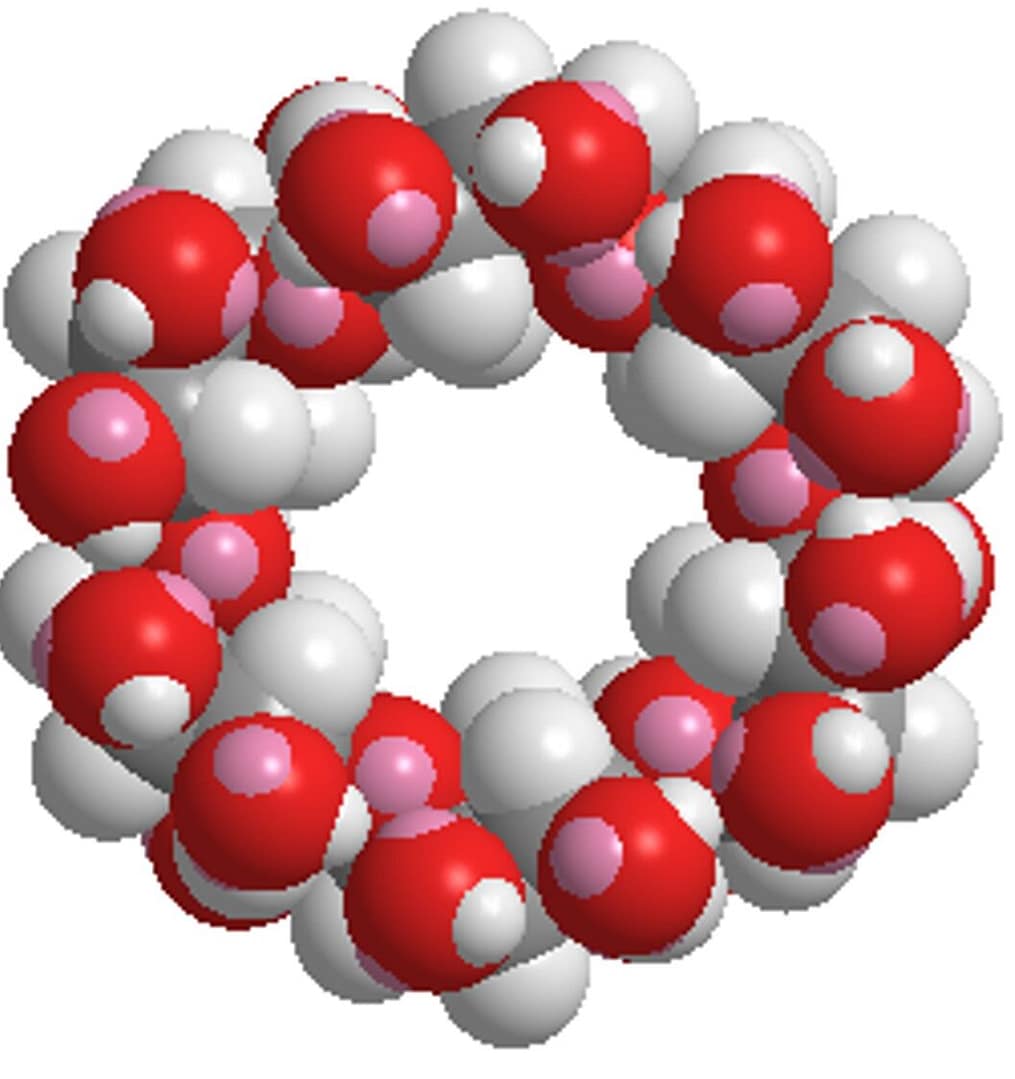
1. α-シクロデキストリン(α-Cyclodextrin)
日本語: デンプン由来の環状オリゴ糖で、中央の空洞へ疎水性分子を取り込めます。本研究では、光感受性物質を水系ナノファイバーへ保持する役割を担います。
English: A starch-derived cyclic oligosaccharide whose cavity can host hydrophobic molecules and retain a photosensitizer within hydrophilic nanofibers.
2. 電界紡糸ナノファイバー(Electrospun Nanofiber)
日本語: 高電圧を利用して高分子溶液を細い繊維へ加工した材料です。表面積が大きく柔軟なため、薬剤を保持する創傷被覆材として研究されています。
English: Fine polymer fibers produced using a high electric field, offering a large surface area and flexible matrices for wound dressings.
3. 光線力学的抗菌作用(Antimicrobial Photodynamic Action)
日本語: 光感受性物質へ特定の光を当て、微生物へ損傷を与える反応種を発生させる方法です。局所的な抗菌技術として利用が検討されています。
English: A localized antimicrobial approach in which light activates a photosensitizer to generate reactive species that damage microorganisms.
4. 亜鉛フタロシアニン(Zinc Phthalocyanine)
日本語: 光を吸収して光線力学反応を起こす疎水性の光感受性物質です。水になじみにくいため、α-シクロデキストリンによる保持が利用されました。
English: A hydrophobic photosensitizer that absorbs light and drives photodynamic reactions, encapsulated here using α-cyclodextrin.
5. 創傷治癒(Wound Healing)
日本語: 炎症の調整、血管形成、コラーゲン産生、組織再生が段階的に進む修復過程です。感染の抑制と適切な治癒環境の両立が重要です。
English: A staged repair process involving inflammation control, angiogenesis, collagen deposition, and tissue regeneration.
日本語版
研究背景
傷の治療では、細菌感染を抑えながら、新しい血管や組織の形成を支える必要があります。抗菌薬は重要ですが、創傷部位へ有効成分を安定して保持し、必要な場所で作用させる材料設計も課題です。光感受性物質である亜鉛フタロシアニンは、光を受けると抗菌作用を示しますが、水になじみにくいため、そのままでは水系の創傷被覆材へ均一に組み込むことが難しい材料です。
今回の研究では、α-シクロデキストリンの分子空洞に亜鉛フタロシアニンを取り込み、デキストランとポリビニルアルコールからなる電界紡糸ナノファイバーへ組み込みました。抗菌と創傷治癒を一つの被覆材で支えることを目指した研究です。
研究内容
Photodynamic antimicrobial and wound healing dual activities of phthalocyanine-loaded dextran/polyvinyl alcohol/α-cyclodextrin electrospun nanofibers
- 親水性高分子であるポリビニルアルコールとデキストランから、電界紡糸法によってナノファイバーを作製しました。
- α-シクロデキストリンの空洞を利用し、疎水性の亜鉛フタロシアニンをファイバー内へ取り込みました。
- α-シクロデキストリンの配合割合を変えた複数の処方を比較しました。
- α-シクロデキストリンを最も多く含むZnPc NF4は、平均直径150 ± 31 nmの最も細い繊維を形成しました。
- ZnPc NF4は3時間で69.1%という最も速い放出挙動を示し、細胞・動物評価に使用されました。
- 緑膿菌を用いた試験では、光照射したZnPc NF4が、遊離亜鉛フタロシアニン溶液や対照群と比べて細菌を完全に除去しました。
- ラットの創傷モデルでは、15分間の光照射後に83.33%の治癒率を示しました。
- 組織観察、コラーゲン染色、複数の生体指標の評価から、血管形成の促進、コラーゲン沈着、炎症の低減が示されました。
- 抗菌作用と組織修復の二つを支える光応答型創傷被覆材としての可能性が示されました。
期待される応用
この研究は、α-シクロデキストリンが疎水性の光感受性物質を水系高分子材料へ組み込む分子容器として機能することを示しています。ナノファイバーは傷の表面へ密着しやすく、広い表面積から有効成分を放出できます。そこへ光線力学的抗菌作用を組み合わせることで、感染制御と創傷治癒を一つの材料で支える設計が可能になります。
将来は、感染リスクの高い創傷や、治癒が遅れやすい傷に対する局所被覆材への展開が考えられます。実用化には、皮膚への安全性、光の波長・強度・照射時間の最適化、繰り返し使用時の効果、異なる菌種や創傷条件での再現性、保存中の光感受性物質の安定性をさらに検証する必要があります。
English Version
α-Cyclodextrin Nanofibers for Light-Activated Antimicrobial Treatment and Wound Healing
Introduction
Effective wound care requires both infection control and support for tissue repair, including angiogenesis and collagen formation. Zinc phthalocyanine is a photosensitizer with antimicrobial activity under irradiation, but its hydrophobicity makes uniform incorporation into water-compatible wound materials difficult.
In the featured study, α-cyclodextrin cavities were used to accommodate zinc phthalocyanine within electrospun nanofibers composed of dextran and polyvinyl alcohol. The resulting dressing was designed to combine photodynamic antimicrobial activity with support for wound healing.
Research Highlights
Photodynamic antimicrobial and wound healing dual activities of phthalocyanine-loaded dextran/polyvinyl alcohol/α-cyclodextrin electrospun nanofibers
- Polyvinyl alcohol and dextran were processed into nanofibers through electrospinning.
- α-Cyclodextrin cavities were used to incorporate hydrophobic zinc phthalocyanine into the fibrous matrix.
- Multiple formulations containing different proportions of α-cyclodextrin were compared.
- The formulation with the highest α-cyclodextrin content, ZnPc NF4, produced the smallest fibers, with an average diameter of 150 ± 31 nm.
- ZnPc NF4 also showed the fastest release profile, reaching 69.1% over three hours, and was selected for biological evaluation.
- In a Pseudomonas aeruginosa experiment, irradiated ZnPc NF4 achieved complete bacterial eradication compared with free zinc phthalocyanine solution and control groups.
- In a rat wound model, the selected formulation achieved an 83.33% healing percentage after 15 minutes of irradiation.
- Tissue analysis, collagen staining, and biomarker measurements supported enhanced angiogenesis, increased collagen deposition, and reduced inflammation.
- The findings indicate potential for a light-responsive dressing combining antimicrobial action with tissue-repair support.
Overall Significance
The study demonstrates how α-cyclodextrin can serve as a molecular host for incorporating a hydrophobic photosensitizer into a hydrophilic polymer material. Electrospun nanofibers can conform to a wound surface and provide a large area for release. Their combination with photodynamic activity creates a single-material strategy for both infection control and wound repair.
Potential applications include local dressings for wounds with elevated infection risk or delayed healing. Further development should evaluate skin safety, optimal irradiation wavelength, intensity and duration, repeat-treatment performance, reproducibility across different microorganisms and wound conditions, and photosensitizer stability during storage.
References / 文献
- Farag, M.; Gaber, S. A. A.; Fadeel, D. A.; Fadel, M. Photodynamic antimicrobial and wound healing dual activities of phthalocyanine-loaded dextran/polyvinyl alcohol/α-cyclodextrin electrospun nanofibers. Journal of Drug Delivery Science and Technology 127(1) (2027), 108881. DOI: 10.1016/j.jddst.2026.108881