シクロデキストリンポリマーが拓く環境・医療材料の可能性
キーワード / Keywords
-
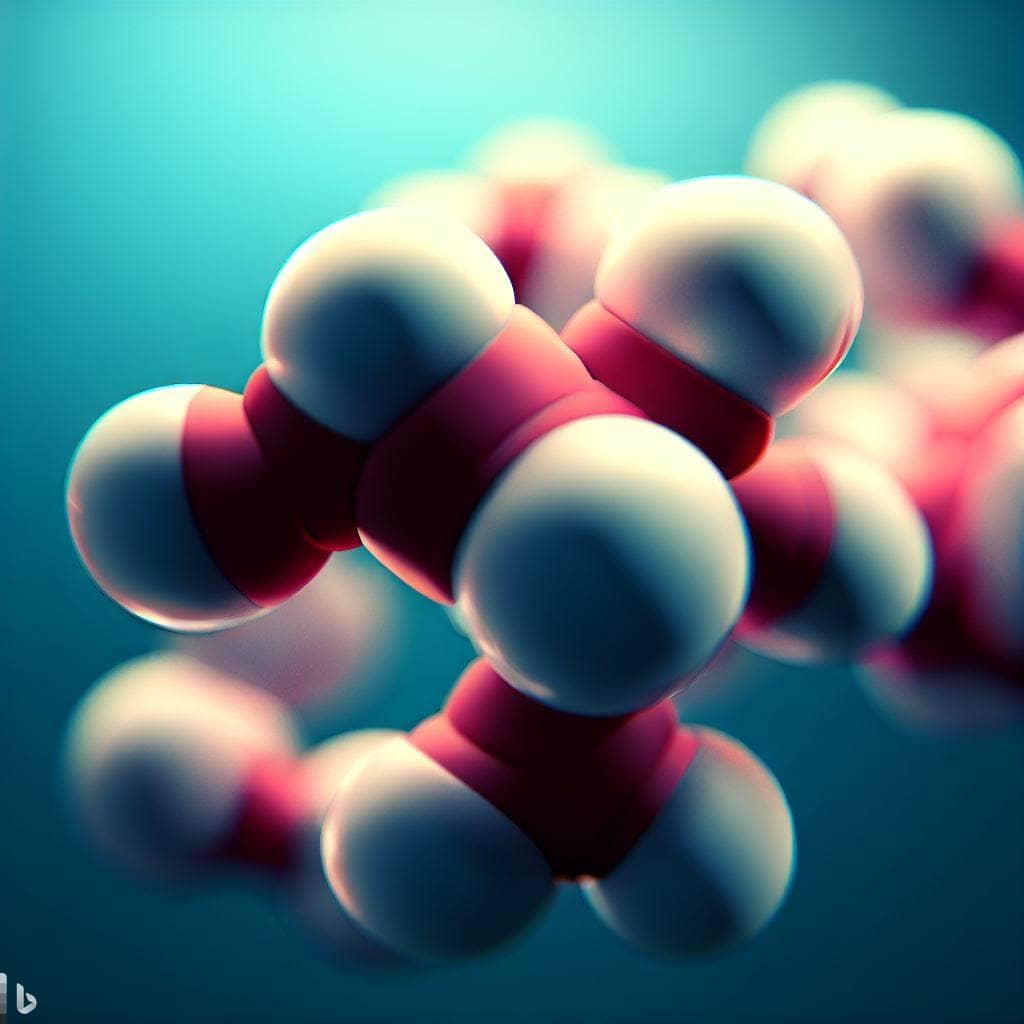
シクロデキストリン / Cyclodextrin
日本語: ブドウ糖が輪のようにつながった分子です。外側は水になじみやすく、内側には特定の分子を取り込める空間があり、分離、吸着、薬物送達などに利用されます。
English: Cyclodextrin is a ring-shaped molecule made from glucose units. Its water-friendly exterior and inner cavity can capture selected guest molecules, supporting separation, adsorption, and drug-delivery applications. -
ホスト・ゲスト相互作用 / Host–Guest Interaction
日本語: シクロデキストリンを「入れ物」、取り込まれる分子を「中身」とみなす分子間の結びつきです。分子の大きさや性質の違いを利用して、選択的な捕捉や放出を可能にします。
English: Host–guest interaction describes molecular recognition in which cyclodextrin acts as a host and another molecule as its guest. Differences in size and chemistry enable selective capture and controlled release. -
シクロデキストリンポリマー / Cyclodextrin Polymer
日本語: 多数のシクロデキストリンを高分子構造へ組み込んだ材料です。分子を取り込む空間と加工しやすさを併せ持ち、水処理膜、吸着材、薬物放出材料などへ応用できます。
English: A cyclodextrin polymer incorporates many cyclodextrin units into a macromolecular structure. It combines molecular cavities with processability for use in water treatment, sorbents, and controlled-release materials. -
吸着・光触媒協働 / Adsorption–Photocatalysis Synergy
日本語: 汚染物質を材料表面へ集める吸着と、光エネルギーで分解する光触媒反応を組み合わせる考え方です。捕捉と分解を連続させ、処理を効率化します。
English: Adsorption–photocatalysis synergy combines the capture of pollutants on a material surface with light-driven chemical degradation, allowing contaminants to be concentrated and then broken down efficiently. -
制御放出 / Controlled Release
日本語: 薬物などの有効成分が材料から出る速さや量を調節する技術です。シクロデキストリンとの結合、ポリマー内の拡散、膨潤、分解などが放出挙動を左右します。
English: Controlled release regulates how quickly and how much of an active compound leaves a material. Cyclodextrin binding, diffusion, polymer swelling, and erosion can all determine the release profile.
日本語版
はじめに
シクロデキストリンは、内側に小さな分子を取り込める環状の分子です。これをポリマーへ組み込むと、分子を見分けて捕まえる機能と、膜、粒子、ゲルなどへ加工できる高分子材料の特長を組み合わせられます。
ここでは、シクロデキストリンポリマーの多様性を示す3件の研究を紹介します。対象は、水の浄化と太陽電池への応用を整理した研究、繊維染料を吸着して光分解する複合材料、そしてポリマーフィルムから有効成分が放出される過程を表す理論モデルです。
1. 水の浄化からペロブスカイト太陽電池まで
論文: “Cyclodextrins and Cyclodextrin-Based Polymers and Their Supramolecular Host-Guest Interactions for Sustainable Water Purification and Perovskite Solar Cell Devices: A Review”
-
何を明らかにしようとしたか
シクロデキストリンとそのポリマーが持つ分子認識機能を、水の浄化とペロブスカイト太陽電池という二つの分野で整理した総説です。 -
注目した仕組み
シクロデキストリンの疎水性の空洞は、性質の合う分子を内部へ取り込みます。外側の官能基は、別の汚染物質を選択的に吸着したり、金属イオンと結びついたりできます。 -
示された応用
有機物、無機物、微生物由来の汚染物質を水から取り除く材料としての利用に加え、ペロブスカイト太陽電池の安定性や性能を支える材料としての可能性がまとめられています。 -
研究の意義
一つの材料設計を、環境浄化とエネルギーデバイスの両方へ展開できる点が特徴です。分子を選んで取り込む働きが、分離だけでなく材料界面の制御にも役立つことを示しています。
2. 染料を捕まえて光で分解する複合材料
論文: “β-cyclodextrin polymer-grafted Ag/Bi2O3 biochar schottky heterojunction for relay adsorption-photocatalytic removal of textile dye”
-
何を明らかにしようとしたか
繊維染料をまず吸着し、続いて光触媒反応で分解する一体型材料をつくり、複雑な水環境でも働く処理法を検討しました。 -
材料と方法
β-シクロデキストリンポリマー、銀、酸化ビスマス、バイオ炭を組み合わせました。材料評価、光照射試験、分子動力学計算、反応種の解析などを用いて、捕捉から分解までの仕組みを調べています。 -
何がわかったか
β-シクロデキストリンポリマーの親水性層が水中の染料を固液界面で捕捉し、内部の複合骨格へ受け渡す「リレー吸着」が示されました。模擬太陽光下では、複数の染料および混合染料を30分以内に83.87~95.28%除去し、pH 4~11や共存イオンのある条件でも高い活性を維持しました。 -
研究の意義
汚染分子を集める機能と、光で分解する機能を近接させた点に価値があります。銀と酸化ビスマスの接合は電荷分離を助け、染料は段階的な構造変化を経て分解されました。
3. ポリマーフィルムからの放出を統一的に表すモデル
論文: “Modeling Bioactive Release from Cyclodextrin Complex-Loaded Polymeric Films: A Unified Theoretical Framework Integrating Host-Guest Thermodynamics, Partitioning, and Multi-Mechanism Transport”
-
何を明らかにしようとしたか
シクロデキストリン包接複合体を含むポリマーフィルムから、有効成分がどのように放出されるかを一つの理論体系で説明することを目指しました。 -
モデルの特徴
ホスト・ゲスト間の平衡に加え、拡散、ポリマーの膨潤、材料の侵食を統合したCPFIRモデルを構築しました。各機構を共通単位の速度として扱い、放出への寄与を比較できるようにしています。 -
何がわかったか
公開済みの二つの実験系へ適用したところ、放出挙動を高い一致度で再現しました。一方、放出データだけから各機構の寄与を一意に決められないことも示され、必要な値を事前に求める論理的な重要性が明確になりました。 -
研究の意義
実験前に、どの放出機構が優勢になりやすいか、曲線がどのような形になるかを考える手掛かりを与えます。薬物送達材料や機能性フィルムの設計を、試行錯誤だけに頼らず進めるための枠組みです。
研究全体から見えること
これらの研究から、シクロデキストリンポリマーは単なる吸着材ではなく、分子を選択的に扱うための「機能性プラットフォーム」であることがわかります。
- 水処理や太陽電池では、分子認識と界面制御を利用できます。
- 染料処理では、捕捉した汚染物質を光触媒へ受け渡し、分解へつなげられます。
- 制御放出では、包接、拡散、膨潤、侵食の関係を理論的に整理できます。
今後は、シクロデキストリンの空洞、外側の官能基、ポリマー骨格、他の無機・炭素材料との組み合わせを一体として設計することが重要になります。用途に応じて「何を捕まえるか」「どこへ運ぶか」「いつ放すか」を調節できることが、この材料群の大きな可能性です。
Cyclodextrin Polymers as Versatile Platforms for Environmental and Biomedical Materials
English Version
Introduction
Cyclodextrins are ring-shaped molecules with cavities capable of accommodating small guest molecules. Incorporating them into polymers combines molecular recognition with the processability of macromolecular materials, enabling films, particles, gels, and composite structures.
The three studies introduced here illustrate this versatility through sustainable water purification and perovskite solar cells, adsorption–photocatalytic treatment of textile dyes, and theoretical modeling of active-compound release from polymeric films.
1. From Water Purification to Perovskite Solar Cells
Paper: “Cyclodextrins and Cyclodextrin-Based Polymers and Their Supramolecular Host-Guest Interactions for Sustainable Water Purification and Perovskite Solar Cell Devices: A Review”
-
Research question
This review examines how the molecular-recognition properties of cyclodextrins and cyclodextrin-based polymers can be used in water purification and perovskite solar-cell devices. -
Key mechanism
The hydrophobic cavities of cyclodextrins can accommodate compatible guest molecules. Functional groups on the exterior can selectively adsorb other species and contribute to interactions such as metal-ion chelation. -
Applications described
The paper discusses the removal of inorganic, organic, and microbial contaminants from water, as well as roles for cyclodextrin-based materials in improving the stability and performance of perovskite solar cells. -
Why it matters
The same molecular-recognition concept can support both environmental separation and energy-device engineering. Selective molecular capture can be useful not only for adsorption but also for controlling material interfaces.
2. Capturing Textile Dyes and Degrading Them with Light
Paper: “β-cyclodextrin polymer-grafted Ag/Bi2O3 biochar schottky heterojunction for relay adsorption-photocatalytic removal of textile dye”
-
Research question
The study investigates an integrated material that first adsorbs textile dyes and then degrades them photocatalytically, including under chemically complex water conditions. -
Materials and methods
A β-cyclodextrin polymer was combined with silver, bismuth oxide, and biochar. Material characterization, light-driven removal tests, molecular-dynamics simulations, and reactive-species analyses were used to examine the process. -
Main findings
The hydrophilic cyclodextrin-polymer layer captured dye molecules at the solid–liquid interface and transferred them to the inner composite framework through a relay-adsorption mechanism. Under simulated sunlight, the material removed several individual and mixed dyes with efficiencies of 83.87–95.28% within 30 minutes, while retaining high activity across pH 4–11 and in the presence of coexisting ions. -
Why it matters
Bringing pollutant capture and light-driven degradation together can make treatment more effective. The silver/bismuth-oxide junction promoted charge separation, while the dyes underwent progressive structural breakdown.
3. A Unified Model for Release from Polymeric Films
Paper: “Modeling Bioactive Release from Cyclodextrin Complex-Loaded Polymeric Films: A Unified Theoretical Framework Integrating Host-Guest Thermodynamics, Partitioning, and Multi-Mechanism Transport”
-
Research question
The work seeks to describe, within one theoretical framework, how active compounds are released from polymer films containing cyclodextrin inclusion complexes. -
Model design
The CPFIR model integrates host–guest equilibrium with diffusion, polymer swelling, and erosion. The contributing mechanisms are expressed as rates with a common unit, allowing their relative roles to be compared. -
Main findings
Retrospective application to two published experimental systems reproduced the reported release behavior with high agreement. The analysis also showed that release data alone cannot uniquely determine the contribution of each mechanism, making independent prior determination of key values logically important. -
Why it matters
The framework helps anticipate the balance of release mechanisms and the qualitative shape of a release profile before measurements are made. It can support more rational design of drug-delivery materials and functional polymer films.
Overall Significance
These studies show that cyclodextrin polymers are more than conventional adsorbents. They can serve as functional platforms for handling molecules selectively.
- In water treatment and solar cells, they provide molecular recognition and interface control.
- In dye treatment, they can transfer captured pollutants toward a photocatalytic region for degradation.
- In controlled release, their host–guest behavior can be considered together with diffusion, swelling, and erosion.
Future material design can coordinate the cyclodextrin cavity, exterior functional groups, polymer framework, and accompanying inorganic or carbon materials. The ability to tune what is captured, where it is transferred, and when it is released is a central strength of this material family.
文献情報 / References
- Taka, A. L.; Samaei, S. H.; Xue, J.; Maheshwari, V. “Cyclodextrins and Cyclodextrin-Based Polymers and Their Supramolecular Host-Guest Interactions for Sustainable Water Purification and Perovskite Solar Cell Devices: A Review.” ChemPlusChem, 91(9), e70247, 2026. DOI: 10.1002/cplu.70247.
- Liang, P.; Liu, Z.; Zhu, L.; Jiao, J.; Yuan, L.; Wu, Z. “β-cyclodextrin polymer-grafted Ag/Bi2O3 biochar schottky heterojunction for relay adsorption-photocatalytic removal of textile dye.” Colloids and Surfaces A: Physicochemical and Engineering Aspects, 752, 141794, 2027. DOI: 10.1016/j.colsurfa.2026.141794.
- Supaphol, P. “Modeling Bioactive Release from Cyclodextrin Complex-Loaded Polymeric Films: A Unified Theoretical Framework Integrating Host-Guest Thermodynamics, Partitioning, and Multi-Mechanism Transport.” AAPS PharmSciTech, 27(7), 306, 2026. DOI: 10.1208/s12249-026-03541-0.